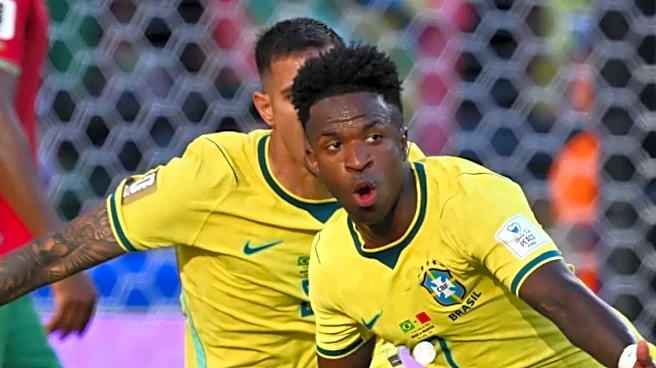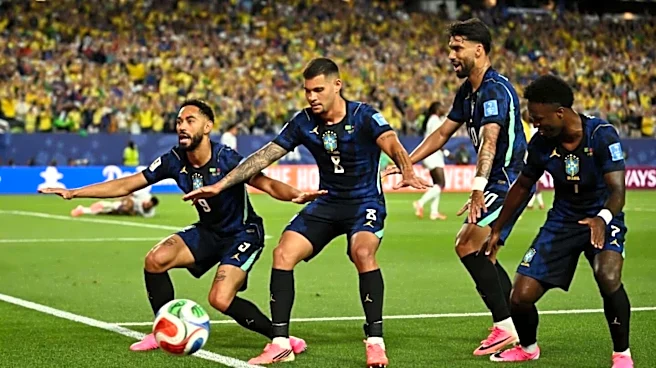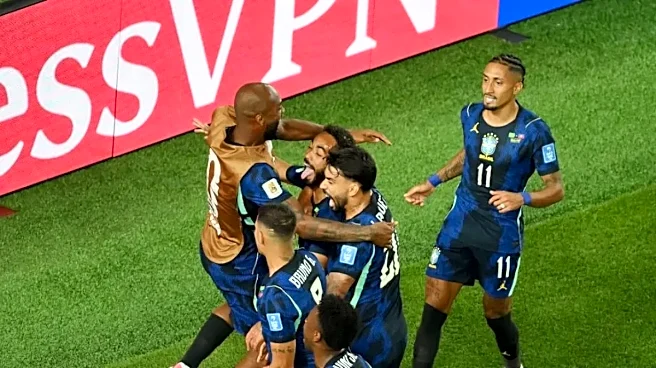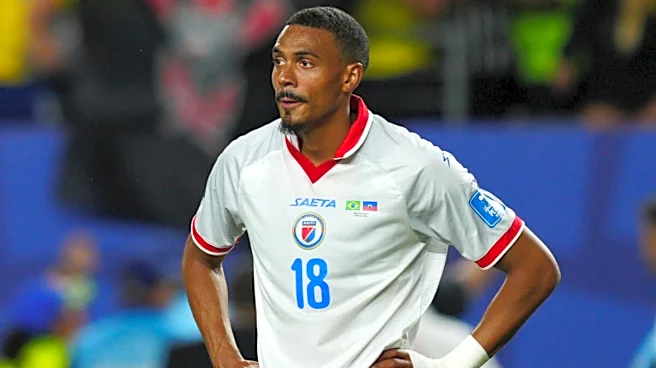


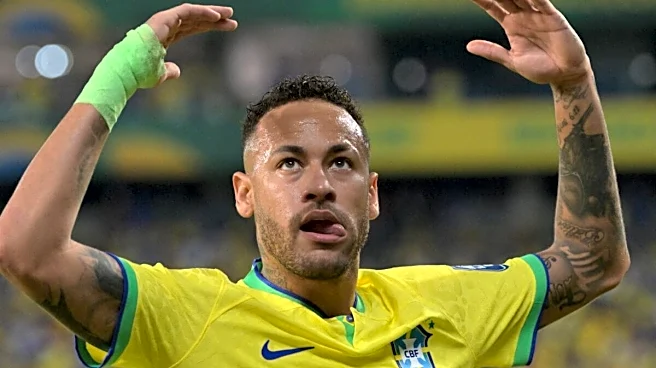



Haiti’s inspiring return to the World Cup is officially over.
A 3-0 defeat to Brazil on Friday night made the Caribbean nation the first team mathematically eliminated from the 2026 FIFA World Cup, ending a fairytale run.
The Fairytale Scenario That Wasn’t
At first glance, Haiti still appeared to have a slim path to the Round of 32.
With one group game remaining, a perfect storm of results could theoretically have seen them defeat Morocco, Brazil beat Scotland, and Haiti overturn the goal-difference gap to leapfrog their rivals.
It was the sort of unlikely scenario football romantics love to dream about.
But reality had other plans.
Even if all those results had fallen Haiti’s way, they would still have been eliminated because of FIFA’s newly introduced
head-to-head tiebreak rule.
FIFA’s New Rule Explained
For the first time in World Cup history, FIFA is using head-to-head results as the primary tiebreaker between teams level on points, replacing goal difference as the first separator.
That means if two teams finish tied on points, the result of the match between them takes precedence over their overall goal difference.
The change aligns FIFA with UEFA competitions, where head-to-head records have long been used to rank teams.
Supporters of the move argue it rewards direct performance between teams and prevents freak scorelines from having an outsized impact. Critics, however, believe overall goal difference provides a fairer reflection of a team’s entire group-stage campaign.
The rule was first tested at the 2025 Club World Cup and is now being applied on football’s biggest stage.
A Historic Return
Despite the disappointment, Haiti’s campaign remains a landmark achievement.
Playing at the World Cup for the first time since 1974, Haiti earned their place by finishing ahead of Honduras, Costa Rica and Nicaragua in qualifying. Their return to the global stage boosted the nation’s profile and helped improve their standing in the FIFA rankings.