
/images/ppid_59c68470-image-17799875350212177.webp)


Celebrity nutritionist Rujuta Diwekar has built a loyal following by encouraging people to embrace sustainable habits rather than chase wellness fads. But this time, it isn’t her advice on food or fitness that’s capturing attention.
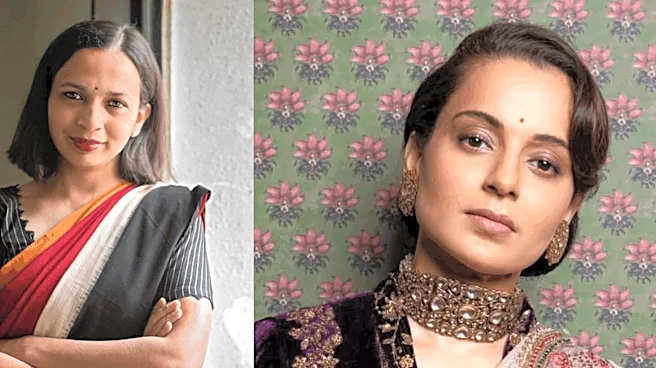
A recent post by Diwekar outlining three rules for women considering marriage has sparked widespread discussion online, with actor and politician Kangana Ranaut expressing her support for the message. The advice, centred on financial independence, career stability and mindful spending, has struck a chord with many women navigating modern relationships and societal expectations.
The Three Rules That Started The Conversation
In the now-viral post, Diwekar shared three principles she believes women should consider before
getting married.
The first rule is simple yet significant: marry only after establishing a career. According to the nutritionist, women should first understand their strengths, develop professional confidence and become capable of supporting themselves financially before entering a lifelong partnership.
The second piece of advice focuses on financial preparedness. Diwekar suggested that women who plan to take a career break after marriage should ideally have savings that can support them for at least three years. Her reasoning is that financial security offers freedom, confidence and protection during major life transitions.
The third rule challenges the culture of extravagant weddings. Rather than spending beyond one’s means to host a lavish celebration, she recommended keeping wedding expenses within three months’ salary. The idea is to prioritise long-term financial well-being over social pressure and performative displays of wealth.
Why Kangana Ranaut Agreed
The post gained additional traction after Kangana Ranaut reacted positively to it on social media.
While the actor did not elaborate extensively on her views, her support wasn’t entirely surprising. Over the years, Kangana has frequently spoken about the importance of self-reliance, ambition and financial independence for women. Much of her public commentary has centred on encouraging women to build their own identities and make decisions from a position of strength rather than dependence.
For many followers, her endorsement reinforced the larger message behind Diwekar’s advice: that marriage should complement a woman’s life, not define it.
A Shift In How Women View Marriage
The popularity of the post reflects changing attitudes towards marriage among younger generations.
Traditionally, discussions around marriage often revolved around age, family expectations and social timelines. Increasingly, however, women are prioritising career goals, financial security and emotional readiness before making long-term commitments.
The emphasis on savings and professional stability particularly resonated with many social media users, who argued that financial independence creates greater freedom within relationships and reduces vulnerability during unexpected life events.
At the same time, Diwekar’s comments on wedding spending tapped into growing conversations around the pressure to host extravagant celebrations. In an era where weddings are often designed for social media as much as for family and friends, her advice to spend mindfully felt refreshingly practical.
Marriage As A Choice, Not A Deadline
At its core, Diwekar’s message isn’t about delaying marriage or discouraging it. Rather, it is about approaching the institution from a place of readiness rather than obligation.
Her three rules ultimately advocate for something many women are increasingly prioritising: the ability to make life choices on their own terms.
That may explain why the advice has travelled so widely online. Beyond discussions about careers, savings and wedding budgets lies a larger conversation about autonomy, self-worth and the freedom to define success independently of traditional milestones.
Whether one agrees with every aspect of Diwekar’s advice or not, the response it has generated suggests that conversations around marriage in India are evolving. For a growing number of women, the question is no longer when to get married, but how to do so without compromising their independence, ambitions or financial security.

/images/ppid_a911dc6a-image-178022959030318989.webp)




/images/ppid_59c68470-image-178003503172663988.webp)

/images/ppid_a911dc6a-image-178001983122582886.webp)