
/images/ppid_59c68470-image-178641255005533838.webp)
/images/ppid_59c68470-image-178626503039158096.webp)
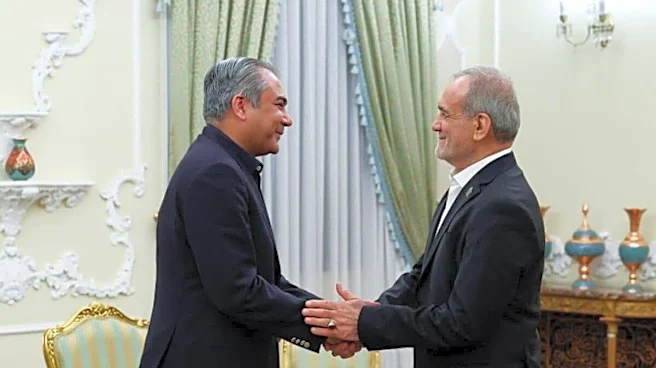
Pakistan has stepped up its diplomatic efforts to mediate between Iran and the United States, with interior minister Mohsin Naqvi holding high-level meetings in Tehran amid renewed efforts to resolve the standoff over the Strait of Hormuz.
Naqvi met Iranian president Masoud Pezeshkian and foreign minister Abbas Araghchi during his visit, as Islamabad sought to advance discussions on regional stability, the reopening of the strategic waterway and the implementation of the Islamabad Memorandum of Understanding (MoU) between Washington and Tehran. Pakistani officials have previously said Islamabad remains committed to facilitating dialogue between the two sides.
According to a top diplomatic source, Naqvi carried messages from the United States and
Pakistan’s Field Marshal Asim Munir concerning the reopening of the Strait of Hormuz. He also sought to advance talks linked to the Islamabad MoU.
What Did Naqvi Discuss With Pezeshkian?
Naqvi’s meeting with Pezeshkian comes as Pakistan attempts to keep diplomatic channels open between Tehran and Washington.
The Pakistani minister is understood to have discussed regional stability and the prospects of further dialogue. His visit follows earlier Pakistani mediation efforts that contributed to the Islamabad MoU, which was signed in June as a framework for ending the US-Iran conflict and extending a ceasefire. Pakistan’s leadership credited Prime Minister Shehbaz Sharif, Foreign Minister Ishaq Dar, Field Marshal Asim Munir and Naqvi with helping bring the two sides to the negotiating table.
Iran has also indicated that it remains open to Pakistan’s mediation efforts. In July, Iranian Interior Minister Eskandar Momeni visited Islamabad and met Pakistani leaders, with discussions focusing on regional security and continued efforts to mediate between Washington and Tehran.
The Strait Of Hormuz At The Centre
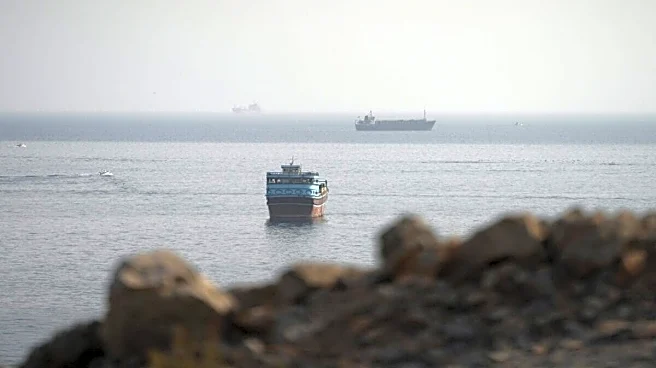
The most immediate issue in Naqvi’s Tehran talks is the Strait of Hormuz, one of the world’s most important energy corridors.
According to the diplomatic source, Naqvi conveyed messages from Washington and Munir regarding reopening the waterway and requested progress on the Islamabad MoU.
The issue remains complicated. Iran’s top security official has said the Strait will not reopen unless the United States meets Tehran’s conditions, highlighting the gap that still exists between the two sides.
Pakistan’s interest is particularly direct. Any prolonged disruption around Hormuz threatens regional trade and energy supplies, while also creating economic and security pressures for countries across South Asia and the Gulf.
Pakistan’s Balancing Act
Naqvi’s Tehran visit also highlights the delicate balancing act Islamabad is attempting.
Pakistan has deepened defence and strategic ties with Saudi Arabia, while maintaining geographical, economic and security links with neighbouring Iran. Islamabad therefore has an interest in preventing the Iran-US confrontation from widening.
According to the diplomatic source cited in the inputs, Naqvi assured Iranian officials that Pakistan would not act against Iran under any circumstances.
That message is particularly significant after Pakistan recently entered a joint defence arrangement with Saudi Arabia. Naqvi also briefed Pezeshkian on the Mecca Joint Defence Agreement, according to the source.
The reassurance appears aimed at addressing any concerns in Tehran about Pakistan’s growing security relationship with Saudi Arabia.
Why The Islamabad MoU Matters
Pakistan’s diplomatic role gained prominence after Islamabad helped facilitate the US-Iran agreement in June. The Islamabad MoU was signed electronically by the two sides, with Sharif describing it as a commitment to a diplomatic resolution of the conflict.
Pakistan has since sought to keep the channel alive.
In July, Iranian officials signalled that Tehran remained open to Islamabad’s mediation efforts, even as tensions persisted and the implementation of the agreement faced challenges.
Naqvi’s latest visit therefore represents an attempt to build on that diplomatic opening rather than a completely new mediation initiative.
Where Does Asim Munir Fit In?
The involvement of Munir adds another layer to Pakistan’s mediation effort. Munir had previously travelled to Tehran for talks with Iranian leaders as Islamabad tried to bridge differences between Washington and Tehran. Pakistan’s military media wing described those discussions as making “encouraging progress”.
Naqvi’s reported delivery of Munir’s message on Hormuz suggests that Pakistan’s diplomatic and military leadership are coordinating closely on the Iran-US track. It also reflects the unusually prominent role Pakistan’s security establishment has assumed in the country’s regional diplomacy.
Why This Matters For Pakistan
For Islamabad, keeping the Iran-US dialogue alive serves several interests.
First, it helps prevent a wider regional conflict on Pakistan’s western flank. Second, a reopening of Hormuz would reduce pressure on global energy and shipping markets. Third, successful mediation would strengthen Pakistan’s diplomatic standing at a time when Islamabad is seeking a larger regional role.
Pakistan has already presented its involvement in the Islamabad MoU as evidence that it can act as a bridge between countries that do not have direct trust in each other. President Asif Ali Zardari credited Islamabad with playing a “balanced and constructive role” during the crisis and said Pakistan would continue supporting dialogue.
/images/ppid_59c68470-image-178652752082421533.webp)

/images/ppid_59c68470-image-178636252844019920.webp)