
/images/ppid_59c68470-image-178782252994111912.webp)
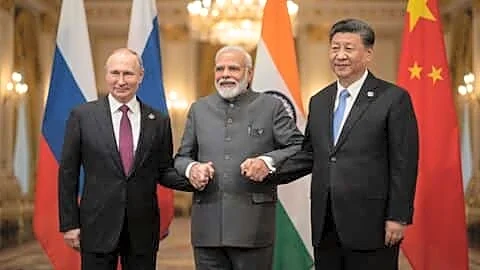
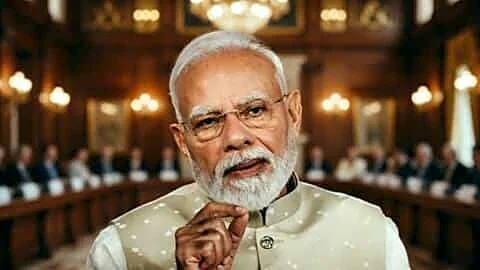
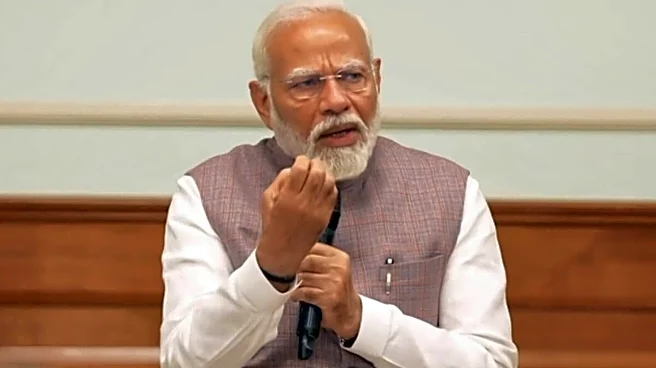
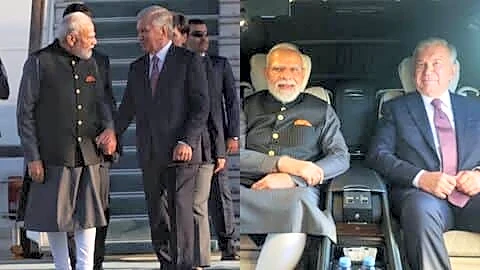
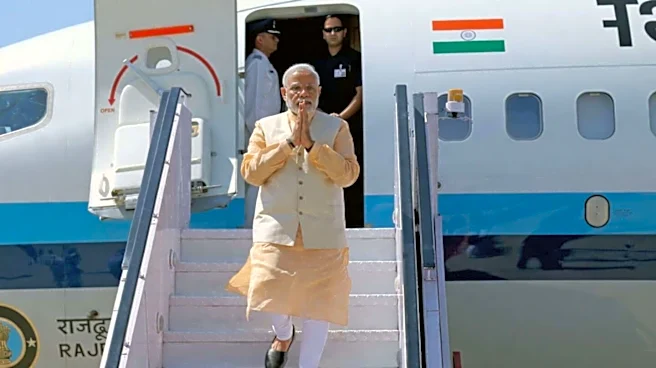
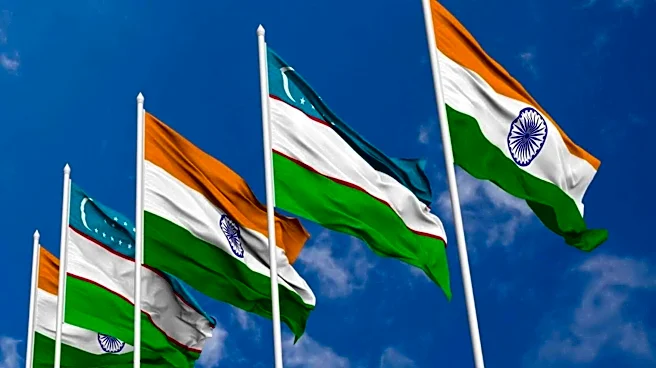
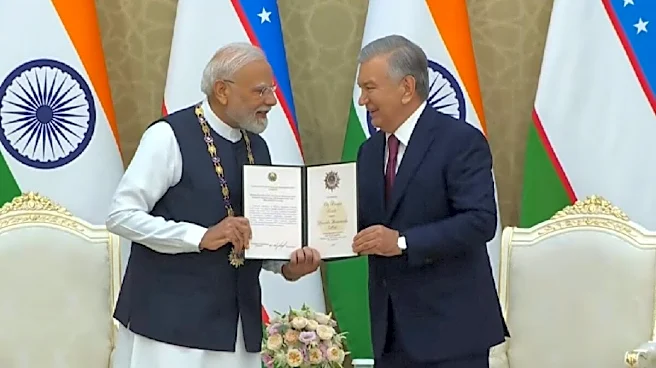
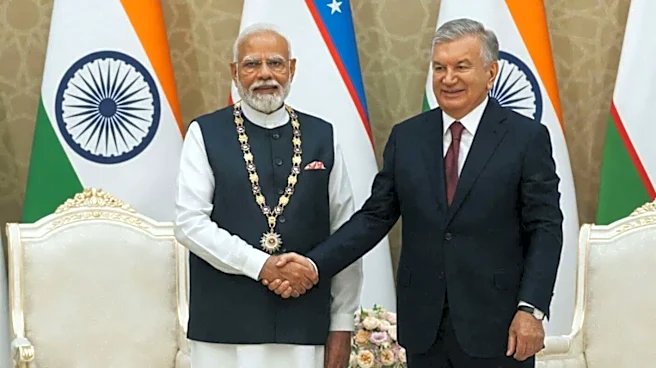
Prime Minister Narendra Modi on Sunday described peace, progress and prosperity as the broad pillars binding India and Uzbekistan, as the two countries elevated their relationship to a Comprehensive Strategic Partnership and announced a long-term arrangement for uranium supplies to India.
Addressing a joint press conference with Uzbek President Shavkat Mirziyoyev in Tashkent, Modi said the upgraded partnership would focus on faster implementation and concrete results across strategic and economic areas.
“A stronger India-Uzbekistan partnership will be a powerful force for peace, progress and prosperity in Central Asia,” Modi said.
The Prime Minister also announced that India and Uzbekistan would establish a long-term arrangement for the supply
of uranium, adding a major nuclear-energy component to the expanding relationship.
“Digital public infrastructure, AI, critical minerals, clean energy, space and nuclear energy cooperation is making our relations future ready,” Modi said.
Uranium, Nuclear Energy To Power New Partnership
The long-term uranium arrangement is among the most significant outcomes of Modi’s visit as India seeks to secure reliable nuclear fuel supplies and expand its nuclear-energy capacity.
Uzbekistan is a major uranium producer, and India has previously sourced uranium from the Central Asian country. The two sides had signed a long-term contract for uranium ore concentrate in 2019.
‘Peace’: Defence, Security And Counterterrorism
The first of Modi’s three themes was peace, with the Prime Minister highlighting defence and security cooperation between the two countries. India and Uzbekistan will work towards stronger direct links between their defence industries, including co-production and co-development, Modi said.
He described defence and security cooperation as a reflection of the deep trust between the two countries.
“Terrorism, extremism and separatism are serious challenges for the entire region,” Modi said, adding that zero tolerance towards these threats would remain a shared commitment.
‘Progress’: $5 Billion Trade Target
Modi said bilateral trade between India and Uzbekistan had crossed $1 billion, with the two countries setting a target of taking it to $5 billion by 2030. He said New Delhi and Tashkent would work systematically on market access, connectivity, banking and payment mechanisms to achieve the target.
The two sides also want to expand infrastructure cooperation and explore opportunities in technology, agriculture, healthcare and other sectors. Modi highlighted Uzbekistan’s New Tashkent development and India’s GIFT City in Gujarat as examples of major projects where the two countries could exchange expertise.
“We should create a roadmap to fully realise their potential,” Modi said.
Critical Minerals, AI And Space
The Comprehensive Strategic Partnership will also cover several emerging strategic sectors. Modi specifically mentioned AI, critical minerals, clean energy, space and nuclear energy as areas that would make the bilateral relationship “future ready”.
Mirziyoyev said energy and critical minerals were among the sectors where the two countries had identified fresh opportunities. “We aim to advance cooperation in sectors such as energy, culture, critical minerals, pharmaceuticals, jewelry, and agriculture,” the Uzbek president said.
He said the two countries would prepare sector-specific roadmaps, with Indian teams travelling to Uzbekistan and Uzbek teams visiting India to define concrete objectives.
‘Prosperity’: Connecting Cities, States And People
Modi said the relationship should not remain limited to the two national capitals.
India and Uzbekistan will establish partnerships between cities and states to create direct links in urban management, industry, education, tourism and culture, he said.
The two countries are also seeking greater cooperation in agriculture and healthcare.
Modi said Uzbekistan’s horticulture expertise and India’s modern agricultural practices could complement each other and contribute to food security.
Tourism is another area where the two sides are looking to expand cooperation.
Mirziyoyev said Uzbekistan’s 30-day visa-free regime and efforts to promote direct flights would make travel between the two countries easier.
Strategic Partnership Gets New Direction
Modi said the two countries’ strategic partnership had completed 15 years and that the decision to elevate it to a Comprehensive Strategic Partnership represented a new stage in bilateral relations.
The Prime Minister stressed that the emphasis now would be on speed and concrete outcomes.
Mirziyoyev similarly said India and Uzbekistan would formulate a comprehensive roadmap for implementing the agreements reached during the visit.
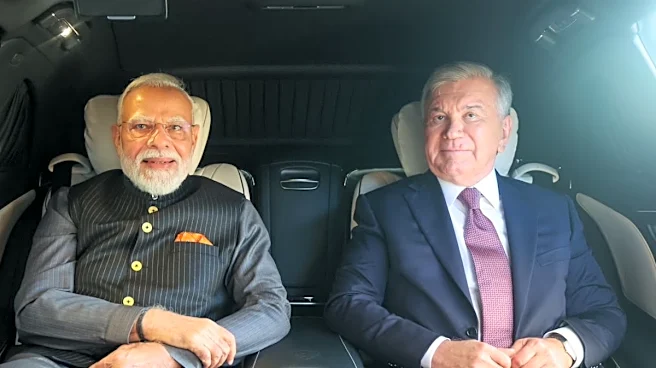
“The responsible officials will develop specific roadmaps, and my brother and I have agreed to personally oversee this process,” he said.
The Uzbek president also highlighted the historical and cultural links between the two countries, including the presence of four Indian universities in Uzbekistan and institutions such as the Lal Bahadur Shastri Centre for Indian Culture and Mahatma Gandhi Centre.
The two leaders also reaffirmed convergence on several international issues and their intention to support each other at platforms including the United Nations, BRICS, the Non-Aligned Movement and the Global South.
/images/ppid_59c68470-image-17880875259327602.webp)


/images/ppid_59c68470-image-178798504030269384.webp)