


Nepal is undertaking massive changes to boost tourism and its economy. In the last few days, the neighbouring country has made two major announcements that are important to know about if you are planning a trip there.
India and Nepal share a very friendly relationship, with open trade and tourism being readily accepted. They also allow goods to be bought and sold with the use of Indian currency in the country. So, to make things even easier, their first big change is related to the use of Indian currency in the country.
Indian currency use in Nepal
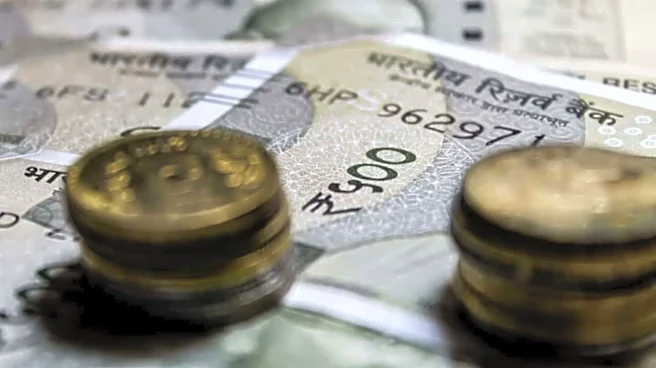
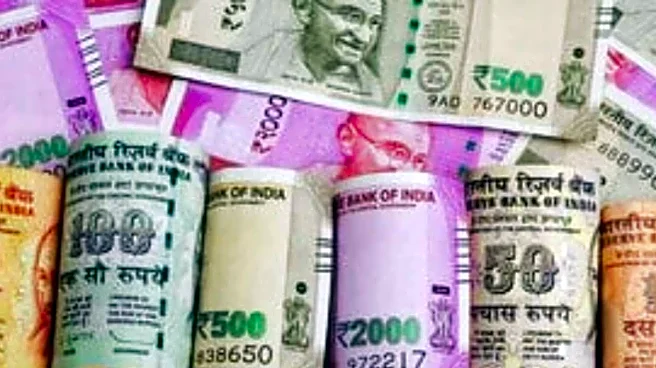
The central bank for Nepal recently shared an announcement with regard to the use of Indian currency in the country. According to a PTI report, Nepal has allowed Indian and Nepalese nationals to bring into or take out of the country Indian currency notes
of ₹200 and ₹500 denominations. This ends the nearly decade-long restriction under which only notes of up to ₹100 denominations were permitted. These restrictions were undertaken following the demonetisation that took place in India in 2016.
Demonetisation is the act of stripping a currency unit of its legal tender status, rendering it invalid for transactions. In India, the most notable instance occurred on November 8, 2016, when the Narendra Modi government cancelled all existing ₹500 and ₹1,000 Mahatma Gandhi Series banknotes, requiring citizens to deposit or exchange them. This was done to target the prevalence of black money in the country and unearth unaccounted wealth that existed outside of the formal tax system.
Further defining the laws related to the use of Indian currency in Nepal, the Nepal Rastra Bank (NRB), in a notice issued on Thursday, said Indian currency notes of Rs 500 and Rs 1,000 denominations issued before November 9, 2016, remain prohibited in Nepal.
However, Indian currency notes of Rs 200 and Rs 500 issued after November 9, 2016, can be carried, brought into or taken out of Nepal by Nepali or Indian citizens up to a limit of Rs 25,000 per person, in accordance with prevailing regulations, it said.
Nepal wants to do away with passports
The second important travel-related announcement comes for Nepalese residents who live, work or want to travel to India. The Nepalese government has reached out to the Indian government seeking their approval for the use of the National ID Card for cross-border travel.
ANI had reported that Nepal has plans to introduce a biometric National Identity (NID) card for its citizens, and they are seeking for it to be an officially recognised travel document for cross-border journeys. They want to add it alongside passports and citizenship certificates.
The Nepali government wants to gradually make the NID card mandatory for banking, land registry, passport issuance, and public services.
Under current rules, Nepali nationals travelling to India, especially by air, must produce either a valid passport or an original citizenship certificate.
For Indian citizens entering Nepal, they must present a passport or an original voter identification card featuring a photograph.
A report by The Kathmandu Post stated that the proposal has been routed through diplomatic channels to New Delhi, and Nepal’s Department of Immigration (DoI) is currently awaiting a formal response.
“We have already forwarded the proposal to the Indian side through the Ministry of Foreign Affairs,” said Ram Chandra Tiwari, director general at the DoI.
He added, “In the long run, we will have a single identity card replacing the citizenship certificate. It is verified, authentic and technology-friendly. That is why we have requested India to allow the use of the National Identity Card while travelling by both air and land routes.”


/images/ppid_a911dc6a-image-178514965623428076.webp)


/images/ppid_59c68470-image-178512262170838250.webp)