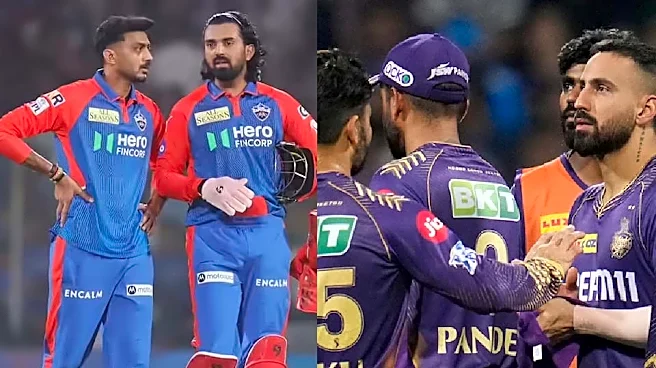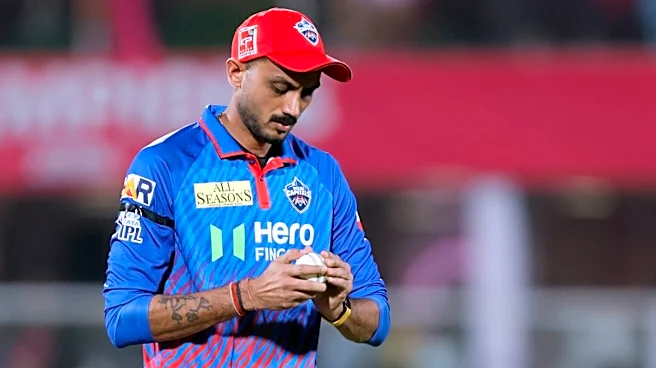



Axar Patel has scored 33 runs in IPL 2026. In the history of the league, only one regular IPL captain has scored fewer runs after at least seven innings in a season — the late Shane Warne in 2010. Unlike Axar, who’s one of India’s more premier all-rounder in T20s, Warne batted only out of necessity in the IPL.
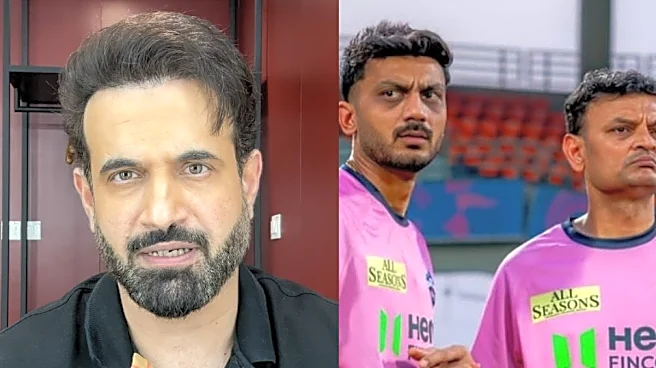
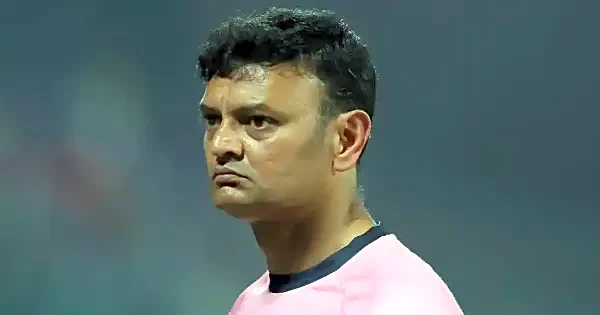
But when asked about this issue after the latest defeat against the Chennai Super Kings (CSK) at the Arun Jaitley Stadium on Tuesday (May 6), the Delhi Capitals (DC) head coach Hemang Badani pushed back. He put the responsibility on the team.
IPL 2026 | Schedule | Results | Orange Cap | Purple Cap
“I don’t think I would pinpoint Axar,” he said in response to News18 CricketNext’s question. “If you’re 76 all-out in a game, one game you have
got 265 on the board, and you don’t defend that, you lose one game by one run, you lose another game like this when we’re 60/5, it’s not on one person, it’s the side. It’s a team as a side. We’ll have to play better cricket. That’s the bare fact of life,” he added.
Badani’s not wrong. No other team has seen as wide a variety of bad, gut-wrenching defeats as DC this year.
To make it worse, all of them have come at home.
Somehow, when Punjab Kings came to the capital, DC served them with a belter of a track and opted to bat first on a clearly chase-friendly wicket. When Royal Challengers Bengaluru (RCB) came in, they got a pace-friendly conditions, perfect for Bhuvneshwar Kumar and Josh Hazlewood, and not at all for DC. Now, with Mitchell Starc back, CSK were made to feel at home with an old Chepauk-like sticky, spin-favoring track.
Ideally, DC would have loved PBKS to play at the CSK track and CSK at the RCB track. But even that road leads to a dead-end.
“We don’t have as much control over the surfaces as one would like to think,” Badani said. “There is a clear mandate from the BCCI to look after the surfaces and ensure that no home side gets an unfair advantage. So you play what is presented to you. Yes, it’s been an up-and-down curve for us to understand what we’ll get at our home ground. One game was 265; this one spun. But there’s little control any side has over the surface. Ideally, you want some consistency, but every side has to find a way to win.”
Asked where DC would go from here, Badani said ‘win four from four’, without offering any insight into the solutions he might have in mind.
On numbers, DC’s biggest problem lies in the powerplay. Below is the comparison of DC’s metrics and their difference from the average of the remaining nine teams in the league.
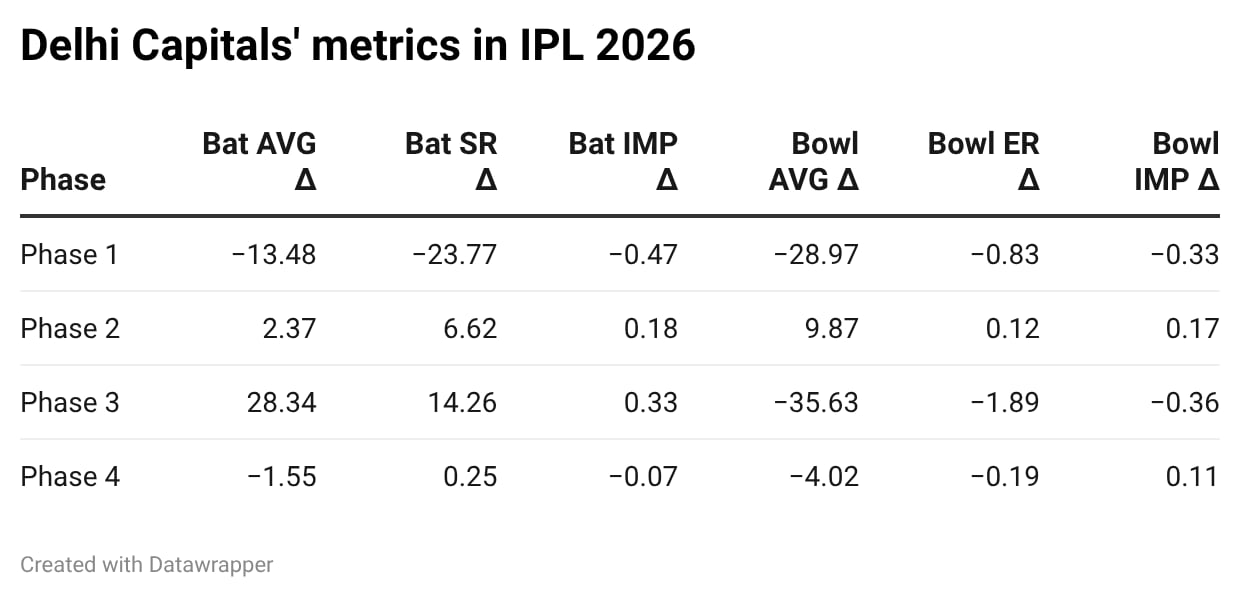
In the most important and decisive phase of the T20 game, DC are not scoring enough runs, losing too many wickets, not taking enough wickets, and not bowling with a good enough economy rate. It was obvious against CSK — DC were 37/2 in their powerplay, and the visitors were 44/1.
“In hindsight, it’s a lot easier for a side to field first for 20 overs and then understand what the surface will be when batting second – and that’s pretty much what happened. I thought the game was lost in the first 10 overs when we didn’t get enough runs. We were about 74 for 5. You don’t want to be 74 for 5, even if it’s a tough surface,” Badani said.
DC and Badani are adamant about the unpredictability of the pitches. But on Tuesday, DC had the choice to be in CSK’s position — Axar won the toss and could have opted to bowl first to understand the behavior.
Starc is one of the best powerplay bowlers in the world, so he can, like he did against RR, help DC there. When it comes to batting powerplays, DC have been aggressive with picking Pathum Nissanka.
The Sri Lankan had a decent season, and in the apparent worry of dropping him and making things worse, they have dropped David Miller from the middle-order. Given how well Sameer Rizvi and Ashutosh Sharma have stepped up so far, one can’t fault them on that either.
So, while they might seem tempting, too many playing 11 changes might not be the best way to go, either.
“Collectively, we need to play better,” Badani said. “On days when we bowl well, our batting doesn’t fire. On days when we bat well, our bowling lets us down a bit. At the end of the day, it’s about everyone turning up. I won’t single out any specific department that has done badly – it’s more that you want at least 60-70% of your players to perform on a given day. That has been missing. If we can achieve that in the next few games, we should be okay. I know it’s crunch time. Everyone in the dressing room and dugout recognises that. It’s as simple as ‘just perform’.”