
/images/ppid_a911dc6a-image-177069103696049438.webp)
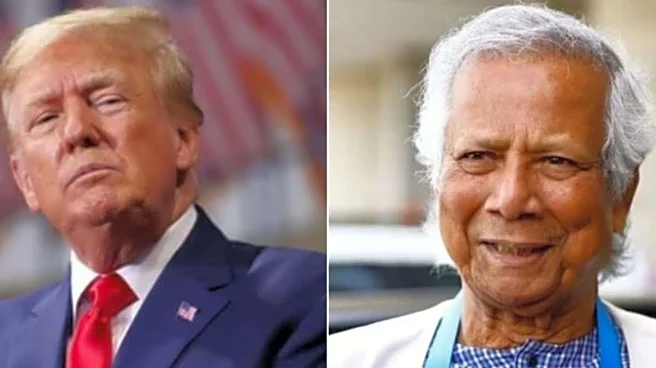
Just two days before Bangladesh’s general election, the United States reduced its tariff on Bangladeshi goods from 20 per cent to 19 per cent.
The United States and Bangladesh announced the trade deal on Monday. Under the agreement, President Donald Trump’s administration will lower the US “reciprocal” tariff on products from Bangladesh by one percentage point.
A joint statement released by the White House confirmed that the tariff has been reduced from 20 per cent to 19 per cent.
Exemptions for textiles and apparel goods
As part of the deal, Washington has committed to work towards duty exemptions for certain textiles and apparel goods.
President Trump will lower the country’s overall reciprocal tariff to 19 per cent, after previously cutting the rate from 37 per cent to 20 per cent last
year.
The deal includes a mechanism that allows certain textile merchandise to receive a full exemption from the levies, providing relief to Bangladesh’s apparel industry.
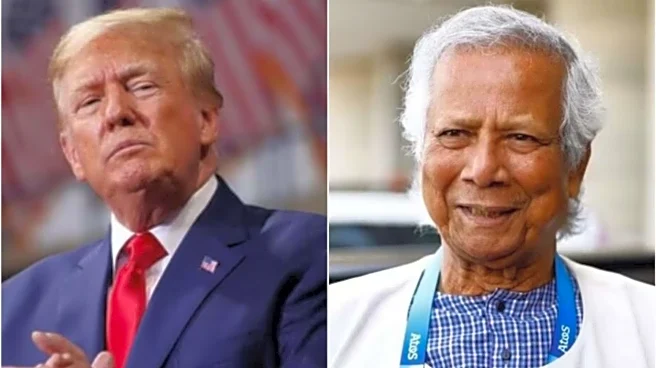
The mechanism will apply to certain textile and apparel goods from Bangladesh using US-produced cotton and man-made fibre, interim Bangladesh leader Muhammad Yunus said in a social media post.
Certain volumes of such imports will receive preferential treatment, linked to the quantity of US textile exports to Bangladesh.
Beyond textiles, the United States will also identify other products that may receive a zero per cent reciprocal tariff.
Market access
Under the agreement, Dhaka will provide preferential market access to US industrial and agricultural goods, including chemicals, medical devices, auto parts, energy and farm products.
Bangladesh has also committed to address some non-tariff barriers limiting US sales, including accepting vehicles that comply with US regulations and pharmaceuticals that have received US government authorisations.
The country also agreed to environmental, labour and intellectual property protections.
“The Agreement will provide U.S. and Bangladeshi exporters unprecedented access to each other’s respective markets,” the White House said.
The White House said it anticipates upcoming commercial deals between the two countries, including the procurement of aircraft, the purchase of $3.5 billion in US agricultural products, and a $15 billion energy purchase over the next 15 years.
The “reciprocal” duties were imposed by Trump last year to address trade imbalances or practices Washington deemed unfair.
Trump had initially set a tariff rate of 37 per cent on Bangladesh goods before reducing it to 20 per cent in August.
Textile and garment production makes up about 80 per cent of Bangladesh’s exports. The industry has been rebuilding after it was hit hard in a student-led revolution that toppled the government in 2024.
Bangladesh export
Bangladesh exported around $8.4 billion worth of goods to the United States in 2024, while its US imports amounted to $2.2 billion, according to the Bangladesh Bank and the National Board of Revenue.
US clothing companies sourcing products from Bangladesh include Fruit of the Loom, Levi Strauss and VF Corp, whose brands include Vans, Timberland and The North Face.
/images/ppid_a911dc6a-image-177078725708786992.webp)



/images/ppid_59c68470-image-177069761118650612.webp)