

Kanuma Festival 2026: Kanuma Panduga, a vibrant harvest festival celebrated in Andhra Pradesh and Telangana, is an integral part of the four-day Makar Sankranti festivities. Observed on January 15, 2026, the day is dedicated to honouring cattle and farm animals that play a vital role in agrarian life.
Rooted in agricultural and mythological traditions, Kanuma highlights gratitude toward nature, livestock, and sustainable farming practices. The festival closely resembles Mattu Pongal in Tamil Nadu, reflecting shared harvest traditions across southern India.
Date and Timing: When Is Kanuma 2026?
In 2026, Kanuma Panduga will be marked on Thursday, January 15, as per the traditional Hindu calendar Drik Panchang. This marks an event preceding Mukkanuma/Kaanum Pongal celebrated on January 16,
as well as Makara Sankranti on January 14.
While Sankranti celebrates the Sun’s northward voyage (Uttarayana) and harvest thanksgiving, Kanuma stands out for its emphasis on cattle and gratitude for the harvesting tools such as cows and oxen that have sustained farmers for ages.
Cultural Significance Of Kanuma Panduga
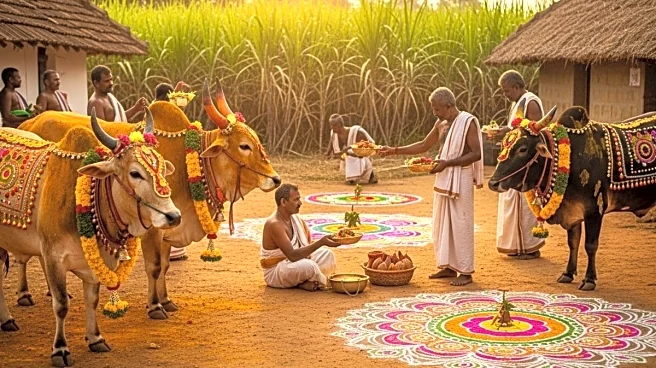
Cattle, especially bulls and cows, have significant importance in agricultural communities. In a devoted tribute to such usage, they are ornamented with turmeric powder, kumkum (or vermillion), flower decorations in the form of strings, bells, and coloured designs on the cattle of Kanuma.
Devoted pujas (or prayers) and food are also given to the cattle. This is a significant pointer to the divine assistance to agricultural existence and is linked to the myth of Lord Krishna’s recall of raising the Govardhan Hill to protect farmers and their cattle during heavy rains.
In addition to the ritual practices, there is a great significance given to conscious resource use, responsible animal handling, and thanking the earth for providing food for sustenance to the communities.
Kanuma Panduga 2026: Rituals and Festive Practices
- Cattle Worship: The main ceremony, also known as Go Puja or Govardhana Puja, is paying respect to animals via prayers, food offerings, and symbolic activities.
- Decoration and Feeding: Many homes and communities conduct little processions to display the exquisitely adorned livestock. Animals are ornamented and fed special treats.
- Community Celebrations: In rural settings, neighbours may gather together for community meals, friendly competitions, and livestock displays.
Many Telugu communities also eat traditional meals, share seasonal harvest dishes, and spend time with friends and family during the Sankranti season, strengthening links of family and cultural continuity.
Mukkanuma, also known as Kaanum Pongal in nearby Tamil regions, continues the joyful atmosphere the day after Kanuma with further feasting, family get-togethers, and ongoing displays of thanks to the community and environment.





/images/ppid_a911dc6a-image-177049953438451437.webp)