
NCP-MP Supriya Sule’s ‘Right To Connect’ bill has sparked an intense debate in the online world among netizens, with a divided opinion among supporters and doubters.
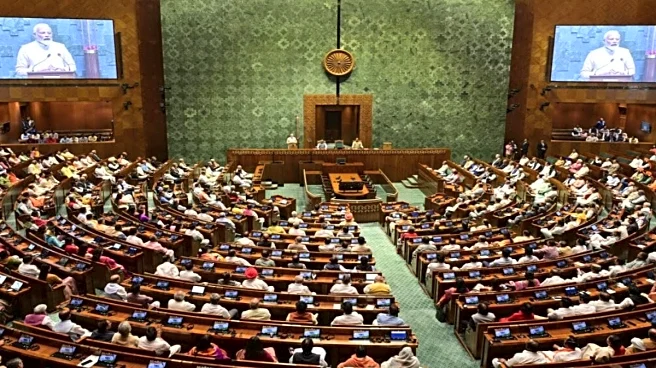
MP Supriya Sule introduced a private
member’s bill on Friday in Lok Sabha. The bill aims to promote work-life balance for workers and employees in India.
As per the provision of the Bill, sanctions at a rate of 1 per cent of the total remuneration of its employees on entities (companies or societies) should be imposed for any non-compliance.
The bill provides every employee the right to disconnect from work-related electronic communications.
While digital and communication technology provide work flexibility, they also pose a significant risk of blurring the lines between professional and personal life, Sule argued in the private member’s Bill.
“Studies have found that if an employee is expected to be available round the clock, they tend to exhibit risks of over-work like sleep deprivation, developing stress and being emotionally exhausted. This persistent urge to respond to calls and emails (termed as ‘telepressure’), constant checking of emails throughout the day, and even on weekends and holidays, is reported to have destroyed the work-life balance of employees,” the statement of objects and reasons of the Bill read. “According to a study, the constant monitoring of work related messages and emails, may overtax employees’ brains leading to a condition called ‘info-obesity’.”
The Bill further argued that there is a need to respect the personal space of the employees by recognising their right to disconnect and not respond to their employer’s calls, emails etc., during out-of-work hours.
A Heated Debate On X
Soon after the proposal surfaced online, several social-media users were quick to note that it was only a Private Member’s Bill, pointing out that such bills rarely progress in Parliament. One user cautioned, “Before anyone gets excited or upset, remember this is a Private Member’s Bill by MP Supriya Sule. It is not a government bill, and these usually never get discussed, let alone passed.”
Reactions on the internet were sharply divided. Some criticised the idea, with one comment calling the proposal “Narayana Murthy’s worst nightmare.” Another user argued that the Bill seemed inspired by Europe, writing, “The intentions may be good, but importing European-style regulations into a country that is still growing could slow us down.”
A few questioned whether the timing of the Bill was deliberate. “Classic distraction tactic from real issues like flight disruptions and air pollution,” one post claimed. Others pointed to practical hurdles, with one person saying, “Looks great on paper, but in reality nobody can complain against their boss.”
Supporters, however, welcomed the proposal. One user wrote, “Finally, a Bill that recognises India’s burnout crisis. If the Right to Disconnect becomes law, employees may actually get their evenings back.” Another added that healthier work boundaries could improve productivity and mental well-being.
There were also concerns about industries that rely on after-hours work. “Unpopular opinion: This could disrupt productivity in sectors that genuinely need off-hour support,” a user argued. Another pointed specifically to India’s startup culture, saying, “Much needed, but startups will never follow this. Anyone who complains will simply lose their job.”





/images/ppid_59c68470-image-177099004958678182.webp)

/images/ppid_59c68470-image-177099008519650310.webp)
/images/ppid_59c68470-image-17709901179689704.webp)