
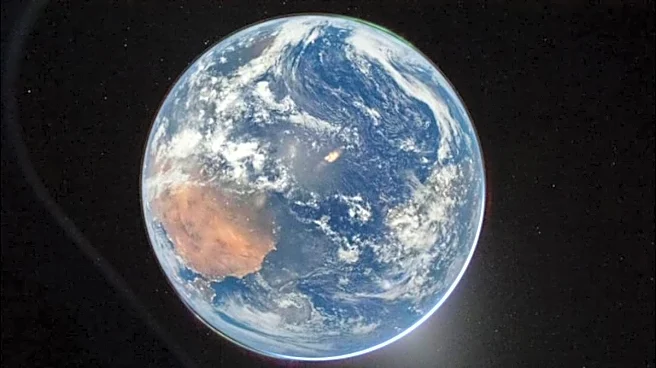
NASA on Monday said that the four astronauts aboard the Artemis II mission have become the humans to travel furthest from Earth, surpassing the distance record set by the 1970 Apollo 13 mission.
The crew is expected to reach a maximum distance of 252,760 miles (406,778 kilometres) from Earth, about 4,105 miles (6,606 km) further than Apollo 13. The milestone marks the first time humans have ventured so far into space, giving the astronauts a chance to view areas of the Moon never before seen by the naked eye.
“A new milestone for humankind: The crew of Artemis II are now the farthest any human has ever travelled, reaching a maximum distance of 252,752 miles from Earth. This surpasses the previous record set by Apollo 13 in 1970 by about 4,102
miles,” NASA shared on X.
A new milestone for humankind: The crew of Artemis II are now the farthest any human has ever travelled, reaching a maximum distance of 252,752 miles from Earth.
This surpasses the previous record set by Apollo 13 in 1970 by about 4,102 miles. pic.twitter.com/DbLFvvdEfT
— NASA (@NASA) April 6, 2026
Historic Lunar Flyby
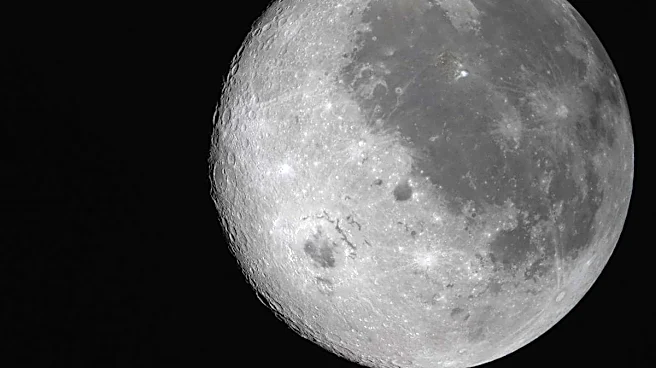
The Artemis II mission involves a monumental lunar flyby, where the astronauts will spend over six hours studying and documenting lunar surface features. Their Orion capsule has already entered the Moon’s gravitational sphere of influence, allowing lunar gravity to dominate over Earth’s pull.
ALSO READ: ‘America First’ On Moon: How NASA Realigned Lunar Mission Artemis With Trump’s Policy
The spacecraft is following a “free-return trajectory,” which means it will swing around the Moon before heading back to Earth over a journey of about four days. During the flyby, there will be roughly 40 minutes of total communication blackout as the capsule passes behind the Moon.
The astronauts began the day with a message from the late Jim Lovell, Apollo 8 and 13 astronaut, who encouraged the crew: “It’s a historic day, and I know how busy you’ll be… Welcome to my old neighbourhood. I’m proud to pass that torch on to you as you swing around the Moon.”
A Crew Of Firsts
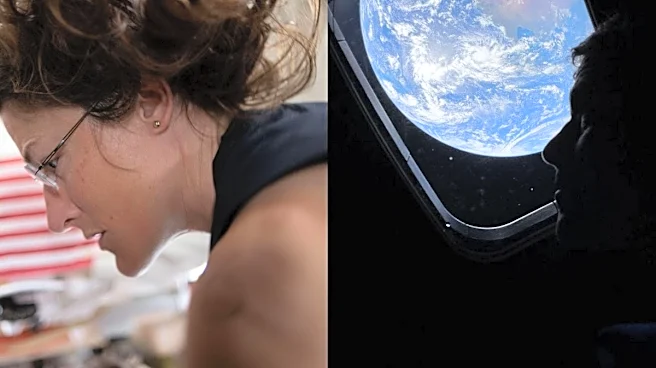
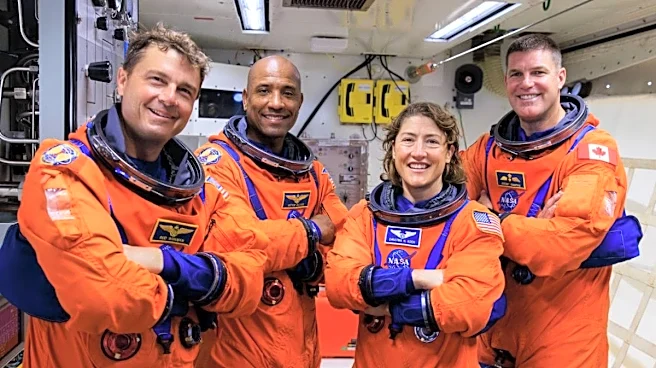
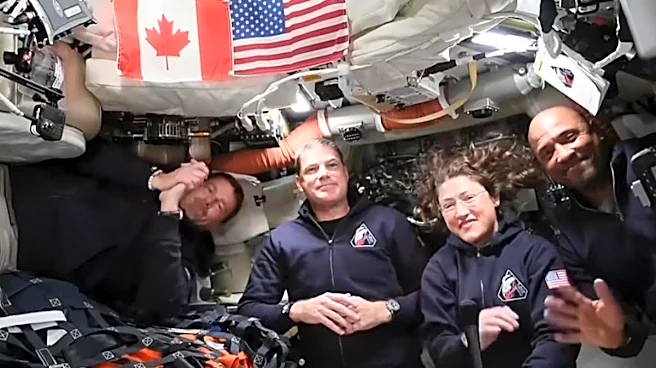
The mission includes several historic firsts: Victor Glover is the first person of colour to fly around the Moon, Christina Koch the first woman, and Canadian Jeremy Hansen the first non-American astronaut on the mission.
Noah Petro, head of NASA’s planetary geology lab, said the Moon will appear “about the size of a basketball held at arm’s length” to the crew. Derek Buzasi, a professor of astronomy at the University of Chicago, told AFP: “It’ll be exciting, you know, in a slightly scary way, when they go behind the moon.”
(With inputs from AFP)

/images/ppid_a911dc6a-image-177546603407889812.webp)


/images/ppid_59c68470-image-177538006554077858.webp)

/images/ppid_a911dc6a-image-177544852489225167.webp)
/images/ppid_59c68470-image-177544507474671223.webp)