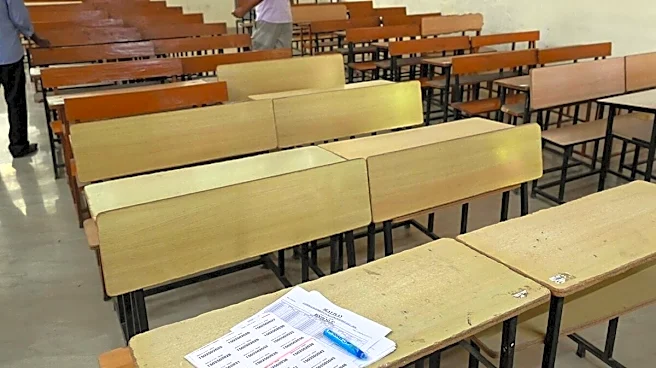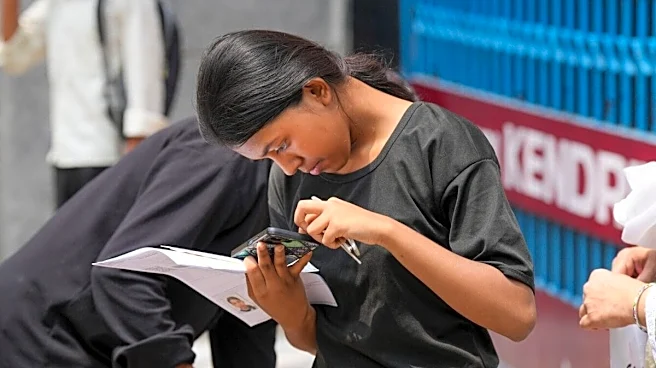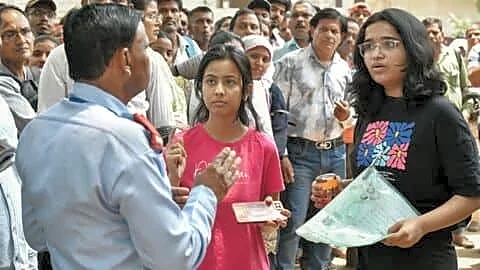

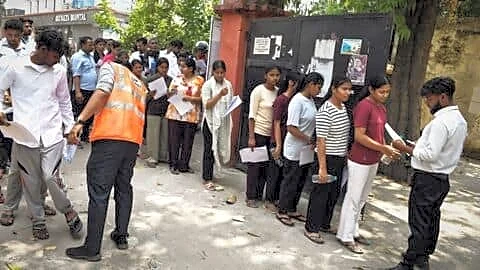



The National Testing Agency (NTA) will conduct the National Eligibility cum Entrance Test Undergraduate (NEET-UG) 2026 re-examination across the globe on Sunday. With more than 22.79 lakh medical aspirants set to reappear for the pen-and-paper entrance test following the cancellation of the May 3 exam over paper leak allegations, ensuring an error-free process is the top priority for administrative bodies. To guarantee absolute transparency and restore public faith, the central government has put in place a massive security grid across 551 Indian cities and 14 international locations.
As the final countdown begins for this critical three-hour-and-fifteen-minute examination, which runs from 2:00 PM to 5:15 PM, candidates must execute a precise
sequence of final preparations to ensure smooth entry and avoid last-minute disqualification.
1. Download and Verify the Newly Issued Colour Admit Card
The most critical initial step for every aspirant is to download and print a fresh, clear colour copy of the newly issued re-examination admit card directly from the official NTA portal. Candidates must meticulously verify that all personal details, including their roll number, allotted examination centre name, and specific address coordinates, are entirely accurate. It is vital to note that admit cards from the cancelled May session are completely invalid for entry. Along with the fresh printout, students must securely attach two identical passport-sized photographs that perfectly match the image uploaded during the initial registration process, alongside a valid, original government-issued photo identification document for verification.
2. Execute Mandatory Aadhaar-Based Biometric Authentication
To eliminate impersonation and secure the integrity of the examination matrix, the NTA has instituted mandatory multi-layered verification protocols at the entrance of every venue. Every eligible candidate will undergo intensive frisking via high-sensitivity metal detectors followed immediately by Aadhaar-based biometric authentication. In light of potential technical or server issues, institutional heads have been strictly instructed that no candidate should be turned away based on biometric failures alone; instead, a formal manual verification protocol and signed undertaking will be utilised to clear students. Candidates should ensure their hands are completely clean, free from ink, chemical grease, or traditional henna markings that could inadvertently disrupt the optical scanners and cause unnecessary delays.
3. Adhere Strictly to the Rigorous Dress Code and Gate Timings
The testing agency has enforced an unyielding policy regarding arrival times and attire that candidates must follow without exception. Examination centre gates will open early at 11:00 AM and close definitively at 1:30 PM, and officials have clarified that latecomers will be barred under all circumstances regardless of the reason. To streamline the physical frisking procedures, students are strongly advised to wear light, half-sleeved clothing without large buttons, elaborate embroidery, or heavy pockets. Closed footwear such as boots or formal shoes, as well as metallic jewellery, watches, and electronic items, remain strictly prohibited inside the hall, making simple open slippers or sandals the mandatory choice.
4. Embrace International Yoga Day Practices for Mental Clarity
Coinciding beautifully with the examination date, International Yoga Day provides a perfect opportunity for candidates to manage last-minute academic anxiety and physical fatigue. Incorporating brief mindfulness practices, such as deep breathing exercises or basic stretching prior to the test, can significantly lower cortisol levels and enhance cognitive focus. Given that the NTA has extended the test duration to 195 minutes this year, maintaining a calm, disciplined posture and a steady mental rhythm will be essential for navigating the lengthy Physics, Chemistry, and Biology sections efficiently.
5. Mitigate Heatwave Conditions with Proper Hydration
Considering the severe summer heatwaves currently impacting northern and central parts of India, physical well-being during the peak afternoon shift is a crucial factor for success. While the NTA has instructed all institutional centres to guarantee uninterrupted power supplies using dedicated generator backups to keep fans and lights functional, candidates must take personal health precautions. Consuming a light, nutritious breakfast and maintaining optimal hydration levels before entering the secure perimeter will prevent lethargy or heat exhaustion. By combining rigorous compliance with administrative rules and conscious physical care, India’s medical aspirants can confidently cross this premier educational gateway.