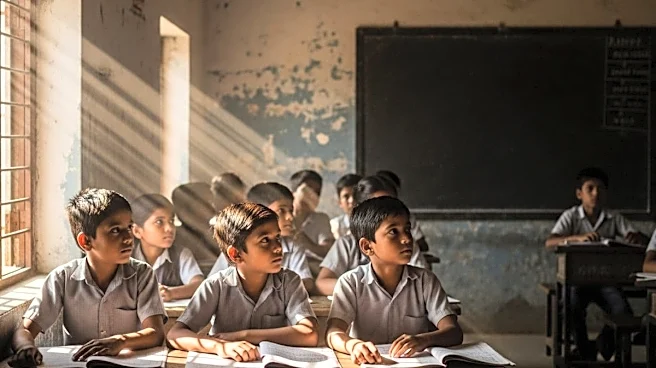


In a landmark decision aimed at bridging the educational divide in Maharashtra’s most challenging terrains, the Maharashtra State Cabinet has officially sanctioned the expansion of 24 tribal ashram schools.
The meeting chaired by CM Devendra Fadnavis approved a strategic plan to upgrade five primary schools to secondary levels and 19 secondary schools to higher secondary junior colleges. This move is designed to create a seamless academic ladder for students living in the state’s hilly, remote, and Naxal-affected regions, where the journey to a classroom often ends prematurely due to lack of local facilities.
The initiative targets a critical bottleneck in the “Ashram School Group” scheme, which has been operational since 1972. While the state
currently supports 556 aided ashram schools through various NGOs, a significant number of students have historically dropped out after the 7th or 10th grade.
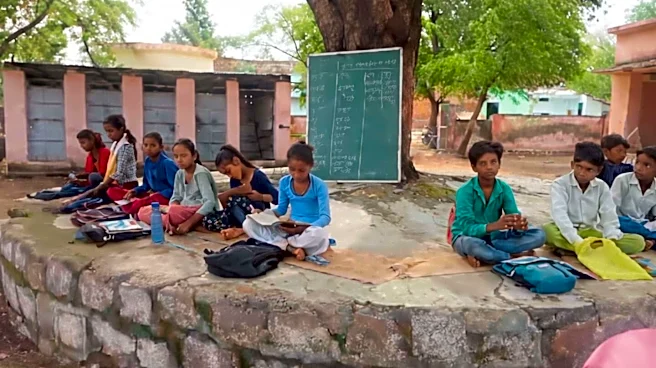
Government data highlights that the jump to higher education often requires students to migrate to distant taluka or district headquarters, a transition that many families cannot afford. By bringing 11th and 12th-grade streams in Arts and Science directly to these remote clusters, the state hopes to protect the academic future of the 2.61 lakh students currently enrolled in the system. A major focus of this policy is also the retention of female students, who make up over 1.21 lakh of the total tribal student population.
Officials noted that girls are disproportionately affected by the lack of local secondary and higher secondary options, often being forced to stay home once local primary schooling is exhausted. By providing residential education up to the junior college level within their own vicinities, the government is acting on recommendations from the National Commission for Scheduled Tribes to incentivize and strengthen the aided school network.
The cabinet has also ensured that these upgrades are backed by substantial human resources rather than remaining mere administrative changes. To maintain the quality of instruction in these expanded institutions, the state has authorized the creation of regular teaching posts and multi-purpose staff positions.
The approved funding covers the immediate salary requirements and infrastructure needs for these roles, ensuring that the new classes in districts like Hingoli, Amravati, Ahilyanagar, and Nandurbar are fully operational and adequately staffed from the outset.
The geographical reach of this decision is extensive, touching schools from the Suryoday Pardhi Samaj school in Buldhana to the Punarutthan Samarasata Gurukul in Pune.
Whether it is starting 8th-grade classes in the remote forests of state or introducing Science and Arts streams in the tribal heartlands, the focus remains on ensuring that financial hardship no longer dictates a child’s potential.
This comprehensive upgrade represents a significant shift in the state’s approach to tribal welfare, moving from basic literacy toward a commitment to high-school and college graduation for all.