
/images/ppid_59c68470-image-177489753010956310.webp)

The US Department of Defence used untested missiles in combat on the first day of the Iran war, including the use of a newly-developed ballistic missile that completed prototype testing just last year, which struck civilian sites near a military compound.
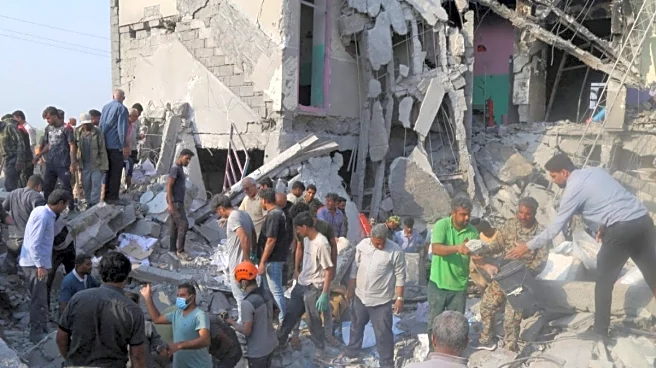
New details about the attack emerged, as the New York Times reported that a newly developed US ballistic missile was used in an attack that struck a sports hall and adjacent elementary school near a military facility in southern Iran, citing weapons experts and visual evidence.
Local officials cited in Iranian media said this strike and others nearby in the Iranian city of Lamerd killed at least 21 people. The attack took place on the same day as a US Tomahawk cruise missile strike on a girls’
elementary school in Minab, which killed 175 people.
As per the NYT report, the weapon features, explosions and damage are consistent with a short-range ballistic missile called the Precision Strike Missile, or PrSM (pronounced like “prism”), which is designed to detonate just above its target and blast small tungsten pellets outward.
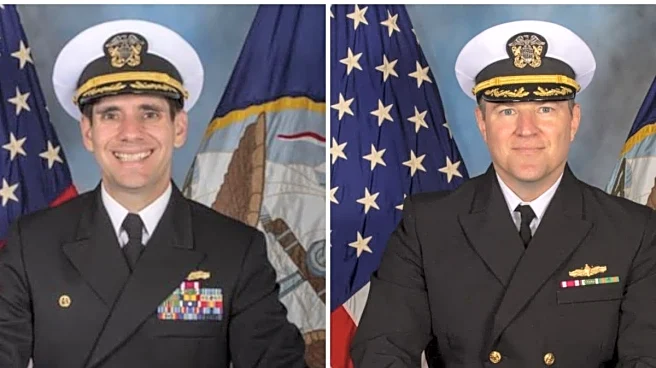
READ MORE: ‘Remember These Criminals’: Iran Names US Officers Who Ordered Tomahawk Attack At Minab School
A video that captured the strike in a residential area about 900 feet from the sports hall and the school showed the weapon in flight, with a distinctive silhouette that matches the PrSM, before detonating in a large fireball. Another video showed the strike on the hall and adjacent school.
Photos of the aftermath show both sites were pockmarked with holes, apparently from the tungsten pellets.
This comes as the US military is investigating whether its forces were responsible for a strike on the girls’ school in Minab, after an investigation found that the February 28 strike on the Shajarah Tayyebeh elementary school was the result of a “targeting mistake”.
Officers at the US Central Command created the target coordinates for the strike using outdated data provided by the Defence Intelligence Agency, according to people briefed on the investigation. Officers said the findings were preliminary and there were a lot of unanswered questions about why the information was not double-checked.
US authorities said the inquiry is still ongoing and key questions remain, including why the intelligence was not properly checked. Washington has maintained it does not target civilian sites.

/images/ppid_59c68470-image-177504756615652818.webp)

/images/ppid_59c68470-image-177490002773849258.webp)