
/images/ppid_59c68470-image-17780000316803521.webp)
As vote counting unfolded on May 4, 2026, across West Bengal, Tamil Nadu, Assam, Kerala, and Puducherry, the results did more than redraw maps. They exposed deeper undercurrents shaping Indian democracy. Record turnouts reflected an engaged electorate choosing dignity over dynastic fatigue, governance over rhetoric, and individual appeal over inherited legacies. The verdict offers a mosaic of BJP gains in the east, southern disruption, and regional alternations. Beneath the numbers lie tectonic shifts with long-term implications for 2029.
Maa, Maati, and …
In West Bengal, the battle simplified to Maa, Maan, and Maati versus Mamata Banerjee. Mamata had risen with the evocative Maa, Maati, Manush – mother, soil, and people. Over time, critics noted its contraction
into Maa, Maati, and Musalman, a tilt that alienated large sections of the Hindu majority in rural and semi-urban Bengal. The horrific RG Kar medical college case proved decisive: the brutal rape and murder of a young doctor shattered public trust, and even Bengal’s Maas – once her strongest emotional base – deserted her, their silence transforming into votes against perceived apathy and impunity.
The BJP has surged to bag 207 seats out of 293. TMC is down to 80, facing a rout. This mirrors the 2011 wave that ended Left rule. Syndicate raj, infiltration worries, post-poll violence, and governance fatigue sealed the outcome. Historically, this carries profound weight. In 1204-05, Bakhtiyar Khilji defeated Lakshman Sen, the last Sanatan Hindu emperor of Bengal, establishing foreign rule. What followed was nearly 800 years of external or ideologically alien dispensations – Afghan, Mughal, British, CPM’s imported Marxism, and a TMC government widely viewed as carrying the same DNA. After eight centuries, Bengal is poised for a government rooted in fully indigenous Indian cultural thought and civilisational continuity. This is more than political change; it marks a homecoming after layered subjugation.
Is this a moment of reckoning for TMC – an opportunity to introspect and reclaim “poriborton” – or outright obliteration like the Left’s? The CPI(M)’s reduction to single digits underscores a harsh reality: prolonged incumbency without delivery invites nemesis. Bengal has chosen pride-rooted change over entitled continuity.
Dravidian duopoly shattered
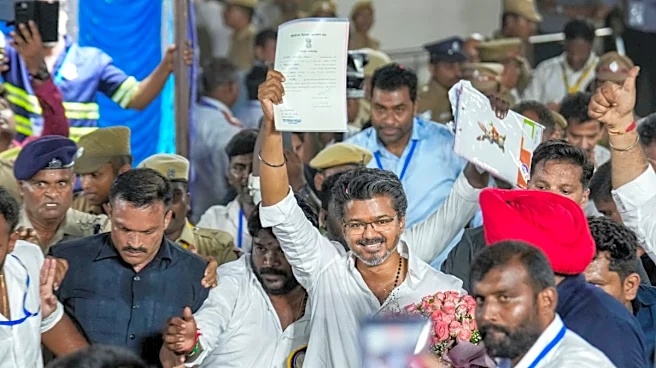
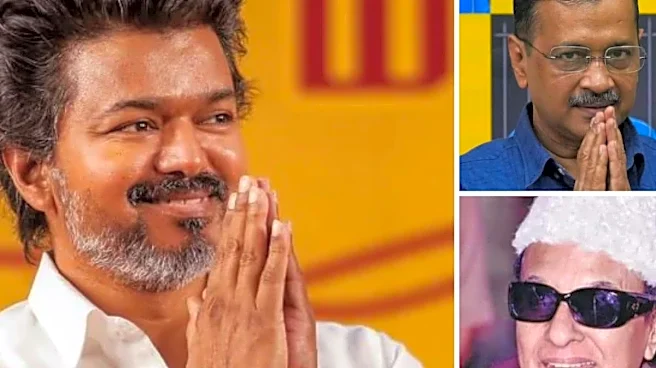
In Tamil Nadu, Joseph Vijay’s TVK has delivered a stunning solo debut, winning 108 of 234 seats. DMK trails; AIADMK follows. This shatters the Dravidian duopoly built on successionist family legacies and ideological binaries. Youth turnout nearing 85 per cent signals rejection of dynastic entitlement in favour of a personality-driven appeal centred on Vijay’s clean image, drug-free promises, and direct governance.
Yet a fair question arises: will Vijay become Tamil Nadu’s Arvind Kejriwal – masterful at revolutionary rhetoric and anti-establishment mobilisation but unproven in administrative execution? TVK’s success is historic, but translating charisma into governance will determine if this evolves Dravidian politics or remains a stylish interlude.
A hat-trick to remember
Assam reinforces quiet consolidation. The NDA secures a hat-trick, with the BJP clinching 82 seats. Post-2023 delimitation, development delivery fused with cultural firmness on immigration resonated. Congress’s poor show highlights opposition disarray. This validates pragmatic regionalism that rewards substance.
And then…
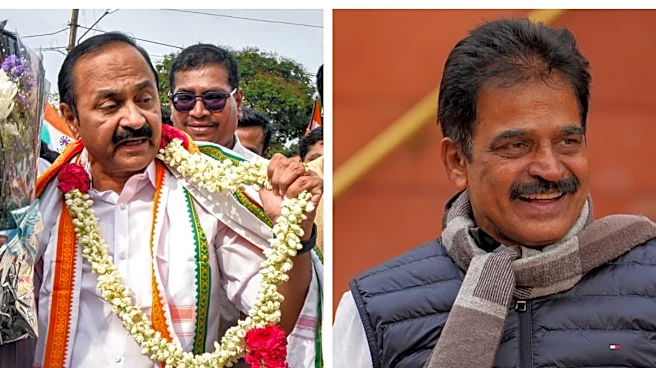
Kerala sees the Congress-led UDF return with 63-odd seats under the kitty of Congress, ending LDF rule through anti-incumbency and better welfare connections. The Left retains 39-40 seats – with all its factions – reminding us Kerala resists national bipolarity. Puducherry’s NDA continuity signals preference for steady governance.
Broadly speaking
Broader patterns are striking.
The Left’s collapse in Bengal and slide in Kerala prompt a pointed query: Are we witnessing the political dawn of Left-Mukt Bharat alongside Naxal-Mukt Bharat?
Ideological radicalism appears to be losing ground as voters prioritise aspiration over dogma.
At the core stands the Modi juggernaut: electorally potent and geographically expansive.
From Assam’s repeat win to Bengal’s breakthrough, sustained organisational work and governance messaging shine through.
High turnouts show voters choosing Maan over manipulation, Maa over machinations, and Maati over myopia.
The INDIA bloc faces sobering arithmetic wherein Kerala’s gains cannot offset Bengal’s losses or Tamil Nadu’s outsider surge. Opposition coordination and ideological clarity remain elusive.
Yet it must be noted that India has rarely voted for parties or ideologies alone. It has chosen individuals who embodied national hope: Nehru’s vision, Indira’s decisiveness, Rajiv’s youth, Vajpayee’s statesmanship, and now Narendra Modi’s synthesis of development, cultural assertion, and personal connect. The 2026 verdict reaffirms this truth. Voters responded to delivery and dignity, not binaries.
This mandate reflects a maturing electorate demanding performance, punishing entitlement, and valuing leaders who listen.
As parties prepare for 2029, the signals are clear. For TMC: reckoning or obliteration? For TVK: charisma or capability? For the Left: relevance or relic? For the nation: continued faith in the Modi vision with no viable credible alternative. Bharat’s democracy, vibrant and unforgiving, has delivered another instructive verdict. The nuances point to a maturing federal polity where individual appeal and civilisational rootedness increasingly trump inherited entitlements.
Yuvraj Pokharna is an independent journalist and columnist. He tweets with @iyuvrajpokharna. Views expressed in the above piece are personal and solely those of the author. They do not necessarily reflect News18’s views.

/images/ppid_a911dc6a-image-177805163266784922.webp)

/images/ppid_a911dc6a-image-177797262739255571.webp)
/images/ppid_a911dc6a-image-177797102769042715.webp)