
/images/ppid_a911dc6a-image-177074809808953871.webp)
/images/ppid_a911dc6a-image-177074813127457865.webp)
/images/ppid_a911dc6a-image-177089922715929770.webp)
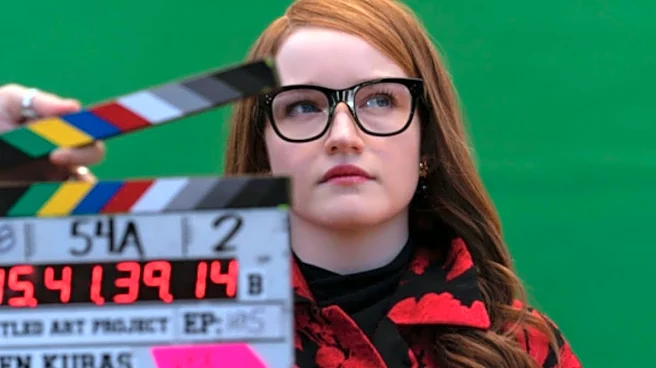
Netflix’s hit true-crime drama Inventing Anna has quietly closed a long-running legal chapter. The streamer has reached a settlement in a defamation lawsuit filed by Rachel DeLoache Williams, a former Vanity Fair staffer who said the series misrepresented her role in the real-life Anna Sorokin saga.
The lawsuit, filed in 2022, centred on Williams’ portrayal in the Shonda Rhimes–created show. Williams, who was once a close friend of Sorokin, argued that the series falsely suggested she had abandoned and betrayed Sorokin, painting her as “snobbish” and “greedy” while softening the image of the convicted con artist.
On Friday, both sides confirmed the dispute had been resolved. “Williams and Netflix have resolved the lawsuit,” a Netflix spokesperson
and Williams’ attorney, Alexander Rufus-Isaacs, said in identical statements.
Inventing Anna was inspired by a New York magazine article chronicling Sorokin’s rise and fall as a fake heiress operating under the name Anna Delvey. Sorokin ultimately served nearly four years in prison for fraud, but the dramatized retelling sparked debate over how real people connected to her were portrayed.
Williams’ legal team argued that the show deliberately reshaped the narrative to make Sorokin more sympathetic. According to court filings, “Shonda Rhimes and the others responsible for creating and writing ‘Inventing Anna’ believed that the Series needed a villain,” adding, “Out of animus toward Williams, they cynically decided to portray Williams as that villain.”
Netflix pushed back against the claims, attempting in 2024 to have the case dismissed on the grounds that the series was protected by creative and literary license. A federal judge in Delaware rejected that argument, allowing the case to move forward. Netflix later sought summary judgment after extensive discovery, but that motion remained unresolved at the time of settlement.
Rufus-Isaacs has represented other plaintiffs in similar cases involving Netflix, including Georgian chess legend Nona Gaprindashvili over The Queen’s Gambit and free diver Francisco “Pipin” Ferreras in relation to the film No Limit. He has consistently maintained that dramatizations based on real events are not exempt from defamation law.
During a deposition in November 2024, Rhimes addressed questions about fictionalising real people. “We had a position on accurately portraying people based on the facts and their behavior and then fictionalizing moments that made those facts even clearer,” she said. “I feel like I wanted to capture the essence of what that person was in those moments that we were portraying, and I definitely had a rule that we would never portray a woman in a severely negative way. That’s not what we do. We create three-dimensional people.”
The terms of the settlement have not been disclosed.



/images/ppid_a911dc6a-image-177090903771179733.webp)


/images/ppid_a911dc6a-image-177088459625185979.webp)
/images/ppid_a911dc6a-image-177088805007765911.webp)

/images/ppid_a911dc6a-image-177084253417916956.webp)