


/images/ppid_a911dc6a-image-177682182853011695.webp)
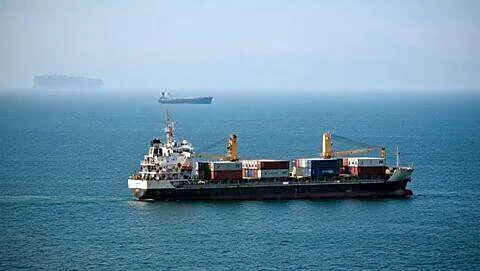
The Reserve Bank of India (RBI) has warned that the outbreak of the conflict in West Asia has led to severe disruption of global supply chains, posing a challenge for the global economy – higher prices and lower global growth.
In the Minutes of the Monetary Policy Meeting held between April 06 to April 08, RBI said “elevated energy and other commodity prices coupled with supply shock due to disruptions in the the Strait of Hormuz would act as a drag on domestic production in 2026-27.
RBI stated that persistently elevated energy prices due to the West Asia conflict and possible El Niño conditions might increase inflation.
El Niño is a climate phenomenon where the central and eastern Pacific Ocean becomes warmer than normal. When it happens, the Indian
subcontinent receives less rainfall during the monsoon.
In April, the MPC kept the repo rate unchanged at 5.5 per cent.
India’s GDP growth is projected at 6.9% for FY27, supported by strong domestic demand, services sector momentum and improving manufacturing capacity utilisation, though risks persist from elevated energy prices, global trade disruptions and financial market volatility.
On inflation, headline CPI is projected at 4.6% for FY27, with upside risks from energy price volatility and weather-related disruptions such as El Niño, reinforcing the need for a cautious “wait and watch” policy approach.



/images/ppid_a911dc6a-image-177694671703314211.webp)