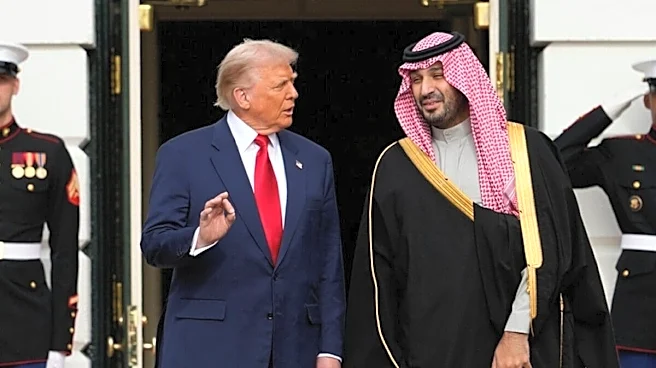


The United States has approved a potential $5 billion arms sale to Saudi Arabia, even as questions continue to mount over American ammunition stockpiles following months of military operations against Iran.
The deal, announced by the US State Department on Friday, includes thousands of bomb guidance kits and general-purpose bombs, along with related equipment and support. The package is centred on Joint Direct Attack Munition-Extend Range systems, with Boeing named as the main contractor.
Washington says readiness will not suffer
The US State Department sought to address concerns over the impact of the sale on US military supplies, saying there would be “no adverse impact on U.S. defense readiness because of this proposed sale.”
It also said the proposed transfer would not change the military
balance in the region.
According to the department, the weapons will strengthen Saudi Arabia’s ability to respond to regional threats and improve its cooperation with US forces and other Gulf partners.
What the deal covers?
“The proposed sale will improve Saudi Arabia’s airborne defense capability to counter current and future regional threats, strengthen its homeland defense, and improve interoperability with systems operated by U.S. forces and other Gulf Region partners,” the department said.
The package includes 5,004 KMU-572 JDAM guidance kits, 5,000 KMU-556 guidance kits, 5,004 500-pound bombs and 5,000 2,000-pound bombs, alongside fuzes, target detectors, spare parts and technical support.
The department has also approved a separate potential $750 million sale of AGT-1500 engines to Riyadh, with Honeywell identified as the main contractor.
Deal comes amid shortage scrutiny
The Saudi arms agreement comes at a sensitive moment for the Pentagon, with analysts warning that US inventories of several missile-defence systems have fallen sharply during the Iran conflict.
An estimate by the Center for Strategic and International Studies put the number of US Patriot interceptors at between 759 and 827 by late July, down from about 2,330 before the war. THAAD interceptor stocks were also estimated to have fallen from 452 to between 234 and 278.
US stocks of several long-range weapons, including Tomahawk and ATACMS missiles, have also faced heavy demand.
The Pentagon has responded by seeking to expand production. Recent agreements with defence firms aim to triple PAC-3 MSE production capacity and quadruple THAAD interceptor capacity.
Trump rejects shortage claims
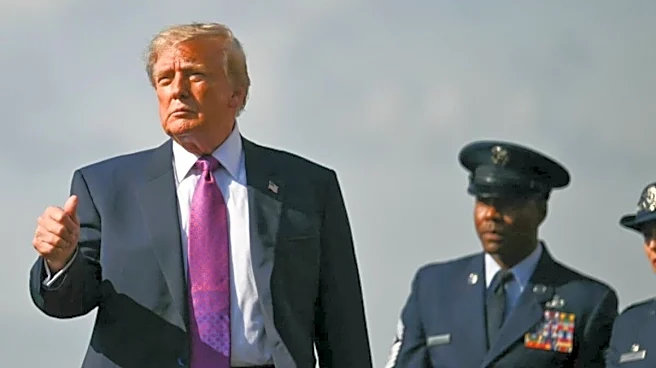
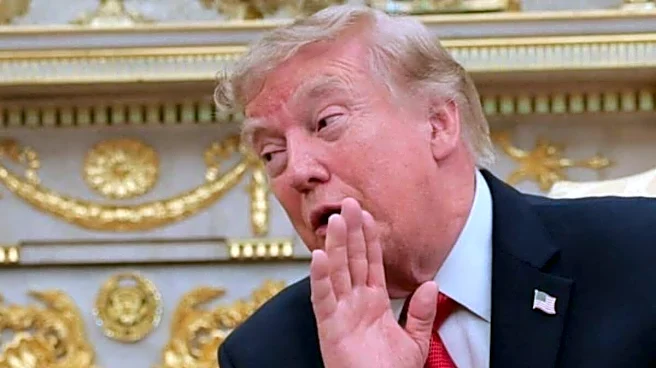
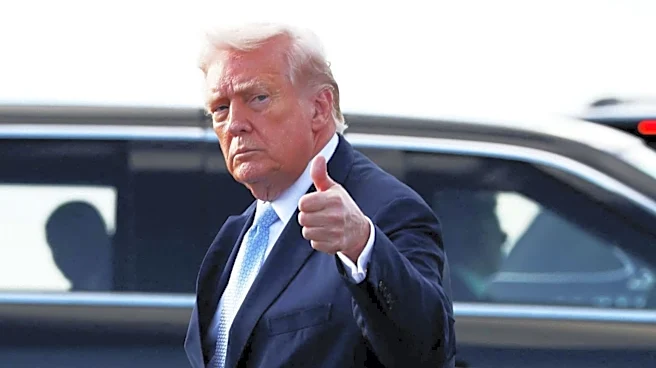
US President Donald Trump has repeatedly dismissed reports of a serious ammunition shortage.
Just a day before the Saudi announcement, Trump called claims about dwindling supplies “treasonous” and said the US had “virtually unlimited amounts” of ammunition.
The White House has maintained that American military stocks remain sufficient, while the administration has simultaneously pushed for faster weapons production.
The latest Saudi deal is therefore likely to fuel further debate over whether Washington can continue supplying allies while maintaining adequate reserves for its own forces. The proposed sale has been notified to Congress and will require lawmakers’ approval before it can proceed.
(With inputs from agencies)
/images/ppid_59c68470-image-178872253345575859.webp)






/images/ppid_59c68470-image-178850003195082261.webp)