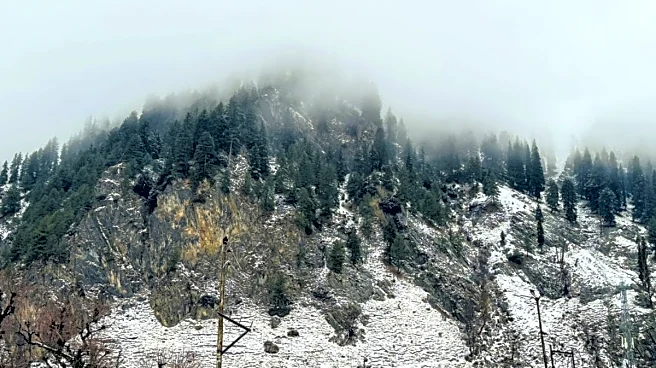

As December draws to a close and the New Year approaches, winter has reached its peak across northern India. Yet, the towering Himalayan peaks present an unusual sight: bare, silent, and largely snowless.
Snow, which usually blankets the mountains at this time, appears to have vanished, raising concerns of a growing ‘snow famine’ in Uttarakhand.
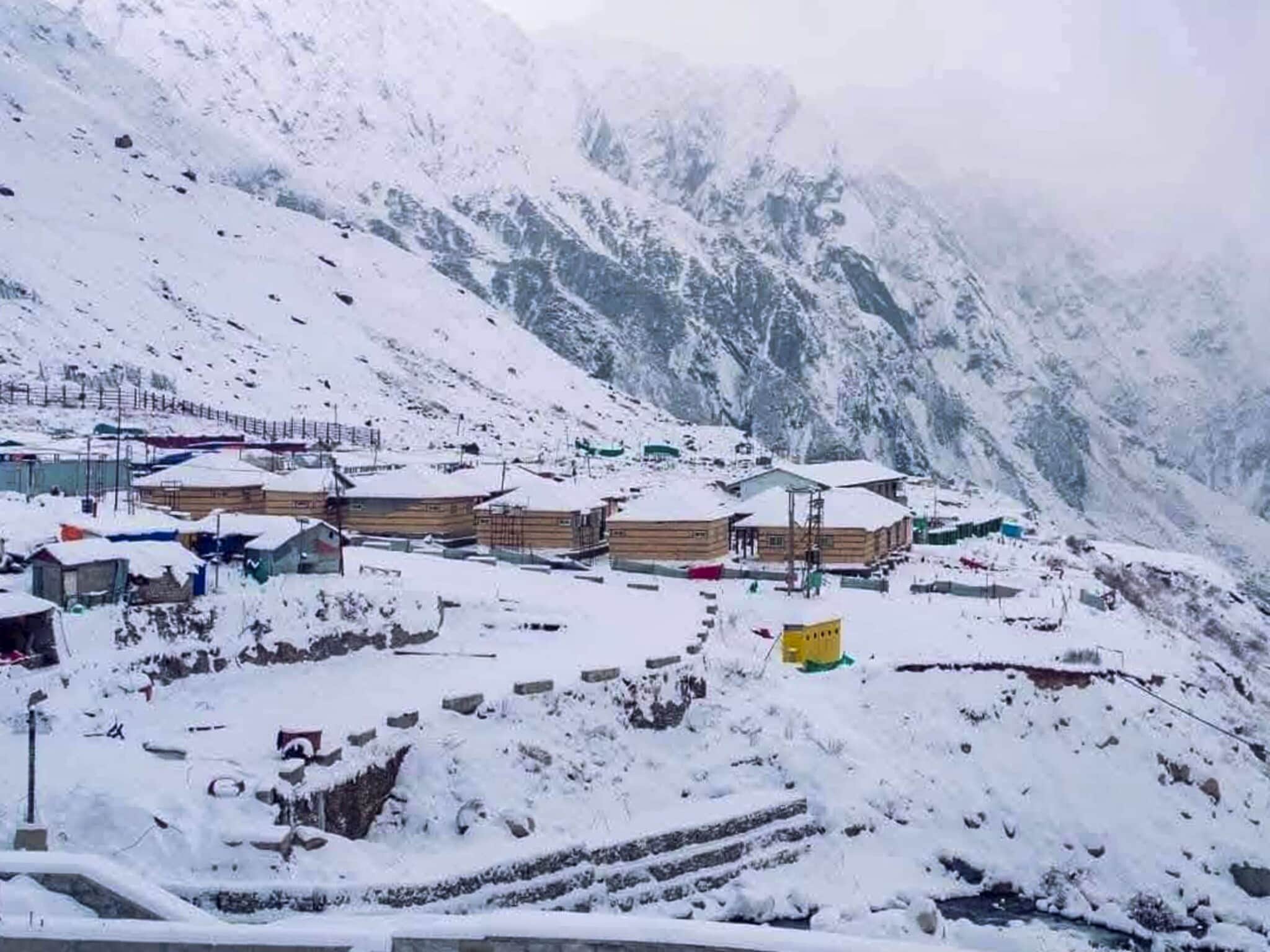
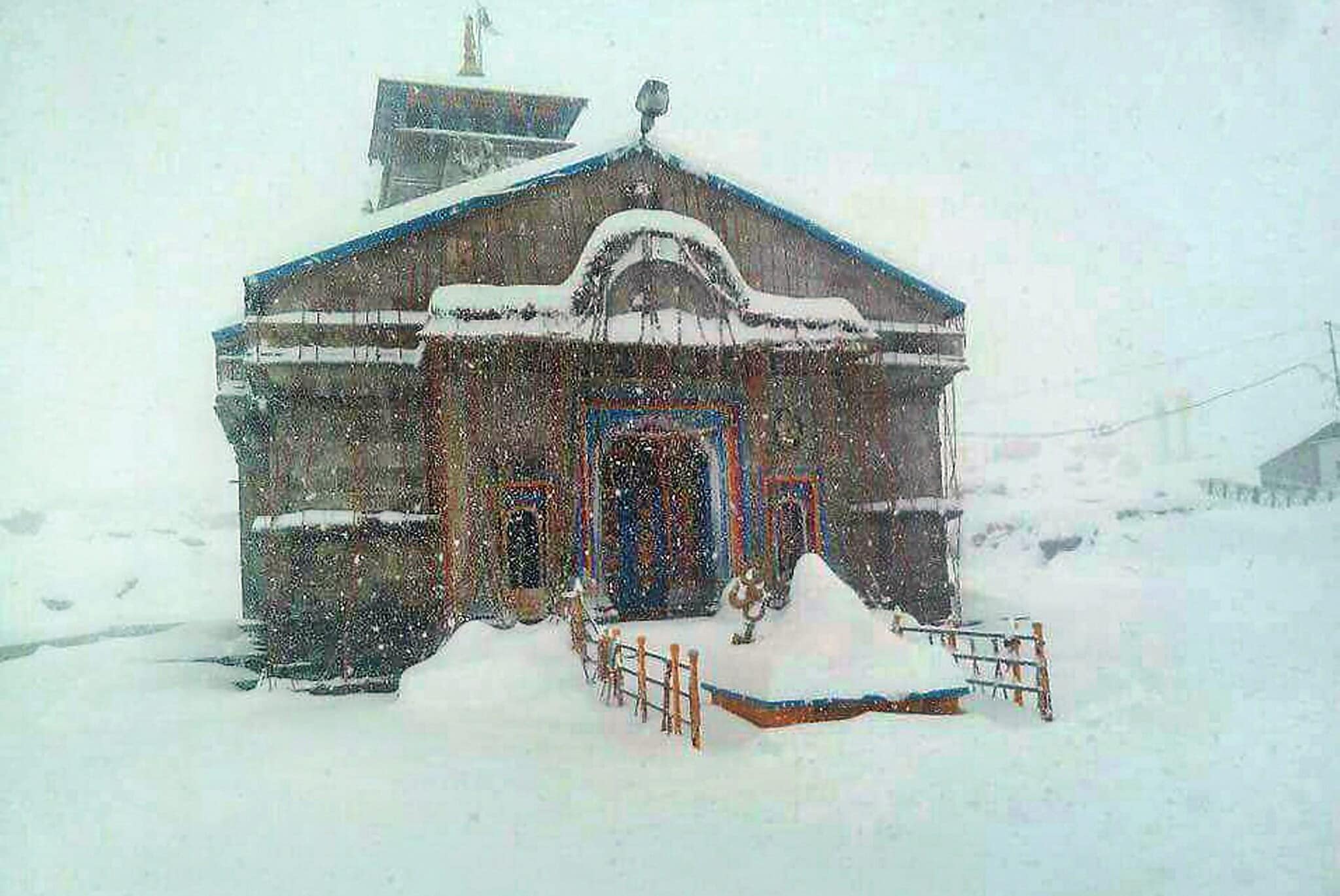
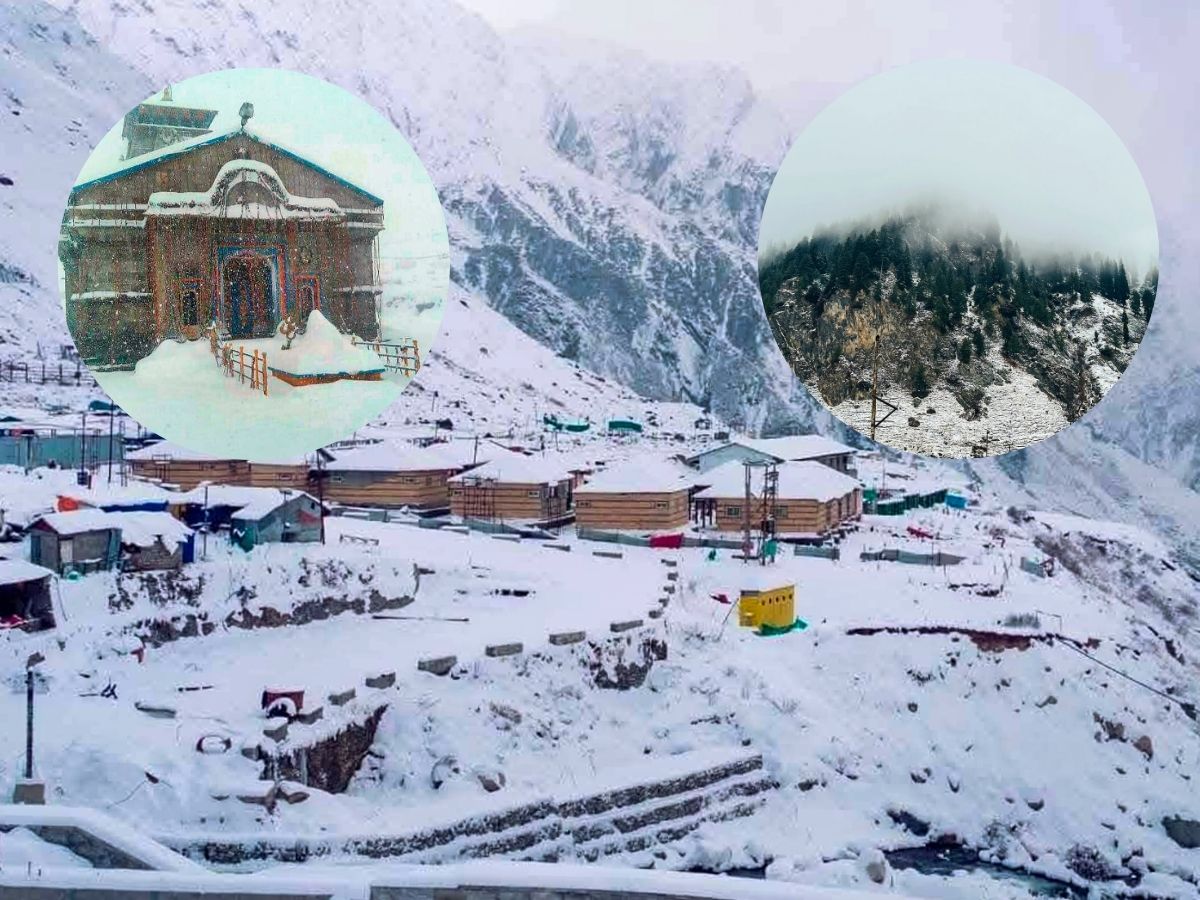
Until recent years, Kedarnath would be buried under a thick blanket of snow, often measuring between five and eight feet. This year, however, the weather has taken an unexpected turn. Despite the end of December, the high-altitude regions of Uttarakhand remain stark and dry.
Shrines And Ski Resorts Left Bare
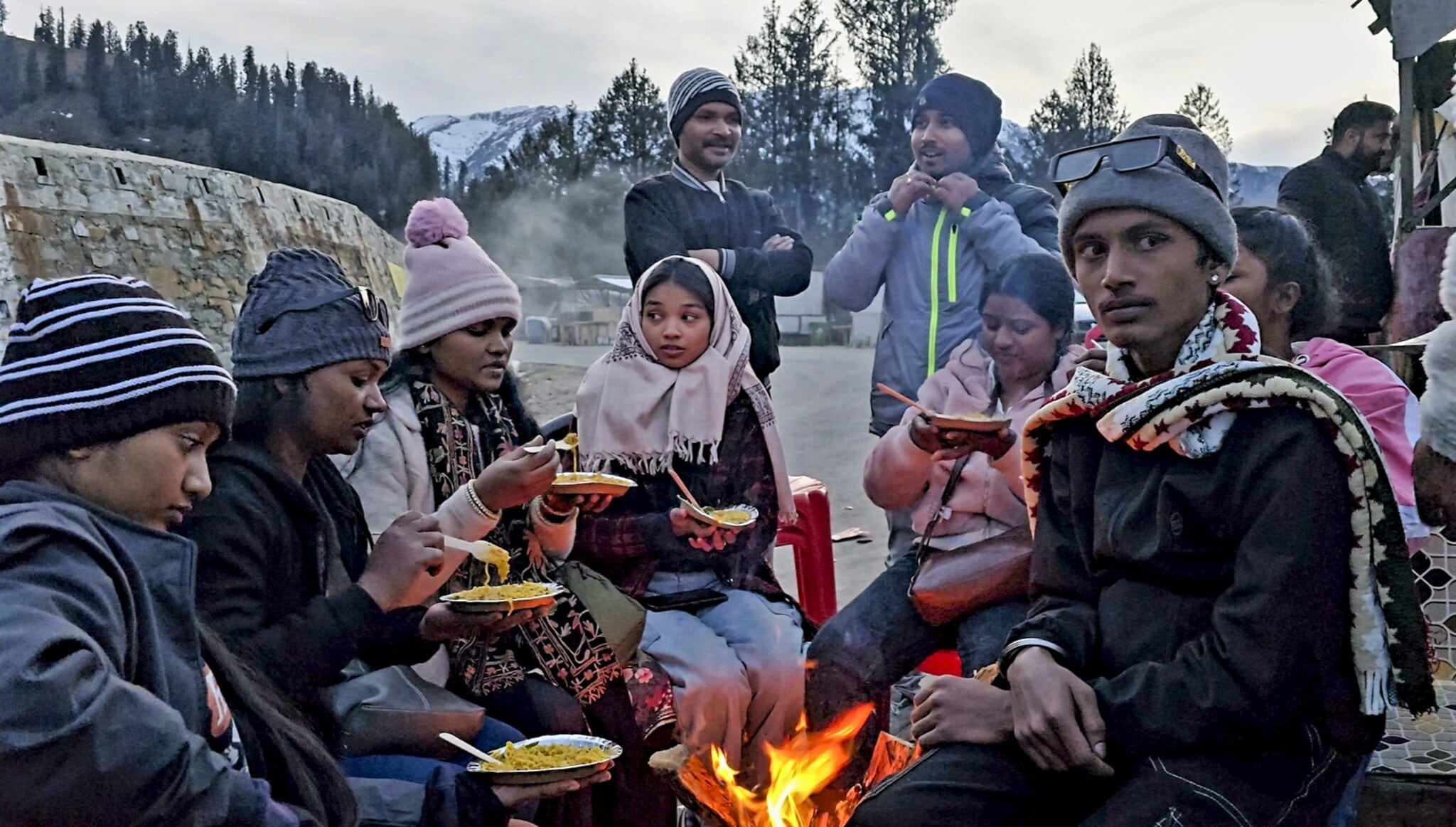
The absence of snowfall around the Kedarnath and Badrinath shrines has triggered concern among locals, pilgrims, and weather experts alike. Auli, a popular winter destination usually covered in snow by this time, is witnessing unusually dry conditions. Tourists arriving for New Year celebrations have been left disappointed, while local businesses dependent on snowfall continue to wait anxiously.
Chamba, which typically experiences rain and snowfall in December, has also remained largely dry this year. Farmers, orchard owners, and tourism operators across the region say the lack of snowfall is affecting both livelihoods and expectations.
Why Has Snowfall Been Missing?
Explaining the unusual weather pattern, weather expert Professor Dr Chandramohan said the prolonged absence of snowfall is due to the continued activation of weak western disturbances. These systems, he explained, have failed to intensify winter conditions.
“When such disturbances occur, they usually bring light rain and scattered snowfall in the mountains, while intensifying cold conditions in the plains,” he said. “This year, neither the mountains nor the plains experienced strong winter spells.”
He added that the cold waves, foggy mornings, frost, and cold days typically seen across the plains in November and December were largely absent this season.
Business And Tourism Feel The Impact
The lack of snowfall has affected not only farmers and orchard owners but also traders and tourism businesses. Snowfall usually draws large numbers of tourists to hill stations, boosting local economies.
With no snow in sight, many businesses have been left struggling during what is typically a peak season.
Hope On The Horizon: Snow Likely From December 31
Amid growing concern, weather experts have offered some positive news. According to Dr Chandramohan, a strong, moderate-range western disturbance is expected to become active on December 31.
This system is likely to bring heavy snowfall to northern mountainous regions and change weather conditions across the plains. Between December 31 and January 2, light to moderate rainfall is expected in the plains, while heavy snowfall is likely in the higher reaches of the Himalayas.
As a result, the cold, which has eased in recent weeks, is expected to intensify once again.
IMD Forecast For Uttarakhand
The India Meteorological Department (IMD) has issued a snowfall alert for high-altitude regions of Uttarakhand. According to the forecast, a western disturbance will bring light to moderate rain and snowfall to areas above 3,200 metres, particularly in Uttarkashi, Chamoli, Rudraprayag, and Pithoragarh districts, from Tuesday until January 2.
Dr CS Tomar, Director of the Dehradun Meteorological Centre, said, “The western disturbance is currently active, and light rain and snowfall is expected in the state from December 30 to January 2 in regions situated above 3,200 metres.”
Climate Change Or Normal Weather Cycle?
This season, high-altitude areas including Badrinath and Kedarnath experienced snowfall in October, but conditions have remained dry since then. While some scientists and local residents attribute this to climate change, meteorologists maintain that such dry spells are not unusual.
Bhavan Singh Chauhan, a resident of Bhyundar village near the Valley of Flowers and a social activist, said weather cycles have changed significantly in recent years.
“In October, when the weather should have been pleasant, our area received more than two feet of snow,” he said. “Now, when snowfall is expected, there is neither snow nor rain.”
Scientists Point To Shifting Himalayan Patterns
Dr MM Kimothi, former scientist at the Space Applications Centre, Ahmedabad, and former director of USAC, linked the phenomenon to climate change.
“The impact of climate change is now visible not only in shifting weather cycles but also in broader changes across the Himalayas,” he said. “Compared to Kashmir and Himachal Pradesh, the rainfall and snowfall situation in Uttarakhand this season has been particularly concerning.”
Changes Seen Around Badrinath
Experts have also noted ecological changes around Badrinath. Dr Kimothi pointed out that vegetation previously uncommon at such altitudes is now being observed, indicating a rising tree line in the Himalayas.
Pandit Bhuvan Chandra Uniyal, former head priest of the Badrinath temple, recalled that in earlier years, snowfall would begin almost immediately after the temple doors were closed for winter in November.
“This year, December is coming to an end, and there has still been no rain or snowfall,” he said.
Has This Happened Before?
Despite concerns, IMD officials have described the situation as normal. Dr Tomar said November and December are traditionally the driest months in Uttarakhand. “In 2020 and 2023, there was no snowfall during these months either,” he noted. “Snowfall occurred only in January.”
The IMD now predicts snowfall in the high-altitude areas of Uttarakhand from Tuesday onwards, a development expected to bring relief to tourists, farmers, traders, and local businesses in the coming days.
/images/ppid_59c68470-image-177070764076491735.webp)

/images/ppid_59c68470-image-177070757930160756.webp)
/images/ppid_59c68470-image-177070760755585975.webp)
/images/ppid_59c68470-image-177070753535599137.webp)