
/images/ppid_59c68470-image-178152003710821462.webp)




What if a single leaf could bring the flavours of cloves, cinnamon, nutmeg, mace, and black pepper to your cooking? Meet Allspice, an aromatic plant that is quietly gaining popularity among home gardeners, food enthusiasts, and nature lovers. Known for its unique fragrance and flavour profile, Allspice leaves are said to combine the essence of several popular spices, making them a versatile addition to both sweet and savoury dishes.
What Makes Allspice Different From Other Spices?
Most kitchens rely on a blend of spices such as cinnamon, cloves, nutmeg, and pepper to create depth and aroma in food. However, Allspice offers a surprisingly similar experience through its leaves alone.
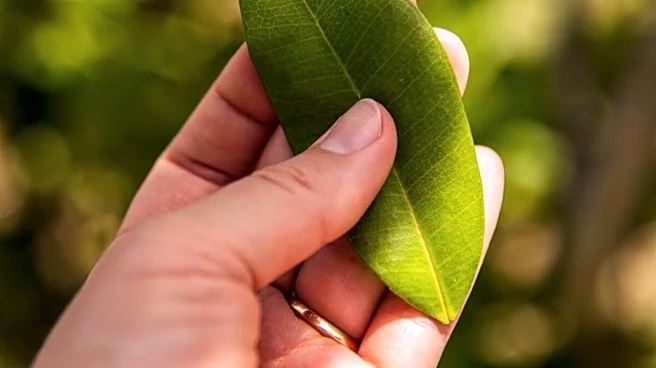
According to gardening enthusiasts, adding just one or two fresh
leaves to a dish can infuse it with a rich, warm aroma that enhances everything from chicken and mutton curries to vegetable stews, soups, and biryanis.
Environmentalist Naresh Agarwal, who grows several rare plants on his terrace garden in Patna, describes Allspice leaves as a natural blend of multiple spices. He says their aroma instantly reminds him of cloves, cinnamon, nutmeg, mace, and black pepper, often reducing the need for additional garam masala in recipes.
A Plant That’s Easy to Grow
One reason for Allspice’s growing popularity is that it requires relatively little maintenance. The plant thrives in moist soil and does not need excessive watering.
Gardeners recommend ensuring the soil does not dry out completely and occasionally pruning older leaves to encourage healthy growth. Today, Allspice plants are increasingly available at nurseries, making them accessible even for beginners.
The Fascinating Story Behind Its Name
The name “Allspice” has an interesting history. Historians believe that the plant was first encountered by explorer Christopher Columbus during his voyages to the Americas, particularly in Jamaica.
When British botanists later examined the plant in the 17th century, they noticed that its flavor resembled a combination of several spices, including cloves, cinnamon, nutmeg, and pepper.
The result was the name Allspice—a spice that tastes like many spices at once.
How Can You Use Allspice Leaves?
Allspice leaves are incredibly versatile and can be used in a variety of dishes and beverages. Popular uses include:
- Chicken and mutton curries
- Biryani and pulao
- Vegetable dishes, including jackfruit curry
- Soups and gravies
- Lemon tea and herbal drinks
Adding just one or two leaves while cooking can give food a distinct aroma and a subtle spicy warmth that lingers on the palate.
The Secret Ingredient For Tea Lovers
Tea enthusiasts may find Allspice especially intriguing. Fresh leaves can be chopped into small pieces and added while brewing tea.
The result is a fragrant drink with notes similar to masala chai, but with a unique twist. The leaves impart a warm, spicy aroma that elevates an ordinary cup of tea into something far more memorable.
According to growers, those who try Allspice-infused tea often end up asking for a second cup.
A Global Favourite With Growing Appeal
Native to southern Mexico and parts of Central America, Allspice is now cultivated in many regions around the world, including Asia. Its distinctive flavour, pleasant fragrance, and potential wellness benefits have contributed to its growing popularity among gardeners and food lovers alike.
For anyone looking to experiment with new flavours in the kitchen, this humble plant may be one of the easiest ways to add the complexity of multiple spices, using just a single leaf.