

/images/ppid_59c68470-image-177064254055570109.webp)

What if the bargain of a lifetime came with a bill you couldn’t pay in cash? India’s 2026 Global Cost of Living Index score of just 12.4, anchoring it at 154th out of 155 countries, with New York City as the 100 baseline—sounds like a dream for budget-conscious expats and locals alike. But peel back the layers, and you’ll find a harsher reality- toxic air that chokes the lungs, traffic jams that devour time, crumbling roads that test patience, and water shortages that turn daily life into a scramble.
Numbeo is the world’s largest database and a crowdsourced global resource for quality of life data, reveals this affordability isn’t free it’s subsidized by health risks, lost productivity, and environmental decay. Ready to tally the true cost?
As
of today, Delhi’s real-time Air Quality Index hovers in the hazardous range, with PM2.5 levels frequently exceeding 250–290 µg/m³, dozens of times the World Health Organization’s annual guideline of 5 µg/m³ while Bengaluru drivers lose an average of 168 hours annually to congestion according to the latest TomTom Traffic Index, ranking the city second most congested globally at 74.4%. Water stress affects hundreds of millions, with urban centers like Bengaluru and Chennai still grappling with deficits despite recent infrastructure gains, and India’s overall Quality of Life Index languishing at 122.3, placing it 63rd out of 89 countries on Numbeo’s 2026 rankings well below global averages, dragged down by pollution (72.8), traffic commute time (46.5), and safety concerns (55.8).
These numbers compound daily for millions: the low cost of living enables survival on modest incomes, yet the non-monetary burdens respiratory illnesses from persistent smog, hours wasted in gridlock, and the constant hunt for reliable water erode both well-being and economic potential. In a country projected to become the world’s fourth-largest economy by 2026, the question looms: how sustainable is this model when the hidden invoice keeps rising?
Why Is India’s Cost of Living So Remarkably Low?
India’s ultra-low index score stems from local efficiencies: thriving agriculture suppresses food imports, keeping groceries 70% cheaper than in the U.S., while dense cities slash rent by 90% and utilities to around $30 monthly for modest homes. Even as global home prices spiked over 50% in 28 countries since 2020, India’s residential growth averaged 9.89% annually from 2010-2025, with 2026 projections signaling stability. This draws digital nomads to IT epicenters like Bangalore, where lifestyles eclipse those in pricey Singapore (81.2, ranked fifth globally).
Globally, India’s position underscores vast inequalities, hovering below the 30.8 median and neighbors like Bangladesh (13.8). Domestic supply chains shield against international grocery surges in places like Mexico or Germany, yet they also reflect stagnant wages that make “cheap” feel burdensome for many.
What’s Breathing Like in the World’s Most Polluted Cities?
In Delhi, air quality often plummets to “severe” with AQI over 300 and PM2.5 at levels routinely 18–50 times the WHO threshold. As of February 11, 2026, readings show PM2.5 frequently in the 250–290 µg/m³ range during hazardous episodes, with national averages from 2024–2026 persisting around 50+ µg/m³ amid winter crop burning and emissions.
This pollution claims over 2 million lives yearly through respiratory and cardiac ailments. Hotspots force investments in masks and purifiers, chipping away at savings. The National Clean Air Programme targets 40% PM10 cuts by 2026, but funding constraints hamper progress. As experts warn, this isn’t mere haze—it’s a veiled health crisis.
How Bad Is the Daily Grind in India’s Traffic-Choked Streets?
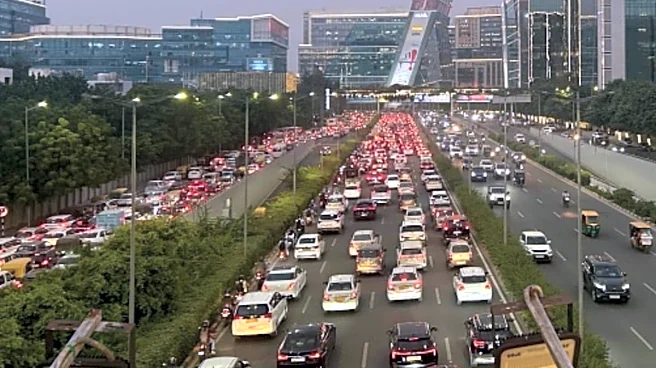
Urban commutes are marathons: Bengaluru ranks second worldwide in the 2025 TomTom Index (carried into 2026 data), with 168 hours lost annually to congestion a 10 km trip averaging 36 minutes at speeds under 14 km/h. Mumbai follows closely at 63.2% congestion level, with commuters losing 126 hours yearly.
Potholes, floods, and poor connectivity compound issues, with quick-commerce adding to the fray. PM Gati Shakti has trimmed logistics times, but port delays linger from road woes. Budget 2026 eyes 20 new waterways for freight relief, urging public-private fixes for sustainable flow.
Why Are India’s Cities Running Dry?
Water scarcity grips 600 million, with Bengaluru and Chennai teetering on deficits—Bengaluru reliant on tankers amid ongoing shortages, Chennai facing persistent shortfalls despite new desalination projects launching in late 2026. Projections warn of further groundwater depletion without aggressive recycling.
Namami Gange’s investments seek river revival, but 40% supply loss from leaks and mismanagement heightens contamination risks and extra costs for the poor.
Does Low Cost Equal Low Quality of Life?
India’s 2026 Quality of Life Index ranks 63rd out of 89 at 122.3, weighed down by pollution (72.8), traffic (46.5), and safety (55.8). Housing EMIs consume high portions of income, sidelining the middle class. Budget 2026 amps housing funds but skips affordable caps, spurring slums. Analysts argue affordability demands infrastructure upgrades.
Family bonds and culture provide buffers, but outflows rise amid priced-out housing.
Can India Afford to Ignore These Hidden Costs?
This low index fuels expansion but entrenches divides. Initiatives like the National Clean Air Programme and urban allocations in Budget 2026 show promise, yet delivery stumbles. Pairing cheap living with livability—via cleaner skies, smoother streets, and steady water is key. Without it, India’s “bargain” may bankrupt its future.
/images/ppid_a911dc6a-image-177073402422810189.webp)



/images/ppid_a911dc6a-image-177060802130265096.webp)