
/images/ppid_59c68470-image-17704376269365025.webp)
/images/ppid_59c68470-image-177044505982222933.webp)
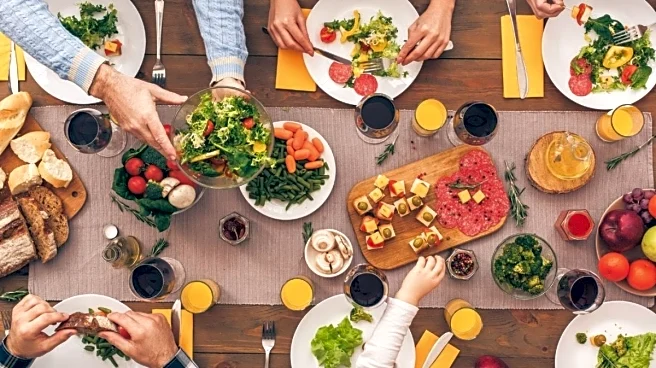
The release of the Dietary Guidelines for Americans 2025–2030 marks a radical departure from the complex, nutrient-counting advice of previous decades, replacing it with a singular, forceful mantra: “Eat real food”. This pivot, spearheaded by the US Department of Health and Human Services under the guidance of Secretary Robert F Kennedy Jr, dismantles the multi-page technical manuals of the past in favour of a streamlined, ten-page document. At its core is a revived and “flipped” food pyramid that prioritises whole, recognisable foods while declaring war on ultra-processed products and added sugars. For India, a nation currently navigating its own nutritional transition, this American reset serves as both a significant warning and a complex challenge.
‘Real food’
The fundamental shift in the American guidelines is the explicit rejection of ultra-processed foods (UPFs)—the packaged, ready-to-eat items laden with industrial oils, chemical additives, and refined carbohydrates. In the new framework, “real food” is defined as anything that remains in its whole or minimally processed form, such as fresh vegetables, fruits, eggs, meats, and whole grains. This “food-first” approach moves the focus away from pharmaceutical interventions and synthetic supplements, repositioning metabolic health as a product of everyday nourishment.
No ‘sugarcoating’
For India, this “real food” revolution is particularly relevant. The Indian Council of Medical Research (ICMR) and the National Institute of Nutrition (NIN) have long advocated for traditional, home-cooked meals, but the country is currently seeing a massive surge in the consumption of “junk” and ultra-processed foods, especially in urban areas. The US guidelines provide a high-profile validation of the idea that modern chronic diseases—like type 2 diabetes and hypertension, which are skyrocketing in India—are largely the result of a “standard industrial diet”. The American stance that “no amount of added sugar is recommended” aligns with recent Indian efforts to implement front-of-pack labelling and reduce sugar consumption among children.
The ‘meat’ of the matter
However, the specific composition of the new US pyramid presents a cultural and economic contradiction for the Indian context. The 2025-2030 guidelines place a heavy emphasis on animal-based proteins, including red meat and full-fat dairy, as the base of a healthy diet. While this addresses the protein deficiency prevalent in India—where the average intake is often below 12% of daily calories—the Western reliance on beef and pork is largely incompatible with India’s vegetarian traditions and religious sensitivities. If Indians were to adopt this “protein-first” model literally, it would require a massive shift toward legumes, pulses, and nuts, rather than the meats championed in the US version.
Real takeaway
Furthermore, the new American guidelines suggest that saturated fats from sources like butter and beef tallow are acceptable, provided they remain under 10% of total calories. Indian nutritionists have expressed concern that applying this logic to an Indian diet—already high in carbohydrates like rice and wheat—could be disastrous for cardiovascular health. In a country where heart disease occurs a decade earlier than in the West, the lesson for India is not to copy the American menu but to adopt its philosophical core. The real takeaway for India is the urgent need to return to local, seasonal, and whole foods while aggressively deprioritising the “toxic” influence of industrial processing that the US has now officially disowned.


/images/ppid_59c68470-image-177045506769210684.webp)

/images/ppid_a911dc6a-image-177043443197527905.webp)


/images/ppid_59c68470-image-177046002614398790.webp)
/images/ppid_59c68470-image-177038006760864529.webp)
![USA’s Jasdeep Singh names his top five pacers of all time, includes two Indians [Exclusive]](https://glance-mob.glance-cdn.com/public/cardpress/binge-magazine-card-generation/spaces/IN/en/crictracker-spaces/images/ppid_49c02804-image-177037754158276776.webp)