

/images/ppid_a911dc6a-image-177931252876852428.webp)
/images/ppid_a911dc6a-image-177928807718930090.webp)
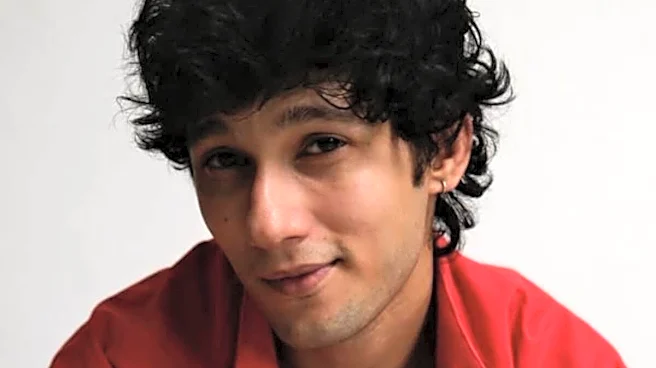
After winning praise for his performance in the latest season of Campus Beats, actor Suvansh Dhar is now opening up about the thought process that shapes his performances on screen. The young actor, whose portrayal in the show struck a chord with viewers for its subtlety and honesty, says staying emotionally connected to a role matters more to him than dramatic transformation.
Suvansh has been receiving appreciation for playing a gay character in Campus Beats 6 with restraint and authenticity rather than exaggeration. Audiences particularly noticed how naturally he approached the role, keeping the emotions grounded and relatable throughout the season.
Talking about how he begins preparing for any character, the actor shared that understanding
the script thoroughly is always his first priority. “First of all, reading the script again and again, understanding what the story is like and what part you fit in the story,” he explained.
For Suvansh, acting is not only about performance techniques but also about drawing from real-life observations and emotional memory. He said he often reflects on people he has known personally or individuals whose behaviour reminds him of the character he is playing.
“It depends on the personal experiences, if I have had any. Also, even observations, like seeing somebody close to the character, recalling somebody I have met or I have been friends with and seeing how they used to talk, how they used to feel certain emotions,” he shared.
Interestingly, Suvansh says he does not always believe in disappearing completely into a role. Instead, he prefers holding onto parts of his own personality while performing, as it helps him stay truthful on screen.
“Not just trying to be somebody but also having your essence in portraying something because all of these things come from me only, so I don’t want to forget myself also when I’m doing particular roles. I want to add a bit of Suvansh in my characters also, which I try to do.”
At the same time, the actor acknowledged that every role demands a different approach. While some characters require complete immersion, others — especially youth-oriented stories — leave space for actors to bring their own individuality into the performance.
“I think it depends on what story and what character you are playing. In some characters, you have to totally forget yourself and be the character, but somewhere in the youth shows, you can still have a part of yourself in the character, which is what I feel,” he added.



/images/ppid_a911dc6a-image-177919012624619055.webp)


/images/ppid_a911dc6a-image-177921471696922162.webp)
/images/ppid_a911dc6a-image-177920067382870368.webp)

/images/ppid_a911dc6a-image-177933357993933070.webp)