



Every country has its own customs and social norms, but some differences are striking enough to leave travellers genuinely surprised. An Indian woman who recently explored Thailand shared the four biggest “cultural shocks” she experienced during her visit.
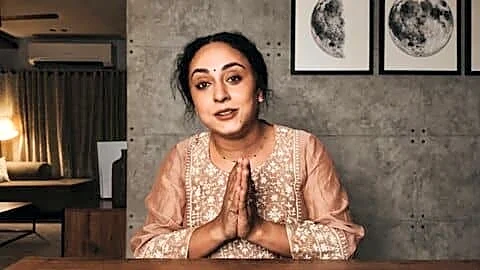
Taking to Instagram, the woman named Shreya Mahendru posted a video in which she listed the aspects of Thai culture that surprised her most. The first thing that caught her attention was the prominent role women play in the country’s workforce. “The women here literally running everything. Small businesses, food stalls, tech companies, you name it. Over 60 per cent female workforce participation,” she said.
Her second observation was about visiting temples. She shared that visitors can enter
outdoor temple premises wearing shorts and slippers without facing any moral policing or judgment. However, she revealed that indoor temple areas follow stricter rules. She added, “No sleeveless tops, no shorts, no footwear. Doesn’t matter if you’re a man or a woman, same standards for all.”
The third cultural difference she pointed out was the visibility of red-light areas in Thailand. She said, “I know this sounds wild, red light areas are not hidden or sketchy here. They’re just out in the open, way more visible than what we’re used to and it’s normalised in a weird different way.”
Her final and favourite observation was the freedom she felt while dressing. “You can wear whatever the hell you want. Crop tops, short skirts, tank tops, zero harassment, zero stares, zero safety concerns, just freedom,” she explained.
Internet Agrees With Her Observations
The video has since drawn mixed reactions online, with many travellers agreeing with her observations and praising Thailand for its sense of safety and equal enforcement of rules.
“I totally agree with you. Never felt like a stranger and felt so free in Bangkok,” said a user.
“Agree… have never felt unsafe even riding solo after 1 pm in Bangkok. Food and people are love,” wrote another user.
“So true, was surprised to see that very few men were working nd women were working almost everywhere. Looked like women are the primary earners in the family,” an individual shared.
“It’s definitely cleaner,” noted a different individual.







/images/ppid_59c68470-image-178523505730894803.webp)

/images/ppid_59c68470-image-17852351931261499.webp)