
/images/ppid_59c68470-image-178850258419182607.webp)
As rescue teams race against time to find survivors trapped inside hydropower tunnels after Nepal’s devastating August 26 floods, an unlikely tool has emerged as a crucial part of the operation—a WhatsApp group of more than 500 engineers and hydropower experts.
The group, created by engineers before the catastrophic flood swept through the Trishuli valley, has evolved into a real-time technical support network for rescuers trying to navigate hydropower projects buried under tonnes of mud, rocks and debris.
The stakes are enormous. Authorities believe around 900 people reported missing from six hydropower plants in the affected valley may have taken shelter inside tunnels or been trapped there when the wall of water, mud and rock struck. At least
three of the affected projects were under construction.
ALSO READ | ‘Stayed Behind To Save Others’: Nepal Tunnel Survivor Rescued After Nine Days Recounts Ordeal
The WhatsApp group is helping rescuers answer one of the most basic but difficult questions: Where exactly are the tunnels?
‘Send Me Layout Drawings’
According to The Kathmandu Post, a glimpse of how the group is being used came when a government official posted a request for the layout drawings of the Chilime hydropower project.
Within minutes, an engineer shared drawings, showing the powerhouse and access tunnels, providing rescuers with information that could help determine where to dig and how to approach the buried facility, Reuters reported.
The group has expanded since the disaster, bringing in more engineers and people familiar with the design and operation of the affected hydropower plants. Rescue workers have also sought help from former employees who know the underground tunnel networks, with technical drawings shared through the group proving particularly useful.
Why The Tunnels Matter
The possibility that workers survived by reaching underground spaces has given rescuers a reason to continue searching even as the overall death toll has crossed 1,200 and thousands remain missing.
ALSO READ | Listening Devices, Drilling, And A ‘Faint Voice’: How 2 Men Were Rescued From Inside Nepal Tunnel
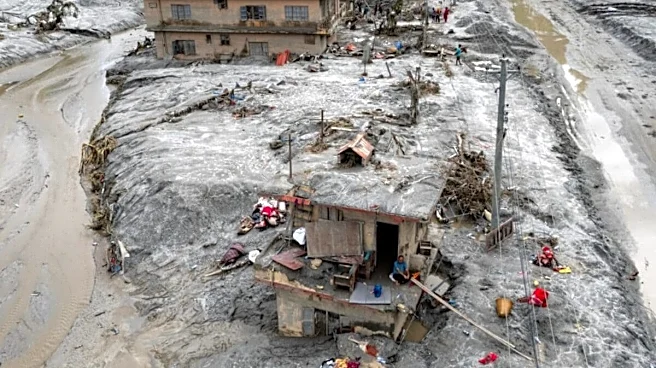
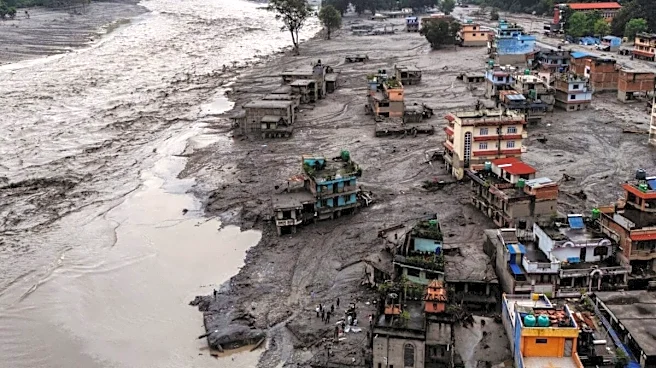
The flood dumped an estimated 2.2 million tonnes of mud and debris across the valley, making even the entrances to the tunnels difficult to locate. In several places, the underground networks have themselves been altered or partially filled by the disaster.
Nepal Army spokesperson Raja Ram Basnet described the situation as far more complicated than a conventional blocked tunnel, saying the flood had changed the surrounding terrain and tunnel structures while filling them with mud, rocks, soil and other debris.
At Rasuwagadhi hydropower plant, rescuers managed to move around 250 metres into one tunnel before encountering a blockage. Officials believe as many as 46 people could be trapped in a chamber, where they may have access to food and water. Rescue teams are preparing to try again.
At the Upper Trishuli 3A hydropower project, rescuers took almost six days just to reach the tunnel entrance because it was buried. Pipes have since been used to supply oxygen into possible cavities where survivors could be trapped.
First Breakthrough
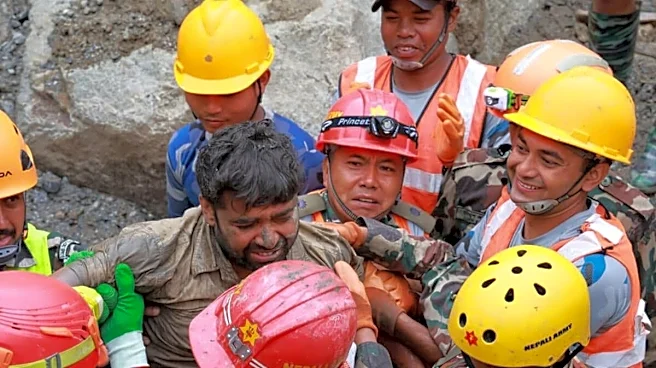
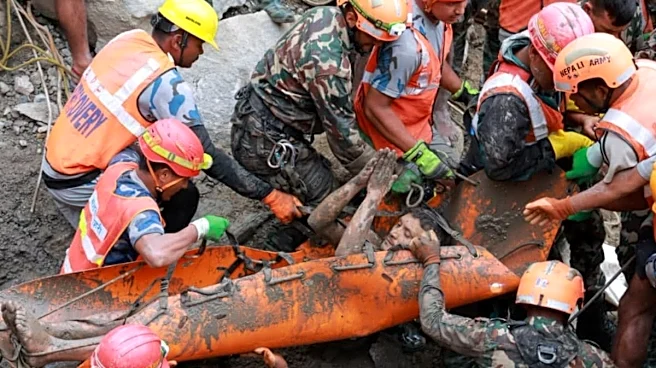
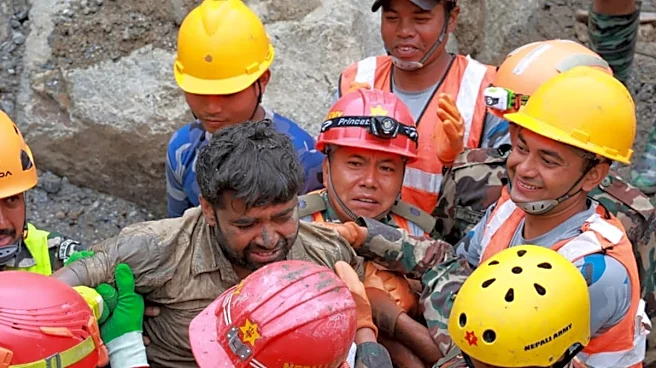
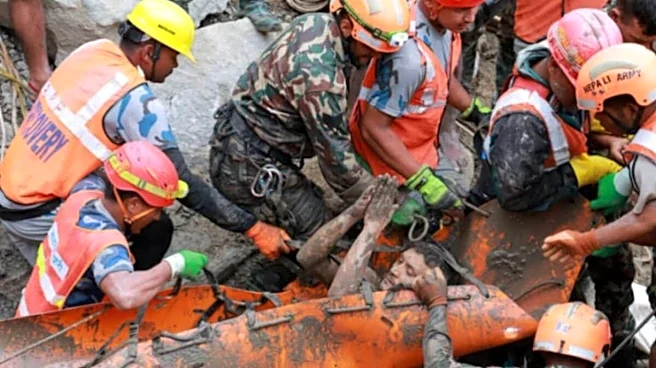
The search received a major boost on Friday when two workers were pulled alive from a tunnel linked to the Upper Trishuli 3A project, nine days after the disaster.
The two men were identified as mechanical foreman Sanjay Sah and mechanical supervisor Kabir Maharjan. Their rescue was the first major breakthrough in the search of the hydropower tunnel network, raising hopes that others could still be alive underground.
Their survival has strengthened the case for continuing the painstaking tunnel searches despite the enormous risks involved.
A Disaster That Also Hit Nepal’s Power Sector
The hydropower facilities became especially vulnerable because the flood tore through a valley that has emerged as a major centre of Nepal’s electricity generation.
Rescue teams are searching six hydroelectric sites, while the disaster itself wiped out around 10 per cent of Nepal’s electricity generation capacity, according to Reuters.
For rescuers, however, the immediate priority is not restoring power but finding people who may still be alive.
ALSO READ | The Danger Beneath The Surface: Why Nepal’s Deadly Floods Were So Hard To Predict
With helicopters surveying the devastated valley, excavators removing massive boulders and soldiers digging through debris, the engineers’ WhatsApp group has added something equally important: the memory and technical knowledge of the people who know what lies beneath the rubble.
In a disaster where entire sections of the landscape have been erased, old tunnel maps and messages from engineers are helping rescuers reconstruct the underground world and perhaps find those who survived inside it.
/images/ppid_59c68470-image-178849012269959679.webp)

/images/ppid_59c68470-image-178850502904780599.webp)
/images/ppid_59c68470-image-178850009900790369.webp)