
/images/ppid_59c68470-image-177936754262031521.webp)
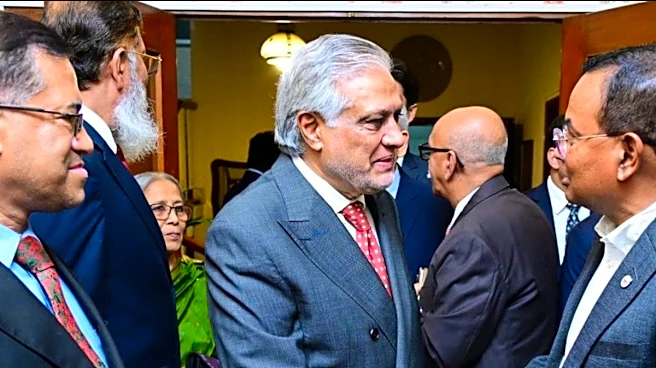
Backchannel diplomacy appears to be gaining momentum as mediators scramble to prevent a wider regional conflict between the United States and Iran. According to sources, Pakistani intermediaries are pushing what is being described as a last-ditch peace initiative aimed at halting further escalation and reopening negotiations between US and Iran.
The proposed draft agreement, currently under discussion, lays out a broad framework designed to immediately de-escalate tensions across the Middle East. At the heart of the proposal is an immediate, comprehensive and unconditional ceasefire across all fronts. The draft reportedly seeks to freeze military activity while creating space for formal negotiations on unresolved disputes.
One of the key provisions
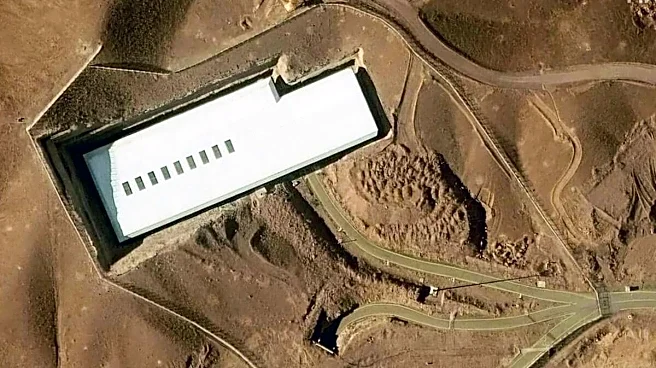
in the proposed framework is a mutual commitment to refrain from targeting military, civilian or economic infrastructure. The clause is particularly significant given recent fears of attacks on oil facilities, shipping lanes and strategic installations that could destabilise global energy markets and disrupt regional trade.
The draft also calls for a halt to all military operations and the cessation of what it describes as “media warfare,” signalling an attempt to reduce not just armed confrontation but also the information campaigns and rhetoric that have fuelled tensions in recent weeks.
Another major component of the proposal focuses on sovereignty and non-interference. Both sides would reportedly commit to respecting territorial integrity and avoiding interference in each other’s internal affairs — a longstanding sticking point in US-Iran relations.
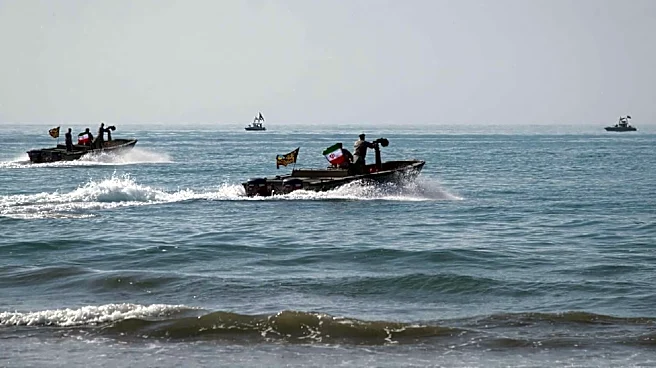
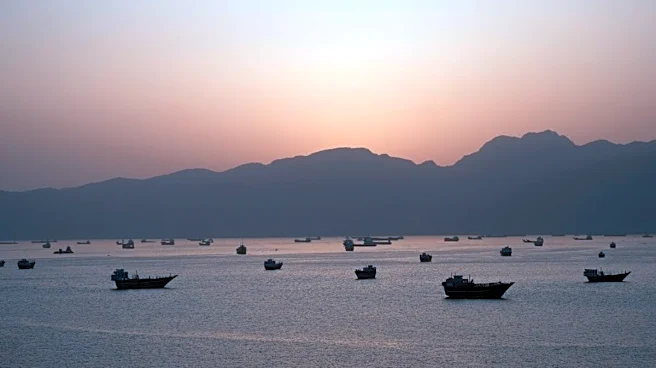
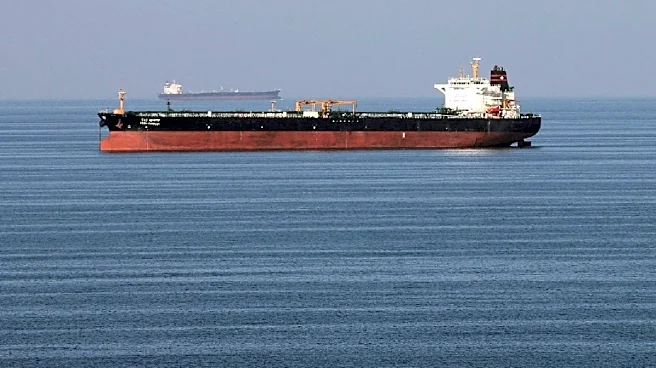
Importantly, the agreement also addresses maritime security. The draft includes guarantees for freedom of navigation in the Arabian Gulf, the Strait of Hormuz and the Sea of Oman. The provision is being closely watched internationally because nearly a fifth of the world’s oil supply passes through the Strait of Hormuz, making stability in the region critical for global energy prices and trade routes.
To ensure implementation, the proposal includes the establishment of a joint mechanism for monitoring compliance and resolving disputes. Negotiations on unresolved issues are expected to begin within seven days of the agreement taking effect.
In a major diplomatic concession, the draft also reportedly includes the gradual lifting of U.S. sanctions in exchange for Iran’s adherence to the agreement’s provisions. The framework further emphasises compliance with international law and the United Nations Charter.
If accepted, the agreement would reportedly come into force immediately following an official announcement by both Washington and Tehran, potentially marking a significant breakthrough after years of hostility and repeated regional crises.



/images/ppid_59c68470-image-177960252637611101.webp)