



In some cities, food is about variety. In others, it’s about nostalgia. In Prayagraj, it’s a bit of both. The flavours here don’t change much with time, and that’s exactly the point. Recipes stay close to memory. Streets stay loyal to what works.
In a viral clip from Sheher Prayagraj Episode 2, we learn that eating is less about indulgence and more about belonging. Among dozens of local favourites, two names surface again and again. A samosa shop everyone trusts. And guavas that the city takes personal pride in.
The Samosa That Rewired Expectations
Ask anyone for directions to Hari Ki Dukaan or Jagaram Sweets and you won’t need Google. The samosa here is small. Almost deceptive. One bite changes that assumption. Made with mashed old potatoes slow-cooked
in generous ghee and desi spices, the filling is sharp, fragrant, and unmistakably Prayagraj.
The craft has survived nearly a century, now run by the fourth generation of the same family. These samosas are known to last up to 15–20 days without spoiling, which explains why they travel to London, America, and Australia tucked into suitcases. At weddings, festivals, even farewell rituals, they show up like a rule. Eat one and suddenly other samosas feel like a compromise.
What makes ‘Allahabadi amrood’ from Prayagraj famous across India?
Allahabadi amrood is renowned for its exceptional quality and unmistakable identity. Its superior taste, cultural significance, and geography-driven uniqueness set it apart from guavas grown elsewhere. Over time, this seasonal fruit has become one of Prayagraj’s strongest culinary signatures, recognised far beyond the city.
What are the unique varieties of Allahabad guavas?
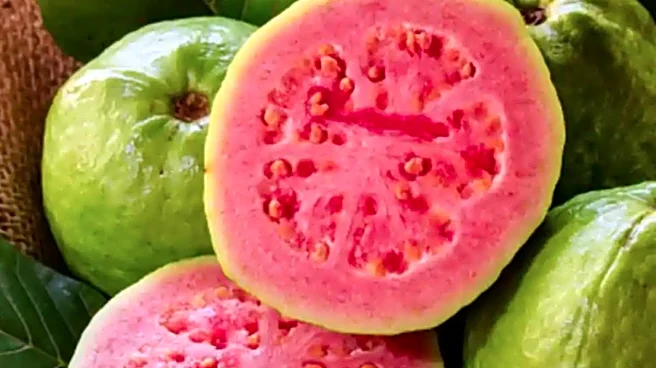
Two varieties dominate the conversation. The Surkha guava stands out with its apple-shaped red exterior, juicy pink flesh, heady aroma, and intense sweetness, earning it the nickname “heavenly delight.” The Safeda variety, with its white and firm flesh, is milder and widely used for table consumption, jams, and juices.
How do geographical factors enhance the qualities of Allahabad guavas?
These guavas grow in the fertile fruit belt of Muratganj and Chail blocks near the Sangam, where the Ganga, Yamuna and the mythical Saraswati meet. The local soil and climate sharpen the fruit’s flavour, colour and scent. Orchards closer to the Sangam consistently produce guavas with a deeper pink hue and stronger aroma.
What is the cultural legacy associated with Allahabad guavas?
Poet Akbar Allahabadi famously described these guavas as fit for paradise, a line that helped cement their mystique. Even today, during winter festivals, Allahabadi amrood often replaces sweets as gifts, largely due to its short shelf life and seasonal exclusivity.
What official recognition have Allahabad guavas received?
The Allahabad Surkha guava received a Geographical Indication (GI) tag in 2008. The recognition, held by local producers, confirms its exclusive origin and protects its distinct qualities from imitation.
How can authentic Allahabadi Surkha guavas be identified?
Authentic Surkha guavas are large and round with slight depressions at both ends, thin pink-to-apple-red skin, and thick deep pink flesh with relatively few seeds. They are intensely sweet, aromatic, firm yet yielding to gentle pressure, and have a noticeably short shelf life. Genuine produce is best sourced from verified Prayagraj sellers or GI-tagged packaging.
What are the key differences between Allahabadi Surkha and Allahabad Safeda guavas?
Surkha guavas feature pinkish-red skin, deep pink flesh, strong aroma, and rich sweetness, making them ideal for fresh consumption. Safeda guavas have lighter skin, white flesh, milder sweetness, and are better suited for processing. While Surkha holds a GI tag, Safeda does not.
What are the cultivation notes for these guava varieties?
Surkha guavas thrive best in Prayagraj’s Doaba region near the rivers, which enhances their colour and flavour. Safeda varieties are more adaptable, offering higher commercial yields across multiple regions in India.
What are the notable health benefits of Allahabadi Surkha guava?
Rich in vitamin C, dietary fibre and antioxidants, Surkha guavas boost immunity, aid digestion, support heart health, help regulate blood sugar, promote skin health, and assist in weight management. Minerals like potassium and magnesium also help reduce stress and improve overall well-being.
What additional perks does Allahabadi Surkha guava offer?
The fruit has antimicrobial properties that soothe coughs, supports respiratory health, strengthens bones due to its mineral content, and is best enjoyed fresh during winter when Prayagraj’s guavas are at their peak.
A city that feeds more than hunger
Prayagraj’s flavours don’t chase trends. They hold their ground. A small samosa that beats bigger ones. A guava that outsells sweets. Together, they explain the city better than any guidebook. Here, food is identity. And once tasted, it stays with you long after you’ve left.



/images/ppid_a911dc6a-image-177092774715746114.webp)

/images/ppid_a911dc6a-image-177092767520012684.webp)
/images/ppid_a911dc6a-image-177092763347449403.webp)
/images/ppid_a911dc6a-image-177092652580356823.webp)