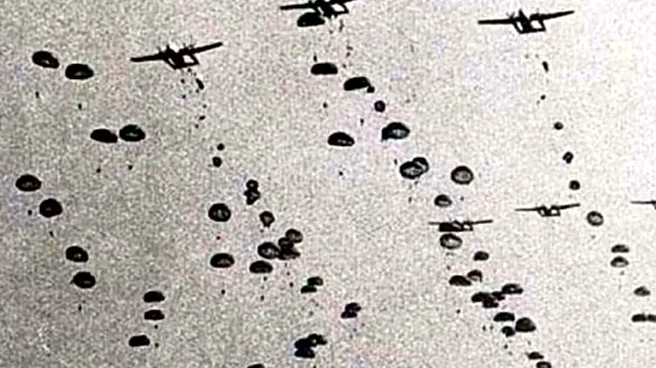

Wars are not always decided by firepower alone. Sometimes, the decisive blow is psychological. The 1971 India-Pakistan war, which resulted in the creation of Bangladesh, is remembered for acts of military
valour. But one little-known story from those dramatic December days shows how a single photograph helped break the enemy’s will to fight.
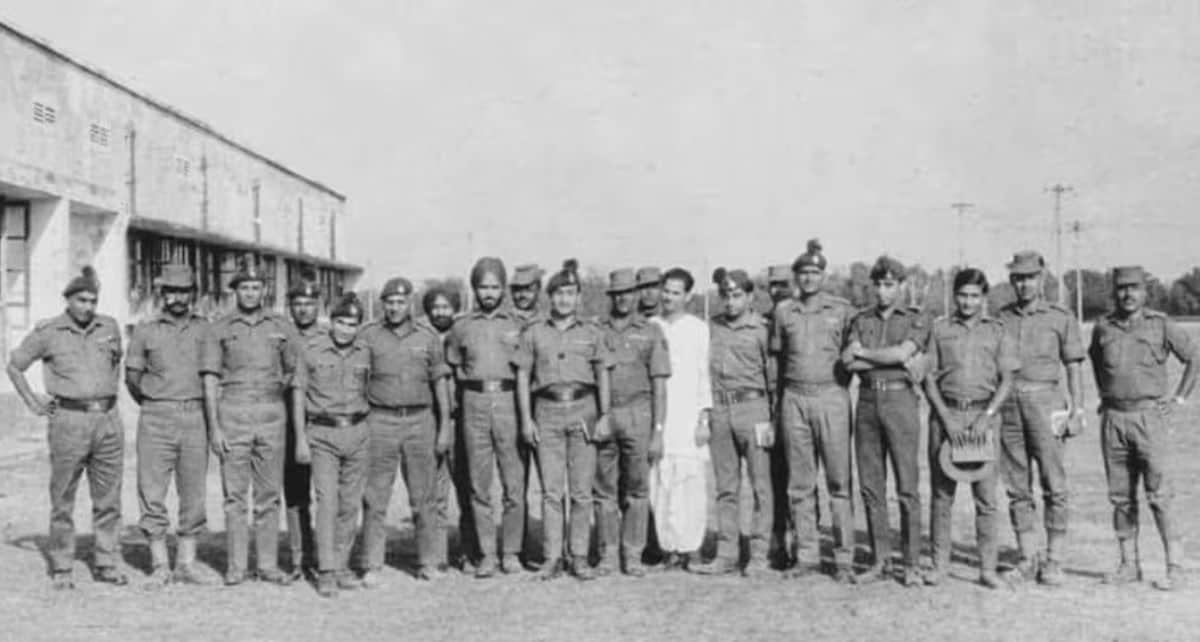
Four days into the war, tension gripped what was then East Pakistan. Indian troops were advancing rapidly, but the outcome remained uncertain. At Army Headquarters in Delhi, Lieutenant Colonel Ram Mohan Rao, Public Relations Officer to Chief of Army Staff General Sam Manekshaw, received a pointed reminder from Major General Inderjit Singh Gill, Director of Military Operations, that a major operation was under way and the world needed to know.
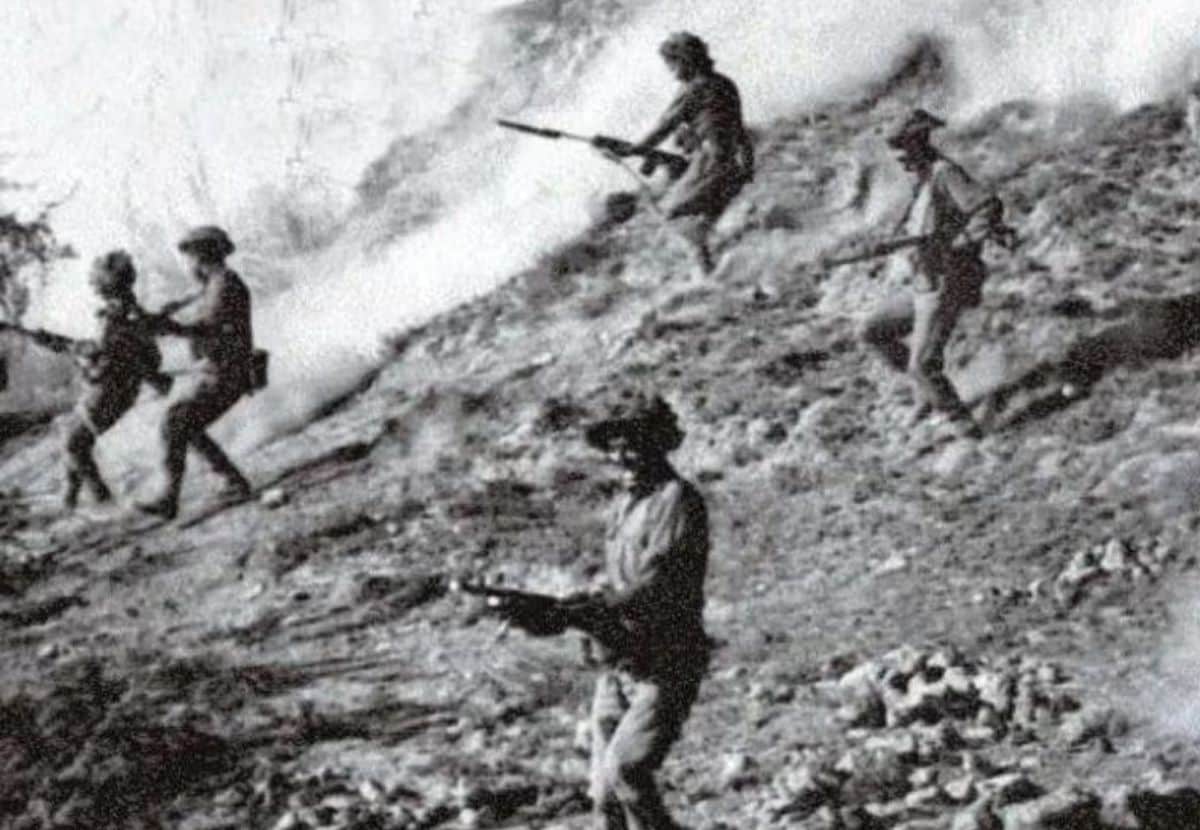
That “big operation” was the Tangail airdrop, the Indian Army’s first major airborne assault. The plan was audacious. The 95 Mountain Brigade was pushing towards Bangladesh, but crucial bridges over the Jamuna river risked being destroyed by retreating Pakistani troops. Losing those bridges could have stalled the advance and prolonged the war.
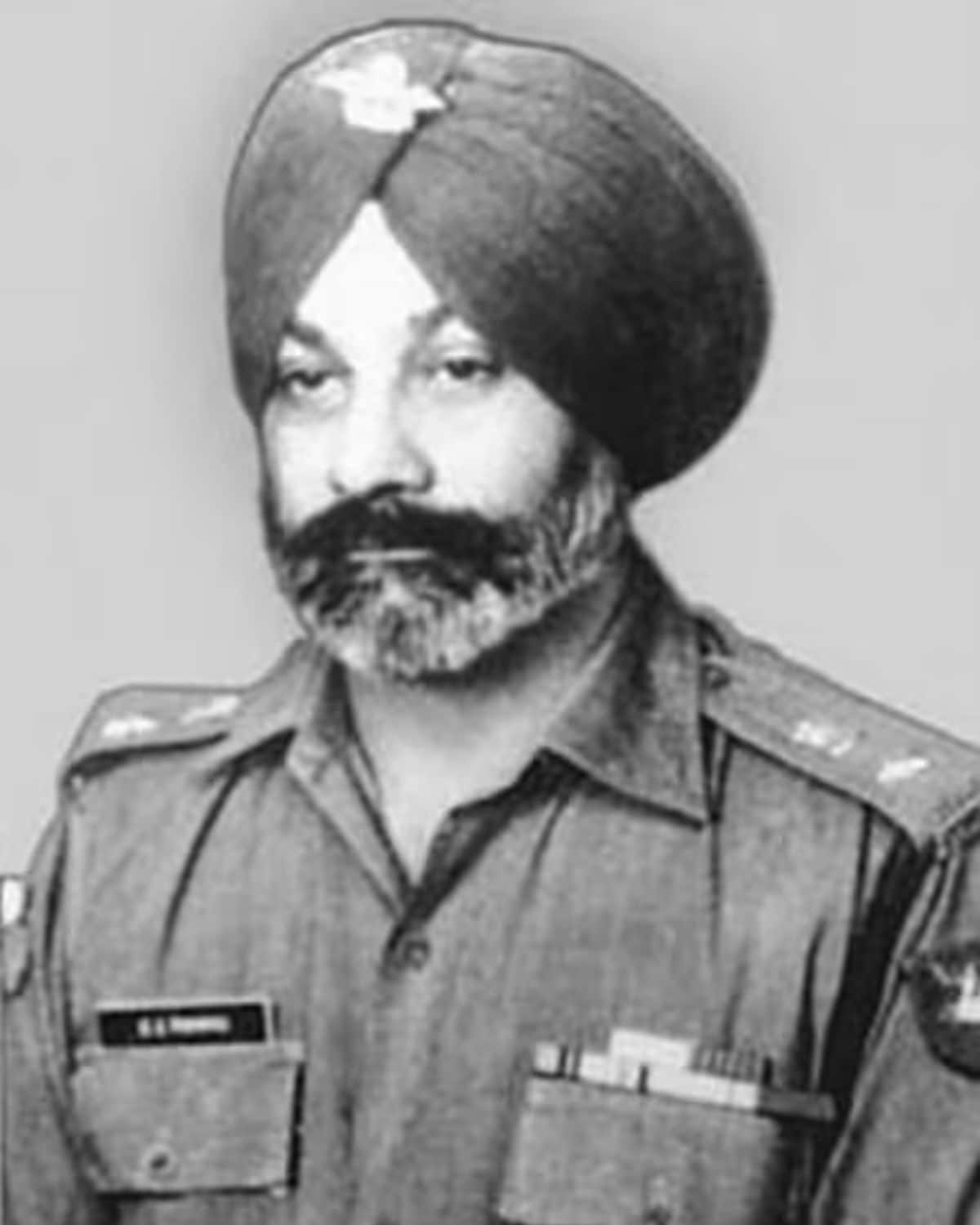
To prevent that, the Army decided to drop paratroopers deep behind enemy lines near Tangail to seize the vital Poongli Bridge. On December 11, 1971, about 50 Indian Air Force transport aircraft lifted off from Dum Dum and Kalaikunda. On board were paratroopers of 2 Para Battalion, led by Lieutenant Colonel Kalwant Singh Pannu, soldiers of the Maratha Light Infantry now trained to drop from the skies.
Despite wind drift and scattered landings, between 700 and 800 paratroopers were on the ground by late afternoon. Assisted by Mukti Bahini fighters under the legendary Kader “Tiger” Siddiqui, the battalion regrouped and moved swiftly to secure the bridge. That night, a fleeing Pakistani convoy drove straight into Indian gunfire. By dawn, the bridge, and the road to Dhaka, was firmly in Indian hands. India lost four soldiers; Pakistani casualties were reported to be 143.
But in Delhi the next morning, Rao noticed something amiss. Newspapers carried little about the dramatic airdrop. When he called Eastern Command, the answer was simple; there were no photographs. The official photographer had not yet returned with the film. Editors, denied visuals, had downplayed the story.
Rao understood the cost of this missed opportunity. In war, perception shapes reality. And then he remembered that a year earlier, the same parachute brigade had staged a massive training exercise in Agra. The sky had been filled with parachutes, and the photographs still existed.
He rushed to the Defence Ministry’s photo division, retrieved one such image, and released it to the global media with a carefully crafted caption, “Indian Para Brigade troops land in East Pakistan”. It was factually accurate, but Rao chose not to mention that the photograph was from a previous exercise.
Within a day or two, major newspapers across the world, from The Times of London to The New York Times, carried the striking image of hundreds of parachutes descending from the sky.
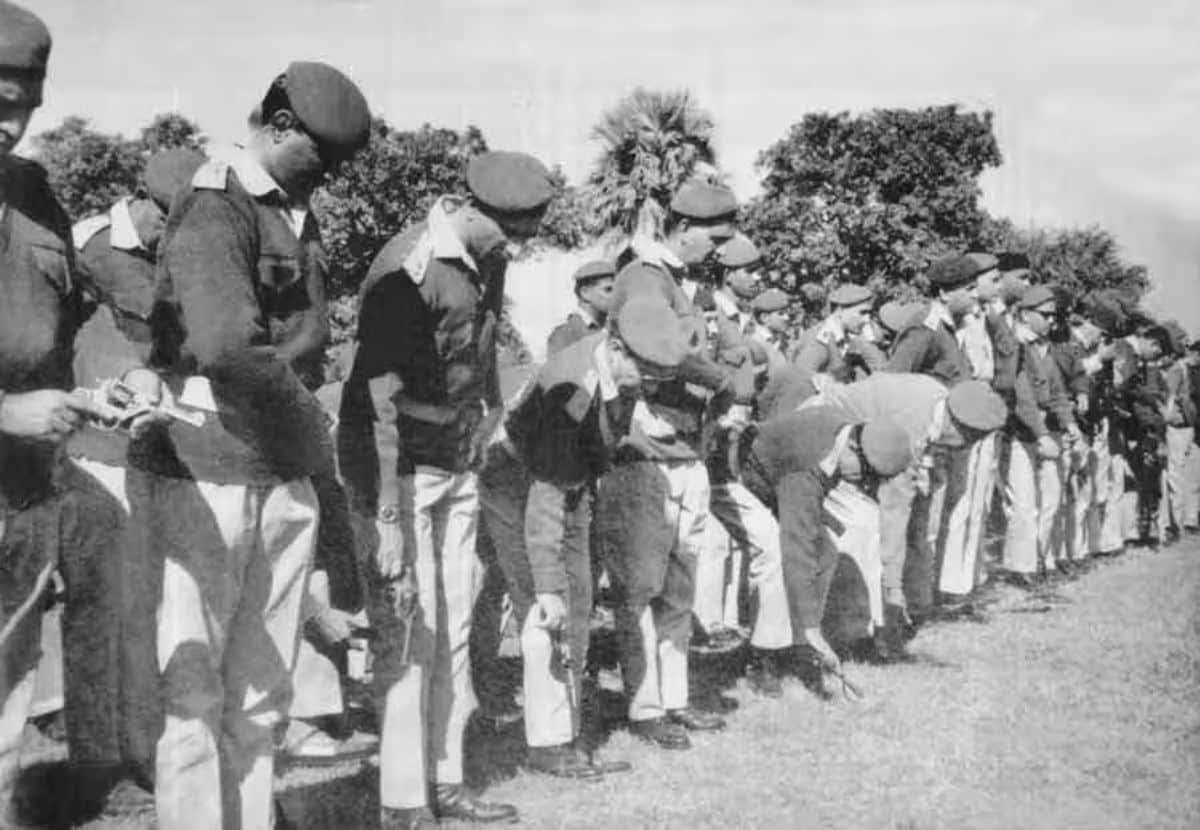
A week later, on 16 December, Lieutenant General AAK Niazi surrendered in Dhaka.
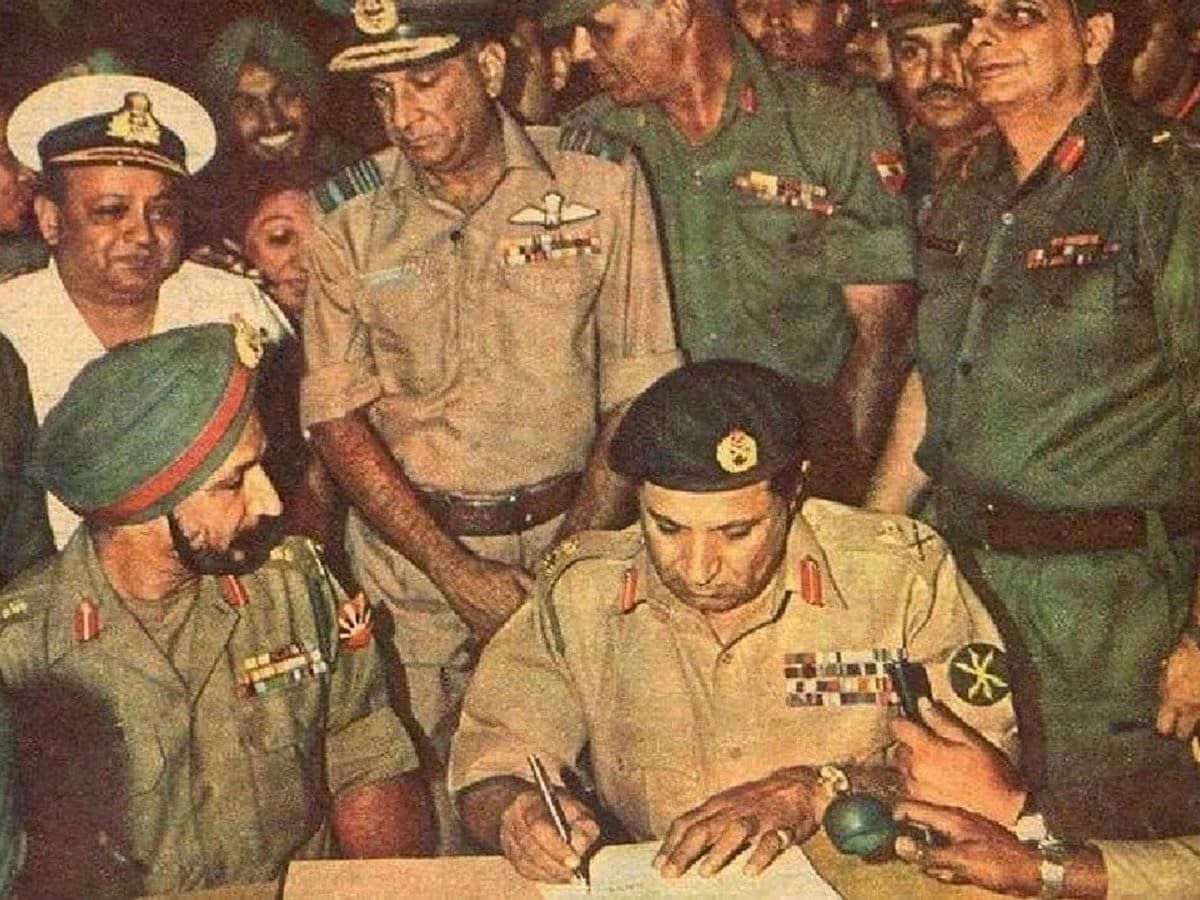
The story of what had influenced him emerged only afterwards. According to an Indian officer who returned from Dhaka, Niazi pointed to the Times photograph when asked why he had capitulated so swiftly. “You say you dropped only one battalion?” he reportedly said, his voice shaking, “Look at this picture. I thought you had dropped an entire brigade on me.”
In reality, fewer than a thousand Indian paratroopers had landed at Tangail, some accounts place the number closer to 540. But the photograph created the impression of an overwhelming Indian presence around Dhaka. Senior officers later acknowledged that the image had a deep psychological impact on Niazi, convincing him that resistance was futile.
Rao later had to explain to his superiors why he had not fully identified the photograph. But by then, the war was over, and thousands of lives had been saved.
/images/ppid_a911dc6a-image-177101403147018469.webp)

/images/ppid_a911dc6a-image-177101053501199609.webp)
/images/ppid_59c68470-image-177101003680064644.webp)





/images/ppid_59c68470-image-177100753350744656.webp)
/images/ppid_a911dc6a-image-17710070301901476.webp)
/images/ppid_a911dc6a-image-177100572282276854.webp)