
/images/ppid_a911dc6a-image-177527006551277659.webp)
/images/ppid_a911dc6a-image-177526965606528429.webp)
A fresh spell of unstable weather is set to sweep across Maharashtra over the next few days, with the India Meteorological Department (IMD) warning of rain, thunderstorms and gusty winds between March 30 and April 4, according to a report by The Indian Express.
The forecast indicates that parts of Marathwada, north Maharashtra and western Vidarbha are likely to bear the brunt of this system. These regions may reportedly experience light to moderate rainfall accompanied by lightning, cloudy conditions and isolated hail events, along with strong winds.
The development comes amid already soaring temperatures across the state. Several districts, including Akola, Solapur and Jalgaon, have recently recorded temperatures above 40 degrees Celsius, pointing
to a sharp contrast between prevailing heat and the incoming weather disturbance.
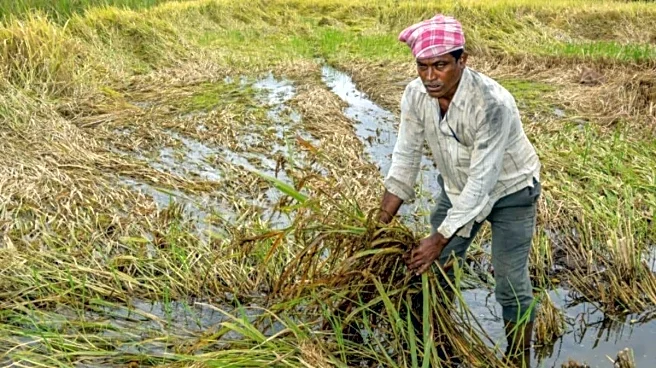
While the showers may bring temporary respite from the heat, officials have flagged concerns over the timing of the rainfall, particularly for the agricultural sector. With the rabi harvest currently underway, the unseasonal precipitation and hail could damage crops both in the field and post-harvest.
Citing the report, the state Agriculture Department has advised farmers to take precautionary steps to minimise potential losses. Harvested produce should be shifted to covered storage facilities, and in cases where that is not possible, crops must be protected using waterproof coverings. Farmers have also been asked to complete harvesting and spraying activities ahead of the expected weather shift.
Authorities have issued safety advisories for residents as well, cautioning against taking shelter under trees, electricity poles or temporary structures during thunderstorms due to the risk of lightning strikes.
The warning follows a warmer-than-usual March across Maharashtra. Apart from the districts crossing the 40-degree mark, others such as Ahmednagar, Aurangabad and Satara have also reported temperatures nearing 38 degrees Celsius, underlining the intensity of pre-summer conditions this year.
Officials said the evolving weather pattern highlights increasing variability during the transition into summer, raising concerns for both public safety and farm productivity.









/images/ppid_a911dc6a-image-177527355583124562.webp)

/images/ppid_a911dc6a-image-177527352473822042.webp)
/images/ppid_a911dc6a-image-177527283178850850.webp)