
/images/ppid_59c68470-image-178789256152938237.webp)
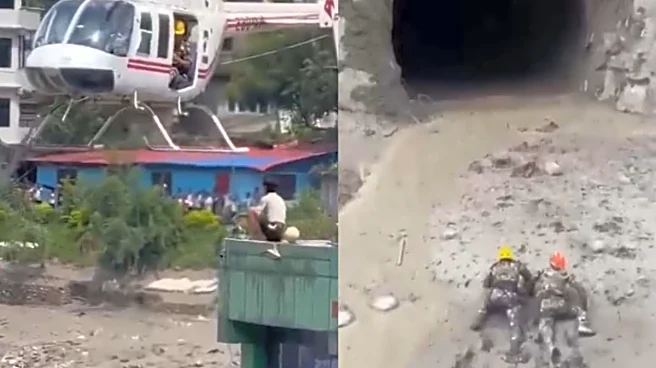
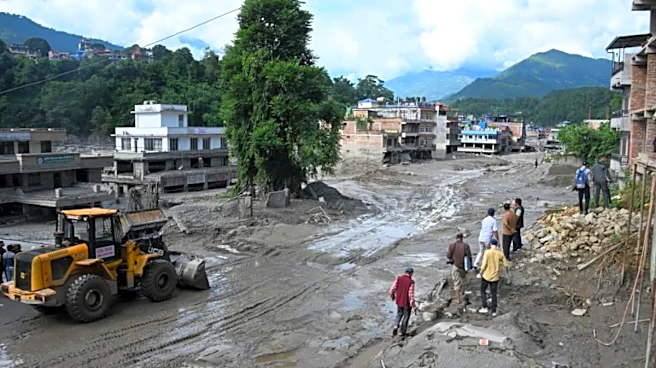
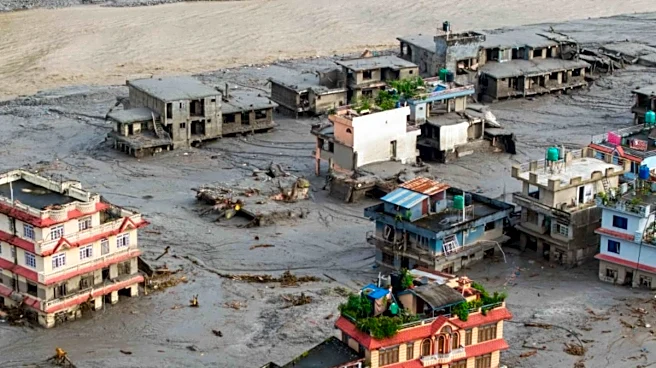
As Nepal continues a massive search-and-rescue operation following the devastating floods and landslides across the Trishuli and Bhote Koshi river corridors, the country’s security agencies are working to reach cut-off settlements and trace hundreds of missing people.
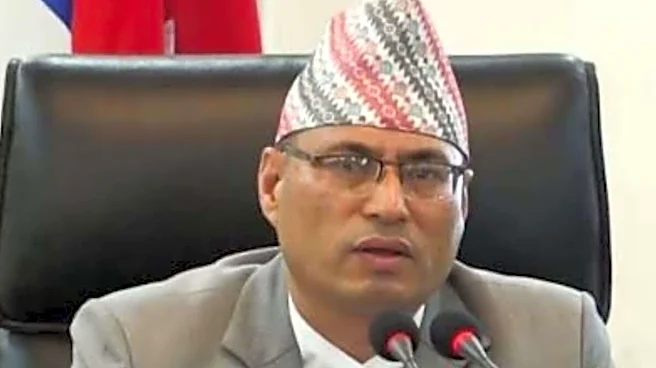
In an exclusive conversation with CNN-News18, Nepal Home Secretary Raj Kumar Shrestha said the Nepal Army, Nepal Police and Armed Police Force are jointly conducting rescue and relief operations, with the National Emergency Operation Centre coordinating the response.
Shrestha said Nepal is still assessing the scale of assistance it may require from India and other friendly countries, with additional relief supplies to be requested if needed. He also said there is no clarity yet on the extent
of China’s role in information-sharing or cooperation related to the disaster, while a longer-term policy for climate-resilient reconstruction remains under discussion.
As the search for missing Indian pilgrims, tourists and workers continues, Shrestha spoke to CNN-News18 about Nepal’s ongoing rescue efforts, coordination with India, the role of China and the challenges ahead in rebuilding the flood-hit Himalayan region.
Edited Excerpts:
The floods have swept away critical bridges, highways, and hydropower infrastructure. What immediate tactical adjustment is the Ministry of Home Affairs making to reach isolated settlements?
The Ministry of Home Affairs is operating the rescue and relief programme. Security agencies such as Nepal Army and Nepal Police, Armed Police Force are working there. Other local government arms also participating in the rescue and relief programme. We are working together.
With hundreds of foreign nationals, including a number of Indian pilgrimages and power projects workers, missing, how will the National Emergency Operation work now?
The National Emergency Operation Center is coordinating with the ministries and other organisations for relief and rescue.
So, this will continue and they can manage the show?
Yeah, it is working.
New Delhi has dispatched emergency relief supplies and temporary shelters. Is the equipment sufficient? And do you expect more?
We are discussing the same. When we need something, we will raise a request.
This disaster originated upstream near the Tibet border. This is affecting both sides of the frontier. How would you evaluate Beijing’s current level of border-level cooperation, information sharing regarding glacial runoff risk and joint search efforts?
It is not clear yet. Only after proper research will we know for sure.
As climate-induced hazards and glacial failures are increasingly threatening Himalayas, what policy framework is the ministry preparing in transition from short-term relief to climate resilient post-disaster development?
We are discussing that aspect. There is no decision yet.
/images/ppid_59c68470-image-178790759601490001.webp)

/images/ppid_59c68470-image-178788758278461735.webp)
/images/ppid_59c68470-image-178791253661980644.webp)
/images/ppid_59c68470-image-178790752923351718.webp)
/images/ppid_59c68470-image-178792002121588475.webp)