
/images/ppid_a911dc6a-image-177823803080054474.webp)

/images/ppid_59c68470-image-177822256212341788.webp)
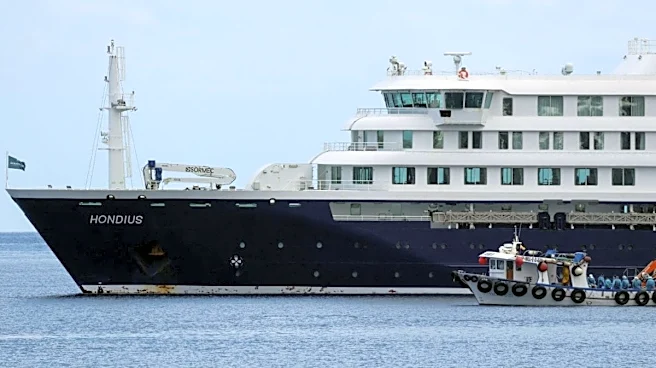
The recent hantavirus outbreak aboard the cruise ship MV Hondius has drawn global attention to this rare but potentially deadly disease, while also raising several questions—including the most basic one: what does “hanta” in hantavirus actually mean?
Hantavirus refers to a group of viruses collectively known for causing severe disease in humans, but the term “hanta” in hantavirus comes from the Hantan River in South Korea, where the virus was first identified during outbreaks among soldiers in the 1950s.
Over time, scientists discovered that these viruses are carried primarily by rodents and form a larger family of infections that exist naturally in wildlife across the world.
According to global health experts, hantaviruses are not spread through
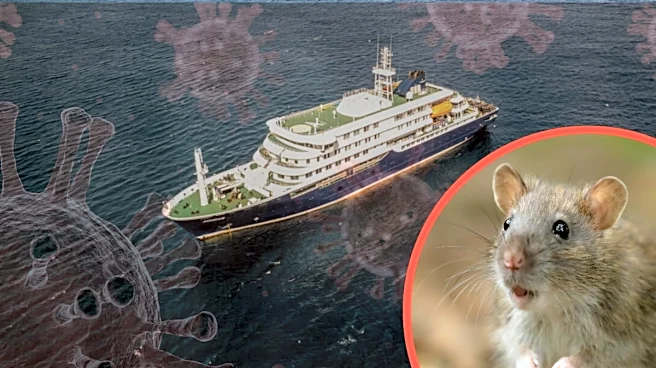
casual human contact or airborne transmission in the way respiratory viruses are. Instead, humans typically become infected when they inhale microscopic particles from rodent urine, droppings, or saliva, often in enclosed or poorly ventilated spaces.
In rare cases, some strains—such as the Andes virus found in South America—may allow limited person-to-person transmission among very close contacts, which is what makes the current outbreak on the cruise ship MV Hondius particularly unusual and closely monitored.
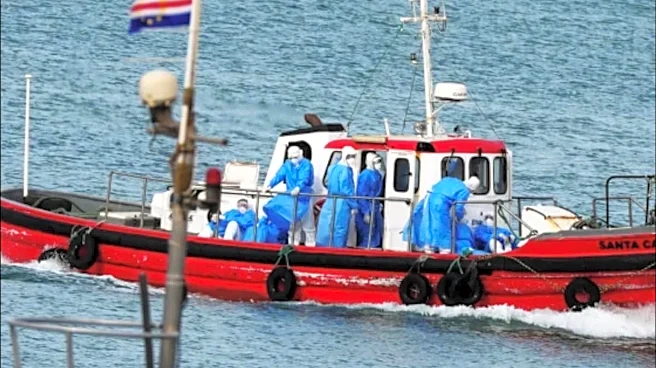
In the ongoing MV Hondius incident in the southern Atlantic, investigators believe the infection likely originated through exposure to rodents either before or during the voyage, as passengers moved through multiple remote coastal and island destinations.
Health agencies are still tracing the exact chain of transmission, but early findings suggest a combination of onboard exposure and potential secondary spread in close quarters.
Once inside the human body, hantavirus can cause severe illness, including hantavirus pulmonary syndrome (HPS), a condition that leads to rapid respiratory failure in many cases.
Symptoms often begin with fever, muscle pain, and fatigue before progressing quickly to breathing difficulties. There is currently no specific cure or vaccine, and treatment focuses on intensive supportive care.
Meanwhile, health authorities have reported five confirmed and four suspected cases of hantavirus linked to the cruise, with three fatalities so far as of May 8.
The MV Hondius outbreak has renewed attention on how enclosed travel environments, such as cruise ships, can amplify rare infections when early detection is delayed. However, WHO continue to emphasise that hantavirus remains rare, and the overall risk to the general public is considered low despite the severity of individual cases.

/images/ppid_a911dc6a-image-177839763343139352.webp)



/images/ppid_59c68470-image-177838005932973474.webp)

/images/ppid_59c68470-image-177848003710261605.webp)
/images/ppid_a911dc6a-image-177834442484455414.webp)
/images/ppid_a911dc6a-image-177846503631578287.webp)