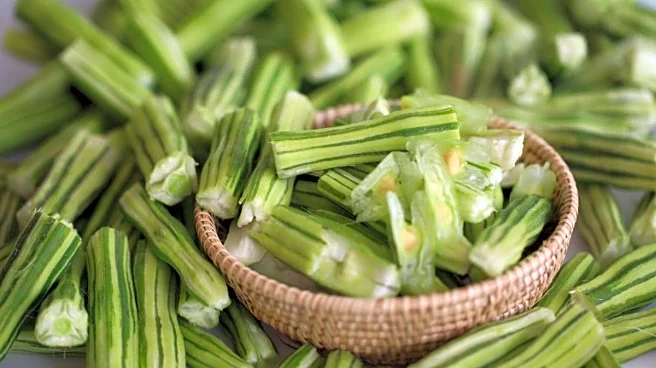




Drumstick – yes, the humble nuggekayi that adds magic to sambar, is now causing sticker shock across Bengaluru. The once-affordable vegetable has climbed the price ladder so drastically that it’s being compared to mutton. At some markets, a single drumstick (or Moringa) is selling for Rs 50, and in retail stores, the cost has hit Rs 600 to Rs 700 per kg.
For context, just a month ago, drumsticks were priced at Rs 150–200 per kg. Today, the same quantity is commanding more than three times the price, a jump that’s left both consumers and retailers gasping.
HOPCOMS is listing drumsticks at Rs 510 per kg. In some local markets, where three drumsticks once cost Rs 10, now buyers are being offered just two for Rs 50 or worse, none at all. Some vendors
have outright stopped selling them.
Why the Sudden Price Surge?
The price shock isn’t without cause. Several factors have collided to create a perfect storm:
- Massive supply crunch from Tamil Nadu: Karnataka imports a large share of its drumstick supply from Tamil Nadu. But this year, the harvest in Tamil Nadu has been significantly delayed, causing a 60 percent dip in supply.
- Cyclone Ditwah’s domino effect: The cyclone that recently affected Sri Lanka also disrupted coastal Tamil Nadu and parts of Karnataka. This natural disaster directly impacted crop cycles, further shrinking drumstick arrivals.
- Off-season in Karnataka: It’s also not the drumstick-growing season in Karnataka. Local farms are not producing, and there’s no backup supply.
The result? An aggressive spike in wholesale and retail prices. In K.R. Market, one of Bengaluru’s busiest wholesale vegetable markets a pair of drumsticks now costs Rs 100, a price that rivals that of small meat cuts.
Cultural and Nutritional Demand Keeps Prices High
Drumsticks aren’t just another vegetable in Indian cuisine. In South India, especially Karnataka and Tamil Nadu, drumsticks are considered essential in sambar, kurma, and even rasam. They are in demand for weddings, religious ceremonies, and other special occasions, making the price hike hit especially hard during the festive season.
Beyond taste, drumsticks carry a strong nutritional punch. The pods, leaves, and flowers are rich in iron, calcium, potassium, and antioxidants. They’re used in Ayurveda and home remedies, boosting immunity and digestion. So even with prices this high, many households are still trying to buy small quantities, especially for elders or children.
Not Just Drumstick—Other Vegetables Following Suit
While drumsticks have taken the limelight, other vegetables aren’t far behind. Tomatoes are now Rs 50 per kg, and prices of beans, carrots, and brinjal are slowly creeping toward the Rs 100 per kg mark. Retailers predict that unless rains stabilize and supply chains resume normal operations, these rates might persist for the next couple of months.
What This Means for Bengaluru Households
The surge has forced many households to rethink their weekly vegetable buys. Several homemakers have reportedly cut back on drumsticks entirely or are switching to frozen or dried versions. Restaurants and darshinis are also adjusting sambar quantities, or swapping out drumsticks with cheaper vegetables like ridge gourd or bottle gourd.
The bigger concern is that if this trend continues, even basic vegetarian meals may start feeling like luxury affairs. It’s not every day that you hear drumstick being mentioned in the same breath as mutton, but that’s exactly where Bengaluru finds itself right now.





/images/ppid_a911dc6a-image-177056958923976334.webp)

/images/ppid_a911dc6a-image-177056954333251786.webp)
/images/ppid_59c68470-image-177056752718269137.webp)