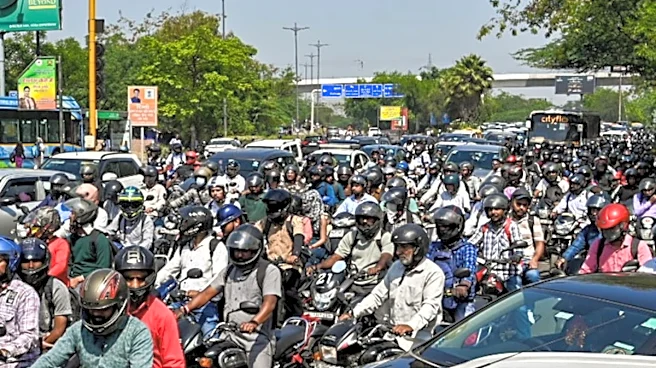



For office-goers in cities like Bengaluru and Mumbai, the journey home after work often feels like a daily endurance test. A commute that should ideally take 30 minutes frequently stretches into two or even three hours amid worsening traffic congestion.
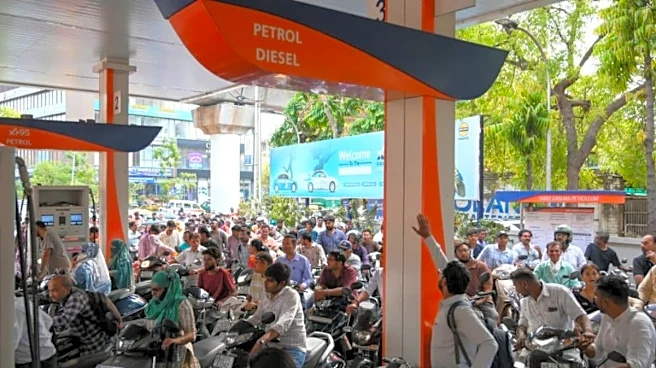
The debate around work-from-home (WFH) has once again returned to the spotlight after Prime Minister Narendra Modi appealed to citizens to reduce fuel consumption in the wake of the West Asia war. Among the suggestions was greater adoption of remote work wherever possible.
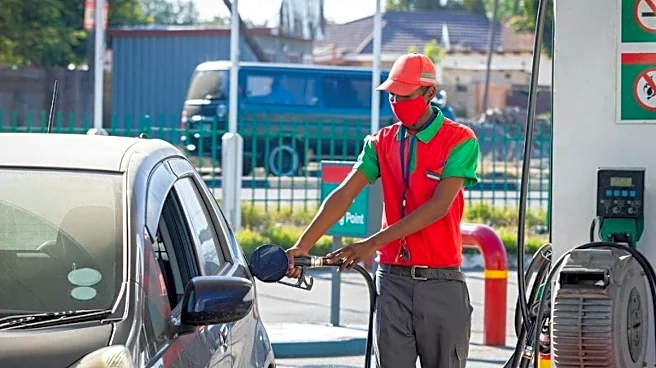
India imports nearly 85 per cent of its crude oil requirements, making fuel conservation a major economic concern. Experts say even limited remote work policies can help reduce fuel demand by cutting daily commuting.
During the
peak Covid-19 lockdown period, India’s oil import bill fell sharply as transport and industrial activity declined. India’s crude oil import bill dropped from around $101.4 billion in FY 2019-20 to nearly $62.2 billion in FY 2020-21.
While current conditions are nowhere close to lockdown levels, economists say measures like hybrid work could still help lower fuel consumption at a time of global uncertainty.
While many companies gradually rolled back WFH policies after the Covid-19 pandemic, citing concerns over productivity and coordination, employees often pointed to the benefits remote work brought to their lives — reduced travel stress, more family time, lower expenses and improved mental well-being.
Now, as governments, including the Delhi administration, encourage partial remote work for employees, the conversation has expanded beyond convenience. While WFH largely benefits employees, it could also address some of India’s biggest city challenges.
1. The Death of the “Deadly Commute”
In cities like Bengaluru, where traffic congestion has become a defining feature of urban life, work-from-home is increasingly being seen as an immediate relief measure.
Infrastructure projects often take years to ease congestion, but reducing the number of vehicles on roads can have an immediate impact. Even a two-day WFH policy for one lakh employees could remove nearly 50,000 vehicles from roads every day.
For millions of office-goers, this could mean an end to exhausting daily commutes that consume several hours and leave little time for personal life.
2. Breathing Room: A Win for Air Quality
Delhi has long been infamously described as a “gas chamber”, particularly during winter, when air pollution levels reach hazardous levels. Vehicular emissions remain one of the biggest contributors to the capital’s worsening air quality. Meanwhile, pollution levels in Mumbai have also witnessed a noticeable spike in recent years.
Although cities like Mumbai and Bengaluru generally record better air quality than several North Indian cities, traffic-related emissions continue to be a major source of pollution.
Environmental experts say reducing the number of vehicles on roads — even for a few days a week through work-from-home policies — could directly bring down PM2.5 and nitrogen dioxide emissions. Many also point to the sharp improvement in air quality witnessed during the Covid-19 lockdowns as evidence of how lower traffic volumes can significantly improve urban air conditions.
Fewer idling vehicles at key congestion points such as Silk Board in Bengaluru or the Western Express Highway in Mumbai could provide cities some much-needed breathing room while also easing pressure on already strained urban infrastructure.
3. Reclaiming Mental Health & “The Third Hour”
Mental health experts say long commutes contribute significantly to stress, fatigue and burnout among urban workers. Studies estimate that commuters in Tier-1 cities spend hundreds of hours every year stuck in traffic. Remote work allows employees to reclaim those lost hours for sleep, exercise, family interactions or personal time.
Employees working remotely often report better work-life balance, lower stress levels and improved emotional well-being due to reduced travel fatigue and greater flexibility.
4. The “Time Dividend”: Pursuing a Life Beyond the Desk
Experts describe the biggest advantage of remote work as a “time dividend” — the return of hours otherwise lost to commuting. Many professionals are using that additional time for fitness, skill development and hobbies. Gyms, parks and online learning platforms witnessed increased participation during the work-from-home years, especially among young professionals.
With less exhaustion from travel, employees are also more likely to engage in community activities, local initiatives and social interactions that are often neglected in fast-paced urban life.
5. Overpopulation & Congestion
India’s largest employment hubs — including Bengaluru, Mumbai, Hyderabad and Noida — continue to witness rapid migration as people move in search of jobs and better opportunities. This has contributed to overcrowding, rising rents, traffic congestion and mounting pressure on urban infrastructure.
Experts say wider acceptance of remote work could encourage professionals to remain in Tier-2 and Tier-3 cities while continuing to work for companies based in major metros. Over time, this could help reduce pressure on large urban centres and promote more balanced regional development across the country.

/images/ppid_a911dc6a-image-177867046160543099.webp)








/images/ppid_a911dc6a-image-177853008490398154.webp)