


/images/ppid_59c68470-image-178673006675214745.webp)
If social media is anything to go by, GenZ is all about weekend getaways, new experiences, online shopping and living in the moment. But a look at where their money actually goes paints a more practical picture.
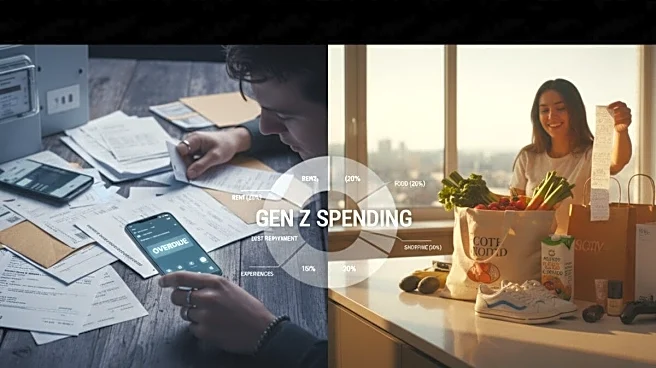
For India’s salaried GenZ, most of the monthly budget is being used for routine expenses rather than travel. A new SalarySe study found that travel accounts for only 5% of monthly spending, while bills, groceries and other regular commitments take up much larger portions of the wallet.
The findings are based on an analysis of millions of UPI transactions involving more than 5.2 lakh salaried Gen Z users.
The data suggests that the generation’s spending habits may be quite different from its lifestyle image online. While experiences and
travel remain popular, everyday needs continue to come first.
Bills, Groceries Take Up Most Of The Budget
Bills and subscriptions make up the biggest portion of monthly spending, accounting for 20.1%. Groceries follow at 15.7%, while financial services account for 12.2%.
Shopping takes up another 11.9%, followed by food at 11.5%.
Together, these five categories make up more than 70% of monthly spending.
The figures also show how closely digital payments are tied to everyday financial life. UPI and AutoPay have made it easier for young professionals to pay bills, manage subscriptions and access financial services through their phones.
Travel Isn’t Taking Over Gen Z Wallets
Travel may be one of the most visible parts of Gen Z’s lifestyle, but it makes up just 5% of monthly spending in the SalarySe study.
The finding suggests that young professionals may still want to travel and spend on experiences, but such expenses are not taking up a major share of their regular budgets.
Entertainment subscriptions are also part of the mix. Among the recurring entertainment subscriptions tracked in the study, JioHotstar accounts for 12.4%, followed by Netflix at 10.7% and Spotify at 5.6%.
Older Gen Z Puts More Money Into Essentials
SalarySe also compared two Gen Z age groups — those aged 18-23 and 24-29.
Discretionary spending remained unchanged at 32% for both groups. However, essential spending increased with age.
For Gen Z users aged 18-23, essentials made up 50% of spending. The figure rose to 59% among those aged 24-29.
The change suggests that financial priorities become more focused on necessities as young people get older and take on more responsibilities.
A Generation Managing Money Through Apps
Piyush Bagaria, Co-founder of SalarySe, said digital tools are playing a major role in how young Indians manage their finances.
“India’s Gen Z is the first generation to manage almost every aspect of its financial life through a digital-first ecosystem,” Bagaria told NDTV.
He said the widespread use of UPI has changed the way young professionals spend and manage their money.
So, while Gen Z may post the holiday, concert or shopping haul, the monthly reality is somewhat different. For many young salaried Indians, a large part of the pay cheque still goes towards the basics — keeping the lights on, buying groceries, managing finances and paying for food.




/images/ppid_59c68470-image-178673263008430794.webp)


/images/ppid_59c68470-image-178673253591052022.webp)

/images/ppid_59c68470-image-178673260880760444.webp)
/images/ppid_59c68470-image-178673257364895743.webp)