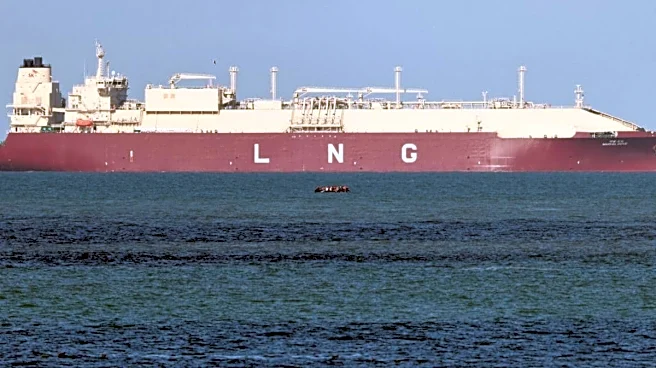




India has withdrawn emergency natural gas supply restrictions imposed during the US-Iran conflict after liquefied natural gas (LNG) shipments through the strategically important Strait of Hormuz resumed following a ceasefire agreement.
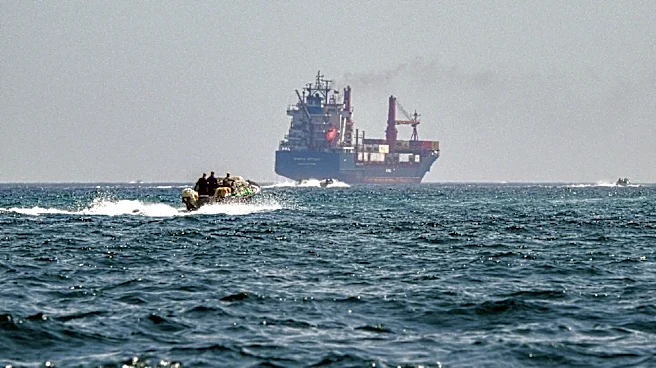
Several LNG suppliers had invoked force majeure clauses as the US and Israel carried out attacks on Iran and Tehran retaliated by effectively closing the Strait of Hormuz. The disruptions had necessitated the diversion of natural gas supplies to priority sectors, according to the Ministry of Petroleum and Natural Gas on Saturday.
On March 9, the Centre had notified the Natural Gas (Supply Regulation) Order, 2026, regulating production, sector-wise allocation, diversion, distribution, disposal, acquisition, use and
consumption of natural gas, including LNG and regasified LNG, to ensure equitable distribution and continued availability of natural gas.
ALSO READ: Iran Confirms Strait Of Hormuz Service Fees, Friendly Nations To Get ‘Special’ Treatment
The Ministry noted that the situation had significantly improved in West Asia, with energy flows returning to normal levels and LNG cargo movements stabilising through the Strait of Hormuz after the US and Iran agreed on a ceasefire.
As such, the Centre notified the Natural Gas (Supply Regulation) (Amendment) Order, 2026, withdrawing the emergency supply controls.
“The ongoing conflict in the Middle East that had resulted in the disruption of liquefied natural gas shipments through the Strait of Hormuz has been subject to a ceasefire, and negotiations are ongoing, as part of which, sea traffic through the Strait of Hormuz has been permitted to resume,” the notification said.
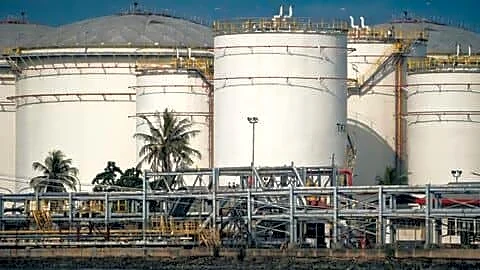
India imports about 88% of its crude oil requirements and around half of its natural gas needs. About 40-45% of its crude oil imports and nearly 65% of its LNG supplies come from West Asia, underscoring the country’s vulnerability to disruptions in the Strait of Hormuz, through which most Gulf energy exports are shipped.
While India diversified crude oil purchases by sourcing supplies from other producers, natural gas imports remained exposed because most LNG cargoes from Qatar pass through the Strait of Hormuz, which carries 20% of the world’s energy exports.
/images/ppid_a911dc6a-image-178332967523220958.webp)

/images/ppid_59c68470-image-178341006408344713.webp)

/images/ppid_a911dc6a-image-178321522449248304.webp)
/images/ppid_59c68470-image-178327252647413298.webp)
/images/ppid_a911dc6a-image-178316842164059174.webp)