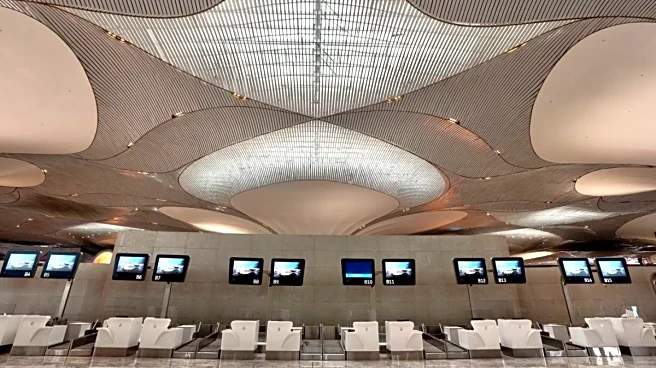



The Navi Mumbai International Airport Ltd (NMIAL) is set to begin commercial operations on December 25. It will deploy a digital-first passenger communication system anchored by free high-speed Wi-Fi.
As per a report by PTI, the passengers connecting to the airport’s Wi-Fi network will receive real-time updates through the Adani OneApp, which will serve as a virtual assistant, guiding them across key touchpoints at the terminal.
This Wi-Fi-enabled app will provide flight status alerts, boarding gate information, schedules, and other operational notifications directly to passengers’ mobile phones. The aim is to reduce the need for physical information counters and static display boards while offering personalised and timely updates.
The application
will also provide details on food and beverage outlets, retail stores, lounges, and other terminal facilities, helping passengers better plan their time at the airport.
Free Wi-Fi speeds of up to 10 Mbps across the terminal will be provided, the report states. The airport officials further assured that the network is designed to maintain high throughput and stability even during peak traffic, supporting messaging, digital payments, app-based cab bookings, emails, streaming, and video calls.
In collaboration with state-run Bharat Sanchar Nigam Ltd (BSNL), NMIAL will deploy mobile network services at the airport. This initiative aligns with the government’s ‘Made in India’ policy, with BSNL utilising indigenous telecom infrastructure developed by C-DoT, Tejas Networks, and TCS.
BSNL is currently rolling out its 4G network nationwide, which is 4G/5G-ready, with plans to upgrade to 5G in key metros, including Mumbai. At NMIA, BSNL will provide voice and data services for passengers, airport staff, and operations, complementing the Wi-Fi network.
Developed as Mumbai’s second airport, Navi Mumbai Airport will initially handle a limited number of flights before scaling up in phases.
The airport, being developed by NMIAL in which the Adani Group holds a 74 per cent stake, is scheduled to commence commercial operations on December 25.
Built at an initial cost of Rs 19,650 crore, the first phase will have the capacity to handle 20 million passengers annually, with plans to scale up to 90 million passengers over time. This will help ease capacity constraints at Mumbai’s existing airport and support long-term growth in the region’s air traffic.