



For many women, their 50s mark a turning point not just emotionally or physically, but visibly. Skin that once felt resilient may suddenly appear drier, thinner, or less firm. Hair may lose volume or behave unpredictably. These changes can feel abrupt, but they are not random. They are deeply tied to hormonal shifts that begin years before menopause officially arrives.
Dr Jamuna Pai, Cosmetic Physician, Author and Founder, SkinLab, believes estrogen plays a far more critical role in skin health than most women realise.
“Estrogen, one of your skin’s greatest allies begins to fluctuate wildly in your 40s, impacting collagen levels, hydration, pigmentation, and even scalp health. During the first five years after menopause begins, women can lose
nearly 30% of their collagen, followed by an additional loss of around 2.1% each year thereafter. This gradual decline is often when your face starts looking less ‘lifted’ that’s the math.”
Collagen loss is one of the most visible consequences of menopause-related hormonal change. As estrogen declines, the skin’s ability to retain moisture and maintain structural support weakens, leading to fine lines, sagging, dullness, and increased sensitivity. These shifts are not signs of neglect or ageing “too fast”, they are biological realities.
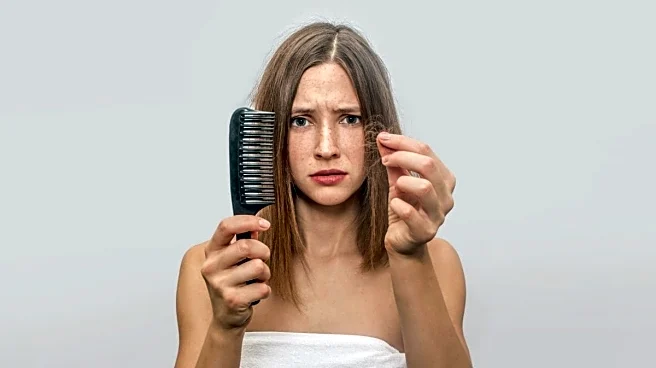
Hair changes are just as common. Dr. Pai points out that nearly 50% of women experience hair thinning during menopause, often beginning as early as their early 40s. Hair may become more brittle, thinner at the crown, or slower to grow. “In some cases,” she notes, “growth can even shift to unexpected areas, such as the chin.” While unsettling, these changes are also hormone-driven and manageable with the right approach.
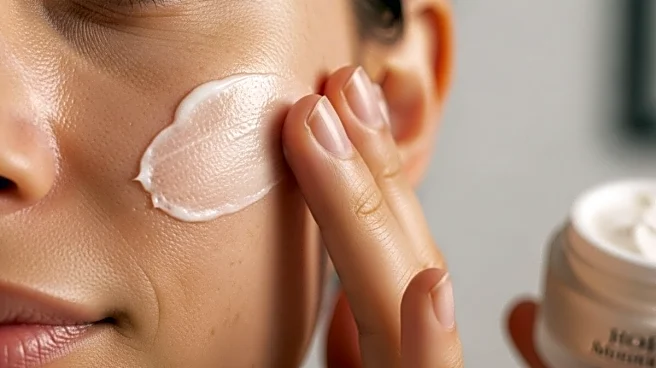
Navigating this phase thoughtfully, Dr. Pai emphasises, can make a significant difference. Skincare in the 50s must prioritise barrier repair and hydration. “Regular moisturising with ingredients like ceramides, peptides, and hyaluronic acid becomes essential,” she says. Retinoids can still play an important role in collagen renewal and skin brightness, but they should be introduced gradually, as post-menopausal skin is more prone to sensitivity.
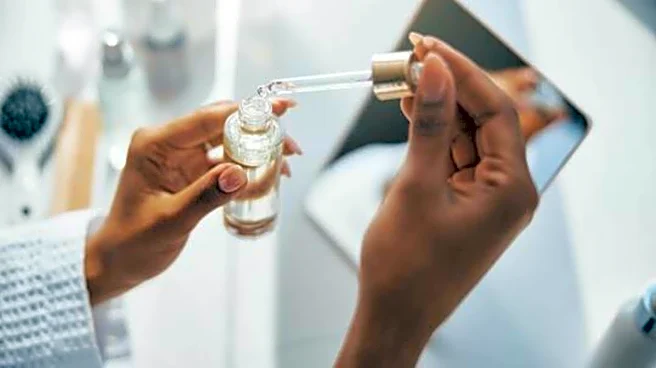
Equally important but often overlooked is scalp care. “Scalp health deserves as much attention as facial skincare,” explains Dr. Pai. Caffeine-based serums, gentle exfoliation, and monitoring internal markers such as ferritin, vitamin D, and thyroid function can support healthier hair growth. Nutrition also plays a foundational role; increasing protein and omega-3 intake helps nourish hair and skin from within.
For women seeking additional support, professional treatments can be both corrective and preventive. “Treatments like microneedling, collagen stimulators, and bio-remodelling injections aren’t merely cosmetic,” says Dr. Pai. “They help slow structural decline and support skin quality during this transition.”
Ultimately, menopause does not mean letting go of one’s appearance or identity. As Dr Pai puts it, “Menopause doesn’t mean giving up on looking like yourself. It simply means learning to work with your new normal.”
With informed choices, gentle consistency, and respect for the body’s changing needs, skincare in your 50s can be less about reversal and more about resilience, confidence, and care.
/images/ppid_a911dc6a-image-17709104325969952.webp)




/images/ppid_a911dc6a-image-177073963136583776.webp)