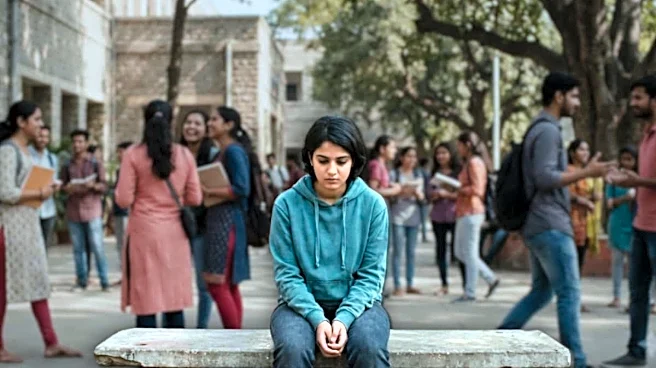




“There were people around me all the time. My parents were at home, I had friends I could call, and I was still going to college and meeting people. But when things got bad, I didn’t feel like I could tell anyone. I remember sitting in my room after another fight between my parents and thinking that nobody would really understand what was happening inside my head. I wasn’t looking for attention. I just wanted the noise in my head to stop.”
Ananya (name changed on request) was 17 when she survived a suicide attempt. Looking back, she doesn’t describe one single event that suddenly pushed her into a crisis. There had been weeks of feeling increasingly withdrawn, and family conflict that seemed impossible to escape. What exacerbated the issue was a growing
sense that there was nobody she could speak to without being judged or dismissed.
Is ‘Alone’ Always ‘Lonely’?
Suicide prevention is often discussed around the idea of being alone, but loneliness and social isolation are not the same thing. A person can have a family, a relationship, colleagues, friends and hundreds of social-media connections and still feel profoundly disconnected. On World Suicide Prevention Day, that is a conversation worth having. India, according to NCRB data, recorded 1,70,746 lives lost to suicide in 2024. The national rate is 12.2 per 1,00,000 people.
Dr Hemendra Singh, Consultant, Department of Psychiatry, Ramaiah Memorial Hospital, Bengaluru, says the emotional experience of being disconnected can become particularly concerning when it exists alongside psychological distress. “We tend to think of self-harm as something that happens in a single moment of overwhelming distress. But there is more to it which the absence of real connection often shapes how someone copes with that pain long before it peaks. When a person feels alone, unheard, or like there is no one to turn to, that pain gets harder to manage, and asking for help can start to feel pointless or out of reach.”
That does not mean loneliness by itself causes self-harm or suicide. But it can become an important factor when someone is already struggling.

You Can Be Surrounded By People And Still Be Lonely
One of the most important distinctions, says Dr Singh, is between social isolation and loneliness. “Isolation is about the facts, how much contact a person has with others. Loneliness is different; it is the feeling of being disconnected, of not having relationships that feel meaningful, regardless of how many people are around.”
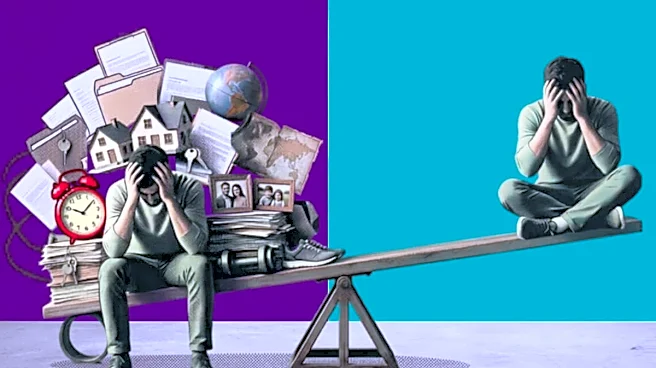
That is why someone may sit at a dinner table with their family, spend eight hours a day surrounded by colleagues or regularly meet friends and still feel as though they have nobody to turn to. Ananya agrees with this distinction. “I don’t think anyone looking at me would have thought I was alone. I was going to class, talking to people, replying to messages. But I had stopped telling people what I was actually feeling. I thought everyone already had their own problems and I didn’t want to become another problem for anyone.” That withdrawal can be difficult for families to spot because it does not always look like complete isolation.
Someone may still show up at work. They may continue meeting friends. They may answer messages and appear perfectly functional. What changes is what they are able—or willing—to share.
When Loneliness Comes With Other Changes
Dr Singh says the concern is not simply that someone has become quieter or spends more time alone. “The question is not really whether someone has withdrawn socially. It is whether that withdrawal comes with changes in mood, behaviour, or how well they are functioning day to day.”
A few signs worth paying attention to:
• Pulling away increasingly from family, friends, coworkers or society
• Noticeable changes in sleep, mood, or daily routine
• Losing interest in things they used to enjoy
• Talking about feeling hopeless, worthless, or like a burden
• Giving away possessions or saying goodbye in a way that feels off
• Bringing up death, or saying there is no reason to keep going or no sense of purpose in life
• Expressing feelings of being trapped with no way out
For Ananya, the final crisis came after another conflict at home. “It wasn’t really about that one fight. I think the fight was just the moment when everything I had been holding in became too much. I remember thinking, ‘Where am I supposed to go with all of this?’ I didn’t know how to explain what I was feeling, and I didn’t think anyone would understand.”
A family argument, breakup, academic setback, workplace problem or financial crisis may be the event people remember afterwards. But such events do not necessarily explain the full psychological distress that preceded a crisis.
Dr Singh says prevention needs to begin earlier. “Waiting until someone hits an acute crisis point is too late to start thinking about prevention. Catching the early warning signs like ongoing loneliness, withdrawal, hopelessness, depression, anxiety, a drop in how someone is functioning, gives us a real window to step in and help.”
Does Asking About Suicide Make It Worse?
One of the biggest misconceptions around suicide prevention is that asking someone directly whether they are thinking about suicide might put the idea into their head. According to Dr Singh, that is not the case. “The World Health Organization says asking someone directly about suicide does not make them more likely to act on it. In fact, a direct, sensitive conversation often gives the person a chance to open about what they are going through and get the support they need.”
The point is not to interrogate someone or force them to talk. It is to create an opening. “If you’re noticing worrying changes, ask the person outright whether they are having thoughts of self-harm or suicide,” says Dr Singh.
“Do not dismiss what they are saying, offer quick reassurances that shut the conversation down, or criticise how they feel.” Sometimes, that may mean resisting the urge to immediately say things like “You have so much to be grateful for” or “Everyone goes through this”. The first task is to understand what the person is actually experiencing.
Ask. Listen. Connect.
The next step in any cycle is to seek professional help. “If there is suicidal intent, a plan, or persistent thoughts, do not try to manage it alone, get urgent help,” says Dr Singh. “If someone seems to be at immediate risk, do not leave them alone. Reach out for emergency or crisis support right away.”
Social connection can be protective, but it should not be treated as a substitute for professional care when someone is in serious distress. Ananya says one of the things they remember most clearly is how different it felt when someone finally asked what was actually wrong. “I didn’t suddenly become okay. But somebody asking me what was happening, and actually waiting for an answer, made me realise that maybe I didn’t have to handle everything by myself. For a long time, I thought asking for help meant I had failed. I understand now that I was already struggling and I needed someone to help me carry it.”
Disclaimer: If you or someone you know needs help, call any of these helplines: Aasra (Mumbai) 022-27546669, Sneha (Chennai) 044-24640050, Sumaitri (Delhi) 011-23389090, Cooj (Goa) 0832- 2252525, Jeevan (Jamshedpur) 065-76453841, Pratheeksha (Kochi) 048-42448830, Maithri (Kochi) 0484-2540530, Roshni (Hyderabad) 040-66202000, Lifeline 033-64643267 (Kolkata)