
/images/ppid_a911dc6a-image-178032143051911148.webp)
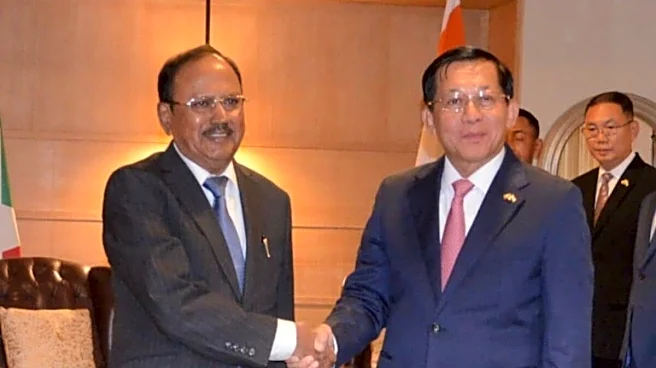
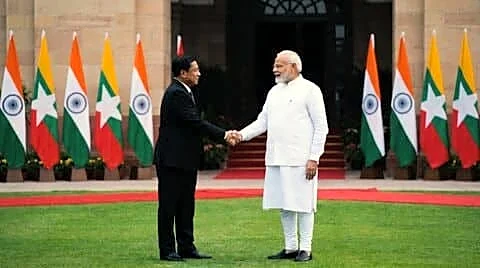
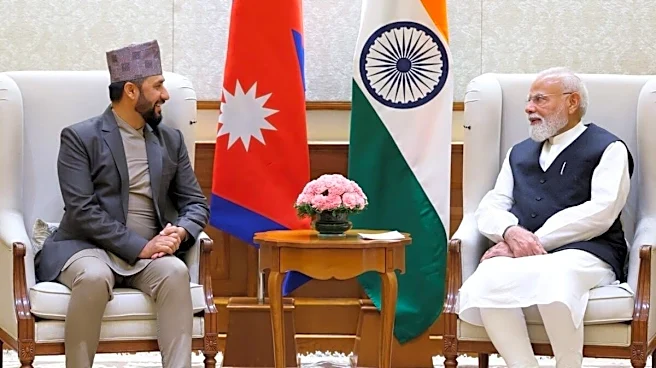
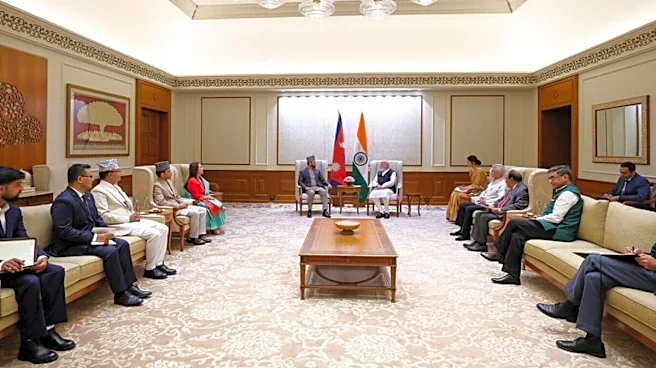
In a major diplomatic breakthrough that signals a profound structural reset in South Asian geopolitics, a high-stakes, two-hour meeting between Indian National Security Advisor (NSA) Ajit Doval and founding chairman of Nepal’s ruling Rastriya Swatantra Party (RSP) Rabi Lamichhane has steered bilateral relations into a transformative new era. Top government sources confirm that the extensive dialogue focused squarely on anchoring the future of Indo-Nepal ties within their deep-rooted social, cultural, and strategic alignment. During the positive deliberations, both sides formally reaffirmed the historic, civilisational relationship of Beti-Roti (kinship and livelihood) between the two nations, mutually agreeing that these organic, generational
bonds hold far greater permanence and importance than mere political boundaries.
Lamichhane explicitly committed that his side will systematically dismantle the past mistakes of politicising sensitive bilateral issues, promising to shield the natural Beti-Roti dynamic from unnecessary geopolitical manipulation. Emphasising that India and Nepal are natural partners rather than just geographical neighbours, the two leaders prioritised the strategic importance of maintaining open borders and facilitating deep social integration. A central focus of the discussion was the absolute de-politicisation of contentious border disputes and water-sharing agreements, with both sides agreeing that ensuring unhindered free movement is essential to bringing the bilateral trajectory completely back on track.
Responding to Kathmandu’s renewed diplomatic warmth, National Security Advisor Ajit Doval delivered an absolute assurance of India’s comprehensive backing. Doval emphasised that New Delhi stands firmly committed to supporting Nepal’s sovereign and developmental goals, particularly in safeguarding their shared cultural heritage and mutual strategic interests. This high-level Indian assurance underscores a mutual understanding that the security and stability of the Himalayan nation are directly intertwined with India’s macro-regional security architecture.
Expressing immense positivity for the future, Lamichhane assured robust and comprehensive cooperation across critical sectors, including counter-terrorism, border security, trade corridors, and cultural exchange frameworks. Moving forward, both nations are poised to work on a policy of mutual exclusivity, ensuring that regional security concerns are addressed collaboratively without third-party interference. By consciously choosing to take lessons from past diplomatic missteps, this landmark Doval-Lamichhane meeting effectively creates a resilient blueprint for a modernised, friction-free relationship capable of navigating contemporary geopolitical shifts.

/images/ppid_a911dc6a-image-178042547242791231.webp)