
/images/ppid_a911dc6a-image-177105609957469825.webp)
/images/ppid_a911dc6a-image-177105612798527845.webp)

In the fight against cancer, time is the most important factor. Despite significant progress in medical science, many cancers still remain undetected in their early stages, silently advancing until they reach an advanced stage. Today, India stands as the third most affected country by cancer in the world. According to the National Cancer Registry Programme (NCRP), 1 in 9 people in India is likely to develop cancer in their lifetime. The major cause of this disturbing trend is not only the lack of access to treatment but also the stealthy nature of the disease itself.
Dr Unmesh Mukherjee, Consultant, Radiation Oncology, HCG ICS Khubchandani Cancer Centre, Colaba, shares what you need to know:
How Cancer Cells Remain Hidden in Plain Sight
The most
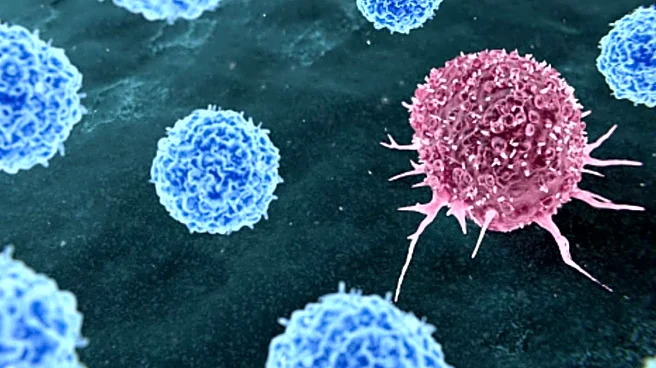
dangerous aspect of cancer is its ability to evade the body’s defence mechanisms. Cancer cells can secrete proteins that suppress the immune system, effectively sending a signal for it to “stand down.” Adding to this complexity, a single tumour often contains multiple types of cells. A routine biopsy may fail to capture the most aggressive ones, resulting in misleading reassurance and delayed treatment.
When a Disease Is Hidden by Location
The location of some cancers within the body makes diagnosis more difficult. Cancers of the kidney, ovary, and pancreas are situated deep within the abdomen and can grow to a significant size before causing any pain. When symptoms do occur, they are often nonspecific and easily attributed to other causes bloating to indigestion, fatigue to stress, and a cough to allergies.
India’s Main Problem: Tobacco, Stigma, and Late Diagnosis
India faces a serious challenge in the form of a widespread tobacco epidemic. The country accounts for nearly one-third of the world’s oral cancer cases, yet early signs such as painless mouth ulcers or white patches are commonly overlooked. As a result, nearly two-thirds of cancer cases in India are diagnosed at Stage III or IV.
Lack of health literacy, stigma, fear of diagnosis, and cost are major reasons for late detection. While breast cancer is the most common cancer among urban women, cervical cancer continues to silently claim lives in rural India. Additionally, colon and lung cancers are rising among young urban Indians.
Technology Is Making the Invisible Visible
Technology is rapidly transforming the cancer detection landscape. Liquid biopsies can now detect DNA fragments associated with more than 50 types of cancer, sometimes even before symptoms appear. Indian Institutes of Technology (IITs) and healthcare innovators are working on low-cost screening tools designed specifically for rural areas. Artificial Intelligence is also enhancing diagnostic accuracy by identifying minute patterns in medical images that may not be visible to the human eye.
Government programmes such as the National Programme for Prevention and Control of Cancer are also helping improve access to screening and early care.
What You Should Watch Out For
Oral Cancer: White or red patches, or ulcers that do not heal within two weeks
Breast Cancer: Monthly self-examinations (after age 20) and annual mammograms (after age 45)
Cervical Cancer: Pap smears every three years (between ages 21 and 65) or HPV testing
General Warning Signs: Unexplained weight loss (more than 5 kg), persistent weakness, or new painless lumps
Do not wait for pain. In cancer care, silence is rarely golden, early action can be life-saving.
/images/ppid_a911dc6a-image-177105882330714950.webp)












/images/ppid_59c68470-image-177105753591587522.webp)
