
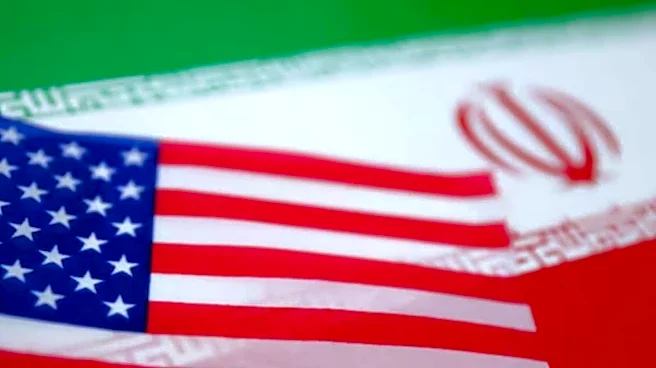
The ceasefire between Iran and the United States has done more than just pause a war; it has reopened the Strait of Hormuz, triggering a sharp shift in global oil markets. For India, one of the world’s biggest energy importers, that shift could mean relief, but not immediately, and not completely.
First Impact: Oil Prices Already Falling
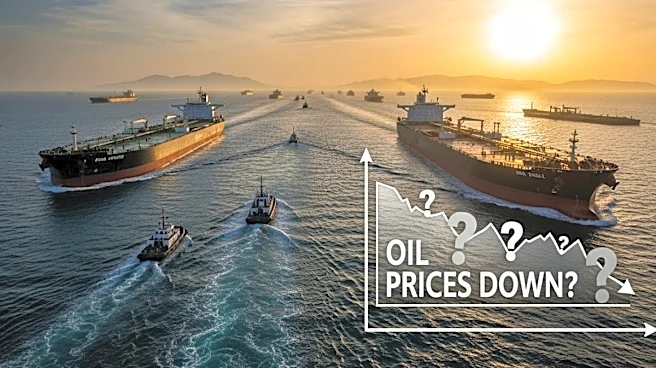
The biggest and fastest effect of Hormuz reopening is visible in crude prices. According to Reuters, Brent crude has fallen sharply by around 13-14 per cent after the ceasefire. Prices dropped below $100 per barrel, reversing war-time spikes. Markets too reacted quickly as fears of supply disruption eased.
During the conflict, the near-closure of Hormuz had pushed oil toward crisis levels, triggering panic buying and extreme price volatility at one time.
With the reopening of the strait, the immediate shock is removed.
Why This Matters For India
India is especially vulnerable because around 20 per cent of global oil flows through Hormuz. According to Al Jazeera, a significant share of India’s crude imports passes through this route even as Asia, including India, remains the largest buyer of Gulf oil exports.
ALSO READ | ‘Why Shouldn’t We?’: Trump Says US Should Impose Tolls On Strait Of Hormuz Instead Of Iran
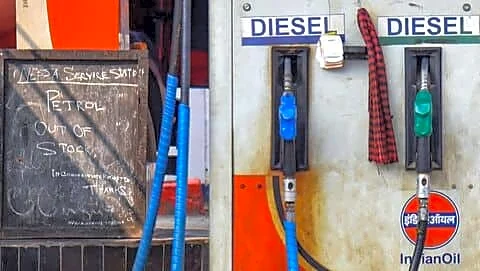
When Hormuz was disrupted, fuel shortages and price spikes hit India and LPG and fuel costs surged sharply. The government even had to cut fuel taxes to cushion the blow. In that context, reopening the strait directly reduces India’s supply risk.
Reality Check
Unfortunately for India, the development does not mean immediate change in prices. This is because crude prices fall first and then pump prices follow.
According to Reuters, even with oil dropping, oil companies buy crude in advance and retail prices adjust gradually. Taxes and currency (rupee-dollar) also play a role in this pricing arrangement.
In fact, experts warn that fuel prices could remain elevated for months, even after Hormuz reopens fully, because supply chains take time to normalise.
The Hidden Benefit
Lower oil prices don’t just affect petrol and diesel. They also reduce transport costs, ease food inflation, and strengthen the rupee.
ALSO READ | Can The World Bypass Strait Of Hormuz With Nukes? Here’s Why The Wild Idea Keeps Coming Back
In fact, after the ceasefire, Reuters reported that the Indian rupee strengthened and market volatility dropped significantly. For many, this is a bigger economic win than just cheaper fuel.
But Limited Relief
Despite reopening of the strait, risks remain. Axios reported that oil supply may take time to fully recover, given that tankers are still cautious about returning and insurance and shipping costs remain high.
Also, a “risk premium” stays built into oil prices as long as tensions persist. So prices may stabilise and not crash.
India’s fuel prices will now depend on three things: Whether the ceasefire holds, how smoothly shipping resumes through Hormuz, and how global oil supply recovers in the coming weeks. Any fresh escalation could quickly reverse the gains.
Put simply, India has moved out of crisis mode but the road to cheaper fuel is gradual, and still uncertain.
/images/ppid_a911dc6a-image-177552963554321784.webp)

/images/ppid_59c68470-image-177554015273370575.webp)

/images/ppid_a911dc6a-image-177563623418111594.webp)
/images/ppid_a911dc6a-image-177547247010740457.webp)

/images/ppid_59c68470-image-177562003184413140.webp)
/images/ppid_59c68470-image-177553511649529006.webp)