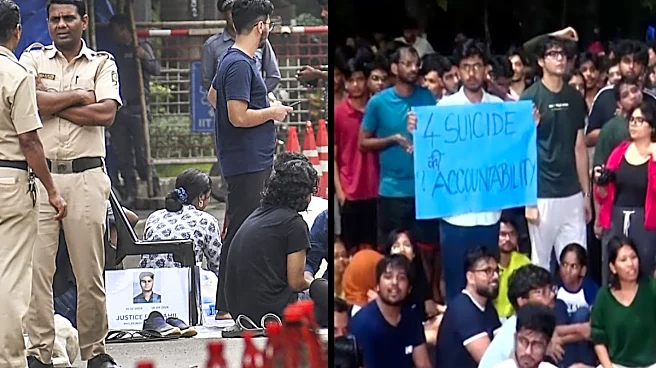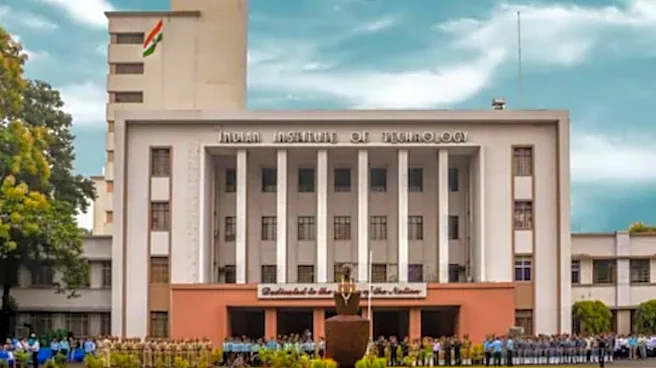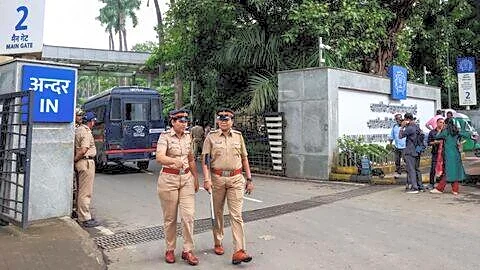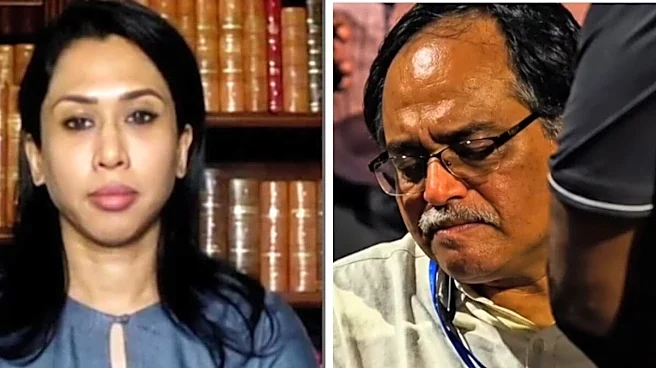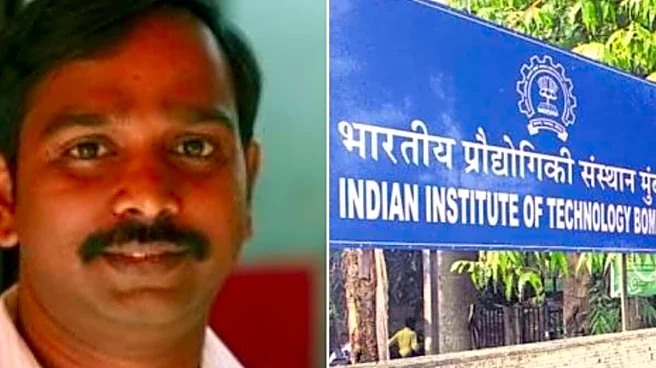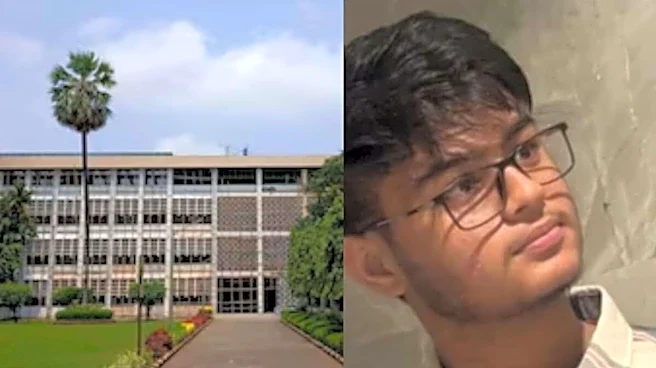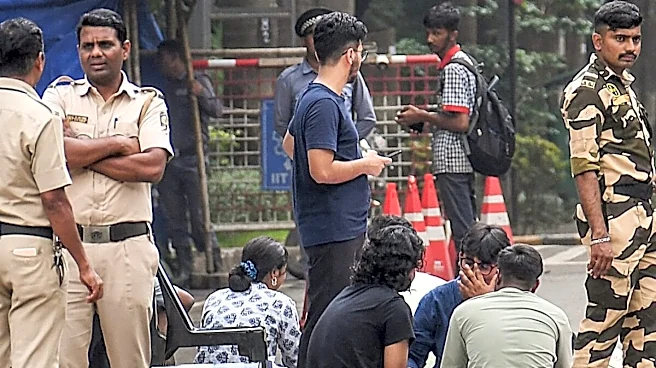




The agreement between IIT Bombay’s administration and protesting students could have implications beyond the immediate controversy on the Powai campus. The 18-point charter signed by Director Professor Shireesh Kedare goes beyond demands linked to one student’s death: it seeks changes in disciplinary procedures, faculty conduct, mental-health support, student representation, grievance redressal and institutional accountability.
That makes the development significant not only for the ongoing IIT Bombay case, but also for the way premier engineering institutions could approach similar situations in the future.
The changes below are potential institutional after-effects, rather than reforms already adopted across the IIT system.
1. Disciplinary Action
Could Come With A Stronger Safeguarding Layer
One of the clearest issues thrown up by the IIT Bombay episode is how academic misconduct is handled when a student is already under significant pressure.
IIT Bombay’s rules provide for penalties for unauthorised possession or use of electronic devices during examinations, including a one-semester academic suspension in specified circumstances. The framework also provides for appeals on grounds including procedural error, new evidence, bias or discrimination.
The 18-point charter now seeks changes to the Disciplinary Action Committee process and greater scrutiny of how such cases are handled.
If these demands translate into institutional changes, one possible after-effect could be greater separation between detecting academic misconduct and assessing a student’s welfare needs.
In practice, that could mean clearer protocols for counselling, communication with students and escalation to mental-health professionals alongside disciplinary procedures.
The important distinction would remain – safeguarding a student’s wellbeing would not necessarily mean removing academic-integrity rules. Instead, the focus could shift towards ensuring that disciplinary processes have an accompanying welfare protocol.
2. Faculty-Student Interactions Could Face Greater Scrutiny
The charter seeks a code of conduct for professors and mental-health sensitisation for faculty and staff. Students have also demanded mechanisms to examine complaints against professors, with clearer procedures and timelines.
This could create pressure for IITs to look more closely at how disciplinary conversations take place, particularly when faculty members confront students over academic misconduct.
The IIT Bombay case has produced sharply different accounts. The institute has said the student was counselled and assured that the examination incident would not adversely affect his academic career.
The Faculty Forum has defended Professor Suryanarayana Doolla, saying he followed the institute’s prescribed procedure after detecting alleged academic malpractice.
The student’s family, meanwhile, has made allegations of harassment and caste-based discrimination, which IIT Bombay has denied. The matter is under investigation.
Against that backdrop, written protocols governing faculty communication, documentation and escalation could become more important.
3. Mental Health Could Move From Counselling To Early-Warning Systems
The charter’s mental-health demands are broader than simply asking for more counselling.
Students have proposed a task force involving students, faculty members, mental-health professionals and external experts to examine student distress and recommend preventive measures. They have also sought improvements to counselling and medical services, including a 24-hour psychiatrist-on-call facility.
This could push IIT campuses towards a more preventive model, which could identify academic, social or disciplinary stress earlier instead of relying primarily on students approaching counselling services themselves.
An Indian Express analysis published after the incident similarly raised the question of whether existing student-welfare measures are reaching students early enough, arguing for greater attention to early identification of distress.
4. Students Could Get A Bigger Role In Institutional Decisions
The IIT Bombay charter asks for greater student representation in academic and non-academic committees dealing with student matters, including voting rights and equal representation in certain committees.
If implemented, this would represent a shift in how student grievances are incorporated into institutional decision-making.
The significance lies in the fact that the charter is not limited to asking administrators to investigate an individual incident. Students are asking for a formal role in shaping the systems that govern them.
That could influence future debates at IIT campuses over disciplinary committees, grievance mechanisms, welfare policies and mental-health initiatives. It would also create a question for administrations: how much student participation should be built into processes that traditionally remain largely faculty- or administration-driven?
5. Crisis Communication Could Become A Bigger Institutional Issue
The episode has also highlighted the risks involved in how an institute communicates publicly after a student’s death.
IIT Bombay has now apologised for statements in its earlier communication concerning the circumstances surrounding the student’s death, acknowledging that commenting on those details before an official investigation was inappropriate.
That could have a wider impact on institutional crisis communication.
In cases involving student deaths, academic misconduct or allegations against faculty members, institutions may face greater pressure to distinguish between verified facts, allegations and information that remains under investigation.
The IIT Bombay charter’s demand for an apology over what students described as the public “defamation” of the deceased student adds another dimension: students are demanding not only action, but also accountability over how information about them is publicly presented.
The immediate outcome at IIT Bombay is the agreement to take forward the 18-point charter. However, the longer-term significance will depend on implementation.
The demands include an independent investigation, time-bound reports, mental-health reforms, faculty sensitisation, changes to disciplinary procedures, greater student participation and written implementation updates.
The charter also seeks accountability if specified reforms are not implemented within the stipulated period.
There are already signs that the conversation around academic pressure is extending beyond IIT Bombay.
IIT Kharagpur Director Suman Chakraborty addressed students ahead of examinations and told them that an exam or grade should not define their identity or future, while urging students facing overwhelming circumstances to seek help.
That does not establish a system-wide policy change across the IITs. However, it does show how the IIT Bombay episode is feeding into a broader conversation about academic pressure, student welfare and institutional responsibility.
The real test now will be whether the 18-point agreement produces measurable changes on the ground, and whether other IITs independently examine their own disciplinary, grievance-redressal and mental-health systems before a similar crisis forces the question.