
/images/ppid_59c68470-image-178033753061768544.webp)
/images/ppid_59c68470-image-178031503130133945.webp)
/images/ppid_59c68470-image-178027002737863022.webp)
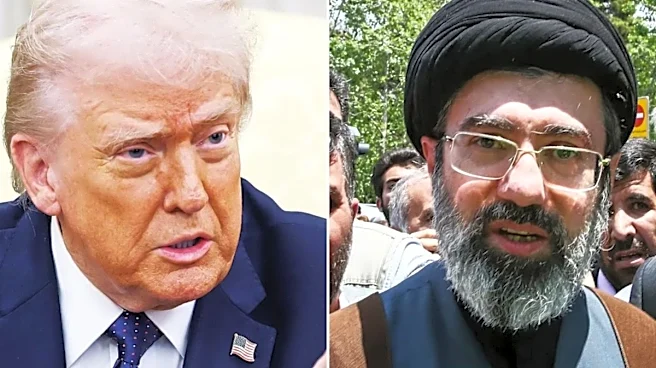
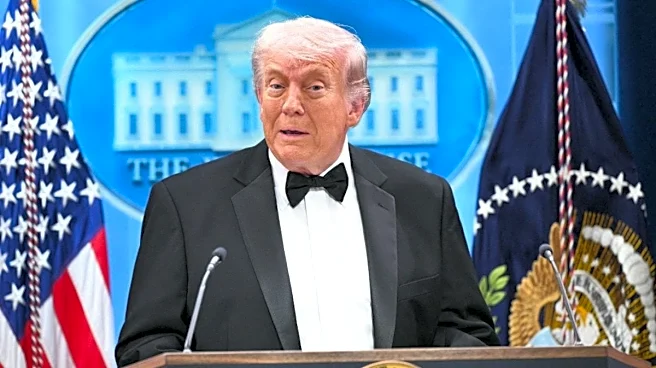
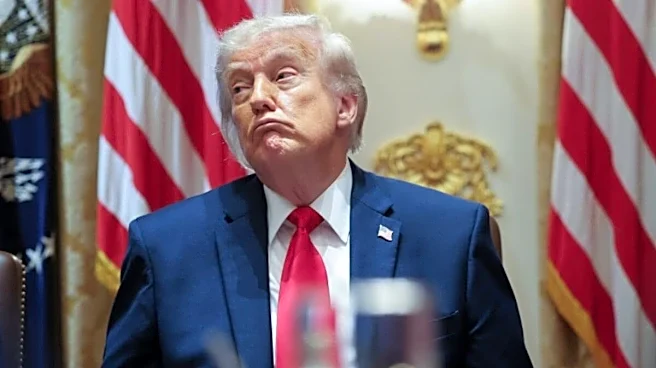
US President Donald Trump on Wednesday expressed optimism that negotiations with Iran could produce a breakthrough “over the weekend”, even as Tehran insisted that no meaningful progress had been made in talks aimed at ending the conflict in West Asia.
Speaking to reporters at the White House, Trump said discussions with Iran were proceeding positively despite renewed hostilities in the region.
“I hear the negotiation itself is going very well actually,” Trump said. “It could happen … over the weekend.”
Trump also sought to separate negotiations over the conflict in Lebanon from broader talks between Washington and Tehran. While the United States views the two tracks as distinct, Iran has repeatedly argued that developments in Lebanon are directly
linked to any wider regional settlement.
“I’d like to separate it, I’d like to have a separate thing, because it is separate,” Trump said.
Playing down the latest exchanges of fire, the US president remarked that “in that part of the world, a ceasefire is when you’re shooting in a more moderate manner.”
However, Iran offered a far less optimistic assessment of the negotiations.
Iranian Foreign Minister Abbas Araghchi said communication channels with Washington remain open and messages continue to be exchanged, but stressed that there has been no “tangible” progress in the talks.
“Communications with the Americans have not been cut off, and messages have been exchanged regarding the need to stop aggression against Beirut, but no tangible progress has been made in the negotiation process,” Araghchi told Lebanon’s Al Mayadeen TV, according to Iran’s Tasnim news agency.
Araghchi also warned that any Israeli strike on Beirut would dramatically escalate the conflict.
“Any attack on Beirut will have grave consequences and will lead to a full-scale resumption of the war,” he said. “Our armed forces are ready to strike Israel if it attacks Beirut.”
The contrasting statements come as fresh US and Iranian military actions test the durability of the April 8 ceasefire that halted more than a month of fighting triggered by the US-Israeli bombing campaign against Iran. While the truce has largely held, sporadic exchanges of fire and escalating tensions involving Hezbollah and Israel continue to threaten broader regional stability.
/images/ppid_59c68470-image-178038509833021515.webp)

/images/ppid_59c68470-image-178049253638238043.webp)
/images/ppid_59c68470-image-178045005738361518.webp)
/images/ppid_59c68470-image-178036258877715081.webp)
/images/ppid_59c68470-image-17804725310618727.webp)
/images/ppid_59c68470-image-178047008562467905.webp)
/images/ppid_59c68470-image-178036505956828902.webp)