
/images/ppid_59c68470-image-177066254410022291.webp)
/images/ppid_59c68470-image-177066256867843432.webp)
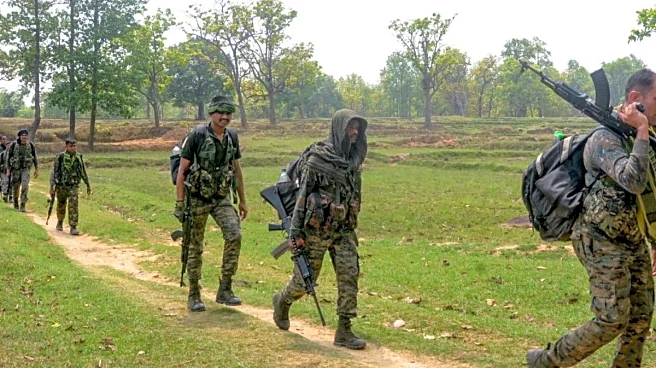
India’s fight against Left Wing Extremism (LWE) has entered its final phase, with the elimination of key Naxal leader and Central Committee member Ganesh Uikey, and 2025 witnessing the highest number of surrenders alongside a sharp rise in security operations, according to data from the Ministry of Home Affairs (MHA).
Official figures show that between 2014 and 1 December 2025, security forces killed 1,841 LWE cadres, arrested 16,336 and facilitated the surrender of 9,588 extremists across affected states. The data highlight a sustained weakening of LWE networks over the past decade.
The year 2025 has emerged as a turning point, with 2,167 surrenders recorded so far, the highest for any single year in the period under review. During the same year,
335 LWE cadres were neutralised, also the highest annual figure, indicating intensified and targeted counter-insurgency operations.
The Big Picture: 2014–2025
Between 2014 and 1 December 2025, security forces recorded a total of 27,765 outcomes against LWE cadres across the country. Of these, 1,841 extremists were killed, 16,336 were arrested, and 9,588 surrendered.
What Was The Daily Average?
Spread across nearly 4,380 days, the figures translate into a daily average of:
- One LWE cadre killed every three days, and
- Almost four arrests and two surrenders per day.
In effect, authorities neutralised or disengaged an average of six LWE cadres every day for more than a decade, mostly through arrests and voluntary surrenders rather than lethal force.
Peak Years Of Violence
The data show that the most violent years were 2016 and 2018, when fatalities crossed the 220 mark each year.
In 2016, 222 extremists were killed, while 1,840 were arrested and 1,442 surrendered, making it one of the most operationally intensive years of the decade.
2018 followed a similar pattern, with 225 killed and 1,933 arrests, the highest in the dataset.
These peaks coincided with large-scale offensives in core LWE-affected districts of Chhattisgarh, Jharkhand, Odisha, Maharashtra and parts of Telangana, supported by expanded deployment of central armed police forces and improved intelligence coordination.
The Surrender Story
While killings declined, surrenders emerged as a key trend. From 440 surrenders in 2019, the number rose to 736 in 2021.
Even in years of lower operational activity, surrender figures remained substantial, underlining the impact of state rehabilitation policies offering financial assistance, skill training and legal relief to former cadres. Officials say this reflects growing disillusionment within LWE ranks and improved confidence in state institutions at the grassroots.
A Sharp Turn In 2024–25
The trajectory shifted again in the last two years. In 2024, 290 LWE cadres were killed — the highest annual figure since 2018 — alongside 1,090 arrests and 881 surrenders.
2025, even as a partial year, stands out dramatically with 335 killed and an unprecedented 2,167 surrenders, the highest surrender figure in the entire dataset.
The spike is attributed to focused operations against remaining armed formations and renewed surrender drives in Bastar and adjoining regions. Officials caution that 2025 figures are provisional but say they point to a decisive phase in the campaign.
Decapitation Of The LWE Leadership
The decisive phase of the counter-LWE effort came with the elimination of the organisation’s top leadership. Senior commanders including Basavaraju and Madvi Hidma, followed most recently by the killing of Central Committee member Ganesh Uikey on 25 December, dealt a crippling blow to the movement’s command structure.
Security officials say these operations have effectively severed the organisational backbone of the LWE network, leaving it without strategic direction or operational cohesion. With its top leadership neutralised, the movement is now fragmented, struggling to coordinate armed actions or retain cadres.
According to assessments, only one senior leader — Devuji — remains at large. Officials indicate that sustained intelligence-led operations are underway to track him down, a development that could mark the final closure of the LWE chapter in India and relegate Naxalism to history.


/images/ppid_a911dc6a-image-17706710327643865.webp)


/images/ppid_a911dc6a-image-177066753285030524.webp)
/images/ppid_a911dc6a-image-177066761775063970.webp)
/images/ppid_a911dc6a-image-177066757083136960.webp)

/images/ppid_a911dc6a-image-177066504785467952.webp)