

Prime Minister Narendra Modi’s recent ‘Nation First’ appeal asking citizens to reduce fuel consumption, avoid unnecessary gold purchases, use public transport where possible, work from home, and support local products has triggered conversations beyond politics and austerity.
The appeal reflects a larger behavioural shift visible across urban India, one where consumers are becoming more cautious and mindful about how they spend, travel, eat and live.
Years ago, India’s economic story was tied to aspirational consumption; bigger cars, international travel, luxury spending and rapid urban lifestyles became symbols of middle-class success. But post-pandemic financial uncertainty, rising living costs, climate anxieties and changing work cultures are
slowly reshaping that mindset.
The shift is not necessarily about spending less. It is increasingly about spending more carefully.
The Rise Of Mindful Spending In Urban India
The urban middle class is navigating a very different economic reality compared to a decade ago. Housing costs in major cities have surged, fuel prices remain volatile, healthcare expenses continue to rise and job markets are becoming more uncertain amid automation and global slowdowns. At the same time, social media-driven consumer culture has intensified pressure to constantly upgrade lifestyles.
Thus, many urban consumers are becoming more practical with money. Recent consumer studies show younger Indians are increasingly prioritising savings, emergency funds and financial stability over impulse purchases.
According to the Fin One – Young Indians’ Saving Habits Outlook 2024, compiled in collaboration with Nielsen and reported in November 2024, 93% of young Indian adults (particularly in the 22-25 age group) identify as regular savers, often setting aside 20-30% of their monthly income.
According to a 2025 Deloitte Global Consumer Tracker, Indian consumers remain highly cautious about discretionary spending despite continued economic growth.
“Indian consumers are entering a phase of calibrated consumption. They are becoming more mature and resilient, balancing aspiration with financial discipline and intentional decision-making,” Deloitte South Asia, Partner and Consumer Industry Leader, Anand Ramanathan said.
The post-pandemic period has particularly accelerated this behavioural reset. During COVID-19 lockdowns, many households experienced a slowdown in spending, travel and lifestyle consumption. That phase appears to have permanently altered financial habits for a section of urban consumers.
Consumers are becoming more deliberate about where they spend, focusing on “affordable indulgences” and “wellness upgrades” rather than solely big-ticket luxury items, according to a Capegemini report published in January 2026.
Minimalism, value shopping, second-hand marketplaces and “buy less but better” thinking are becoming more visible among younger professionals in cities like Delhi, Bengaluru, Mumbai and Pune.
“Consumers in India are increasingly mindful and rational with regard to how they spend their money. Increased cost of living, uncertainty in the world, and financial education have led consumers to concentrate on savings, essential purchases, and long-term financial security. Also, there is increased awareness to support Indian-owned businesses over spending on needless luxury items,” said Kanishk Agrawal, Chief Technology Officer Judge Group, India.
How Everyday Lifestyle Choices Affect Long-Term Economic Goals
Conscious consumption is no longer limited to environmental activism or wellness trends. It is increasingly tied to larger economic questions.
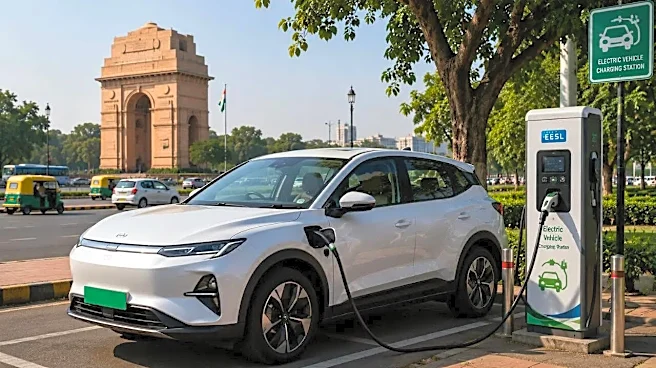
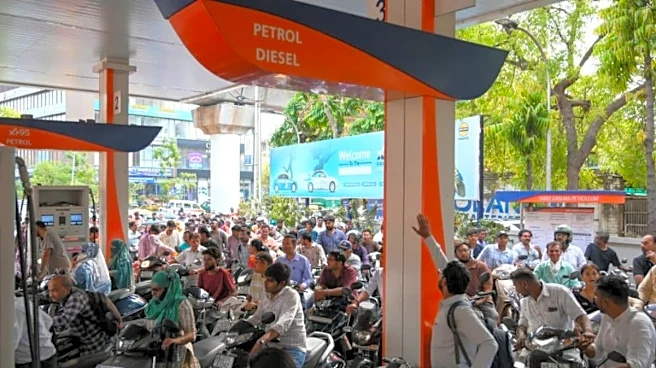
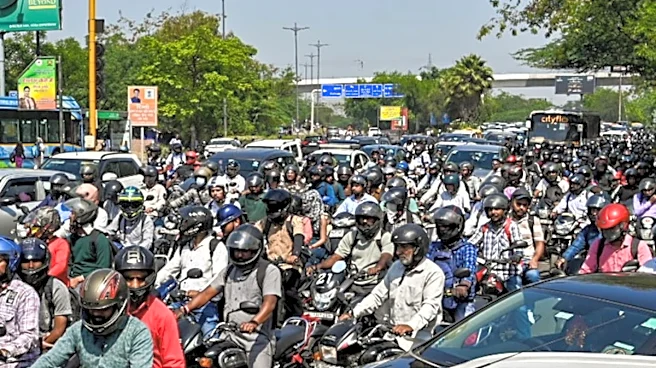
India imports more than 85% of its crude oil requirements, making fuel consumption directly linked to national import bills and energy security. Small behavioural shifts, such as increased public transport usage, carpooling, hybrid work models and reduced unnecessary travel, can collectively influence urban congestion, fuel demand and pollution levels.
The work-from-home and hybrid work culture that expanded after the pandemic has already demonstrated this impact. Fewer office commutes have helped many urban professionals reduce monthly fuel expenses while also improving work-life flexibility.
“Hybrid work has created a new dynamic between the way people work and their jobs. For most companies, reduced travel times have equated to increased well-being due to decreased stress levels and more free time. I have seen how productivity increases when employees have control over their time. Furthermore, hybrid work has forced companies to think about collaboration and inclusiveness differently. Nevertheless, balance is essential, and without it, employees could be at risk of becoming always available, resulting in burnout in the future,” said Sonica Aron, Founder & Managing Partner, Marching Sheep — a global HR consulting firm.
According to Alekhya Datta, director, electricity and renewables division at Delhi-based think tank The Energy and Resources Institute (TERI), hybrid work can support India’s fuel conservation goals, especially in large urban centres.
“Hybrid work can support India’s fuel conservation and energy security objectives by reducing congestion-intensive daily commuting in major metropolitan regions, particularly among private vehicle users in the services and IT sectors,” Datta said, as quoted by Business Standard.
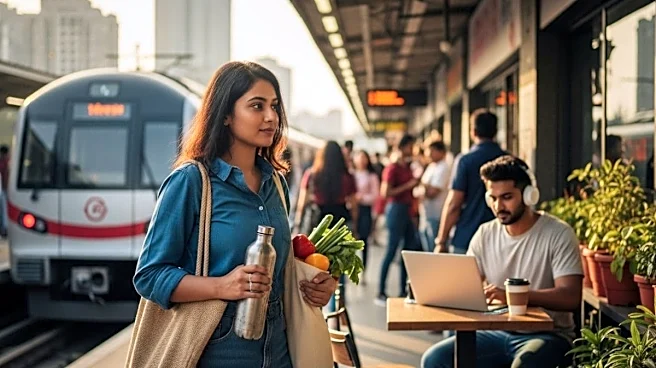
Public transport adoption is also gradually rising in several metros due to expanding metro rail networks and rising private vehicle costs. Delhi Metro alone records nearly 70 lakh passenger journeys daily, while Benglauru’s Namma Bharat serves nearly 10 lakh commuters, reflecting how mass transit is increasingly becoming both an economic and practical choice for urban residents.
“Everyday individual lifestyle choices made by consumers can add up to create a large economic impact. For example, if large numbers of people choose to take advantage of using public transportation, limit their consumption to what they actually need, and support local businesses, this would lead to a more efficient use of resources and contribute to an increase in domestic demand. Also, the aforementioned habits support sustainable economic practices by reducing the reliance on imported products while also reducing the pressure on available energy resources and infrastructure,” said Venkat Lakshminarasimha, Executive Director and Head of Solutions for India & Middle East, Dexian — a global staffing, IT, and workforce solutions provider.
Similarly, the push towards supporting local products intersects with India’s broader economic goals around manufacturing, MSME growth and reducing import dependence.
The rise of “local-first” consumer behaviour is visible across food, fashion, skincare, electronics accessories and even wellness brands. Nearly 56% of consumers prefer home-grown products.
Several homegrown D2C brands have gained popularity in recent years as consumers increasingly associate local products with affordability, authenticity and convenience. Around 30% of fashion decisions now influenced by brand story rather than celebrity endorsement.
Sustainability Is Becoming More Practical Than Aspirational
Sustainable living was seen as an elite urban conversation linked to premium organic products or niche environmental activism. But that perception is now changing.
Sustainability is increasingly being driven not just by environmental awareness, but by affordability and practicality.
Home cooking has seen a strong resurgence after the pandemic, partly due to health concerns and because of rising restaurant costs. As of 2026, there is a strong focus on “gut health”, with home cooking integrating more fibre-rich ingredients, probiotics, and plant-based options to improve digestion and long-term well-being.
Fitness-conscious lifestyles are also becoming more mainstream as urban Indians grow increasingly aware of preventive healthcare and lifestyle diseases.
Many younger consumers are now making small but noticeable lifestyle adjustments — carrying reusable bottles, reducing excessive online shopping, choosing local travel experiences, using thrift platforms and becoming more conscious about waste generation.
Tourism industry reports indicate growing interest in shorter, slower and experience-based travel rather than expensive luxury itineraries. The popularity of homestays, eco-tourism and local experiences reflects this shift. Instead of visiting multiple cities in one trip, travellers are spending more time in a single location to experience it fully. Slow travel is often linked with lower carbon emission travel patterns and eco-friendly choices. This trend is particularly popular among younger travellers, including Gen Z, who are seeking more authentic and less stressful experiences.
In fashion and retail too, value-driven consumption is gaining momentum. Discount-led commerce, resale platforms and budget-conscious shopping patterns continue to grow strongly among urban millennials and Gen Z consumers.
Why This Generation Is Both Aspirational And Anxious
Part of this behavioural transition is also psychological. Urban India today faces constant exposure to financial uncertainty — from layoffs in global technology companies to rising EMIs and healthcare costs. This has created a generation that is simultaneously aspirational and anxious.
The result is a new form of cautious consumerism. People still want convenience, comfort and quality of life, but increasingly without the aggressive excess that defined pre-pandemic urban consumption culture.
Health and wellness spending offers one example of this shift. Consumers are spending more on preventive healthcare, fitness subscriptions and healthier food habits not merely as lifestyle trends, but as long-term financial decisions aimed at avoiding larger medical expenses later.
Similarly, remote work and hybrid schedules have changed how many professionals think about commuting, housing and even social life. Several employees now prioritise flexibility and lower-stress lifestyles over purely status-driven urban routines.
Can Conscious Consumption Support India’s Long-Term Goals?
India’s long-term economic ambitions depend not just on infrastructure growth and policy reforms, but also on how sustainably its growing middle class consumes resources.
“Conscious consumption will be a key part of India’s long-term growth story. When consumers make conscious, informed and sustainable choices, it improves local industry production, increases efficiencies in resource allocation, and builds economic resilience within India. Additionally, conscious consumption supports sustainable environmental practices and creates a more balanced economy. The continued growth in consumer awareness and behaviour will allow consumers to play a key role in supporting the economic successes of India, as well as advancing India’s goals of self-reliance, innovation and developing a more inclusive economic system,” explained Lakshminarasimha.
This does not mean India is abandoning consumption-led growth. Consumer spending remains one of the country’s biggest economic drivers. But the nature of consumption itself may gradually be changing.
The emerging urban consumer is increasingly trying to balance aspiration with affordability, convenience with sustainability, and lifestyle choices with financial resilience.






/images/ppid_a911dc6a-image-177867046160543099.webp)


/images/ppid_a911dc6a-image-177853008490398154.webp)