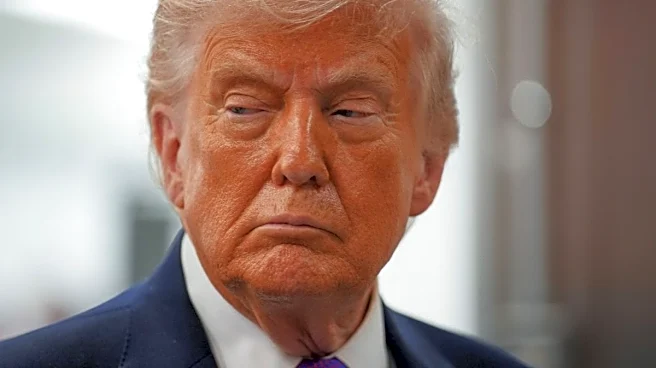




In a strategic move that has sent shockwaves through the NATO alliance, the United States Department of Defence has announced plans to withdraw approximately 5,000 troops from Germany. This decision comes amid a deteriorating diplomatic relationship between US President Donald Trump and German Chancellor Friedrich Merz, primarily fuelled by a sharp disagreement over the escalating conflict with Iran. The reduction in personnel marks one of the most significant shifts in the trans-Atlantic security architecture in recent years, potentially altering the balance of power within Europe at a time of heightened global instability.
A widening rift over West Asian strategy
The core of the dispute lies in Germany’s refusal to provide direct military support or logistical facilitation for American
operations in the ongoing war with Iran. Chancellor Merz has consistently advocated for a diplomatic “European-led” resolution, fearing that a protracted conflict will destabilise energy markets and trigger a fresh wave of migration towards the continent. Conversely, President Trump has characterised Berlin’s stance as a “betrayal of alliance obligations”, suggesting that the US can no longer justify maintaining a massive permanent presence in a country that does not align with its core security objectives.
The 5,000 troops slated for withdrawal are expected to be redistributed to other European partners, such as Poland and the Baltic states, or returned to the United States. Pentagon officials have framed the move as a “realignment of forces” to meet modern threats, but the political undertones are unmistakable. By thinning the ranks in Germany, the Trump administration appears to be using military posture as a tool of diplomatic leverage to pressure Berlin into a more hawkish stance.
Implications for NATO and regional security
This troop withdrawal raises fundamental questions about the future of NATO and the reliability of the American security umbrella. Military analysts suggest that the reduction in personnel at key bases like Ramstein and Grafenwoehr could hamper the logistical speed of rapid-reaction forces. For Germany, the move is a public rebuke that forces the Merz government to reconsider its own defence spending and regional leadership role.
As the US redirects its focus and resources towards the Iranian front and the Indo-Pacific, the “German spat” serves as a stark reminder of the shifting priorities in Washington. The international community is now watching closely to see if other European nations will follow Germany’s lead in strategic autonomy or if the threat of troop withdrawals will successfully consolidate the alliance behind the American military agenda. For now, the bond that defined post-war Europe appears more fragile than ever.




/images/ppid_a911dc6a-image-177768859513980710.webp)

/images/ppid_a911dc6a-image-17776885613996970.webp)
/images/ppid_a911dc6a-image-177768767233347886.webp)
/images/ppid_a911dc6a-image-177768763677116827.webp)


/images/ppid_a911dc6a-image-177768243609466764.webp)