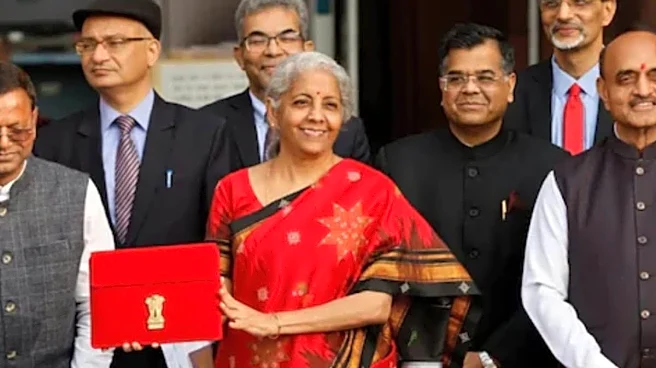

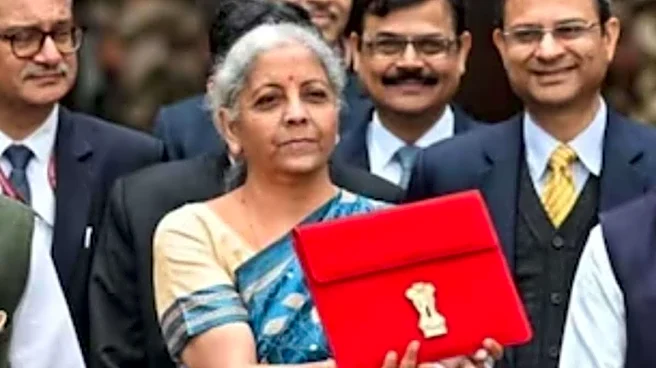

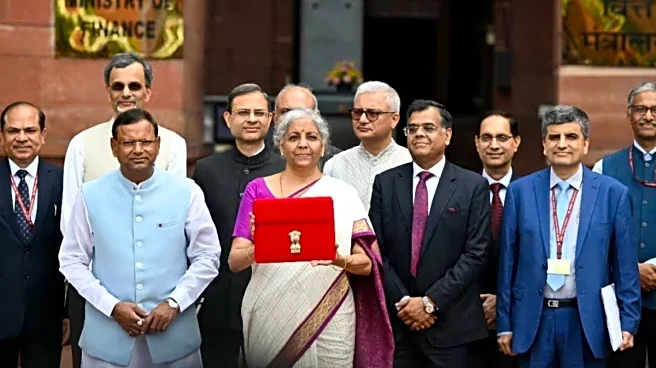
Finance Minister Nirmala Sitharaman is presenting her record ninth Union Budget on Sunday, and as usual majority of the focus is expected to be on any announcements and policy changes with respect to income tax slabs and rates. But once the budget speech is over, focus shifts to other minute policy points that may have been overshadowed during the speech by big-ticket announcements.
So how do you catch-up on these details? For this very reason, important documents are released by the Finance Ministry and the Press Information Bureau (PIB) after each budget presentation.
While the FM’s speech offers a big-picture narrative and highlights priorities, these supporting papers contain the substance of fiscal policy — detailed numbers, legal text, underlying
assumptions and the strategy behind allocations. They are essential for anyone looking to interpret what the Budget means in practice for governance, markets, public services and economic policy.
Here’s a breakdown of the documents you should track and read once the budget speech is over:
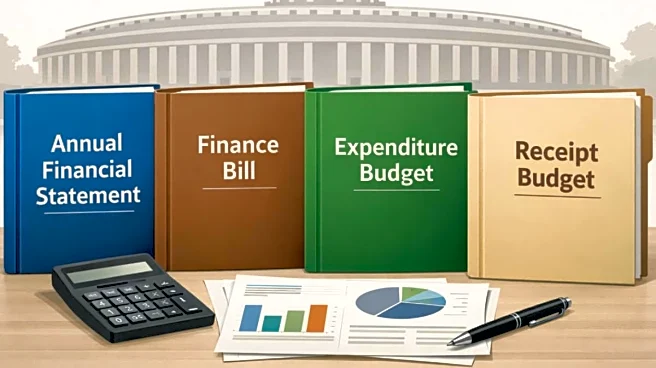
Annual Financial Statement (AFS)
This is the core constitutional Budget document under Article 112 of the Constitution. It shows total estimated receipts and expenditures for the upcoming year, alongside revised figures for the current year and actuals from the past year. Key figures include fiscal and revenue deficits, revenue vs capital spending, and fund allocations.
Demands for Grants
Part of Article 113 of the Constitution, this document breaks down the Union government’s planned spending ministry by ministry. It includes both revenue and capital allocations, and highlights any new programmes or services proposed.
Finance Bill
The Finance Bill comes under Article 110 of the Constitution and gives legal force to any tax changes announced in the Budget speech. Here you can go through proposed adjustments to income tax, corporate tax, indirect taxes, new levies, exemptions and compliance updates.
FRBM Statements
The Fiscal Responsibility and Budget Management statements, mandated under the FRBM Act, outline macroeconomic assumptions (growth, inflation) and medium-term fiscal goals, including debt and deficit targets. These go beyond the single budget year.
Expenditure Budget
This consolidates government spending on schemes and programmes, and is useful for analysing how allocations in the speech translate into actual spending plans, including transfers to states and UTs.
Receipt Budget
The Receipt Budget provides a detailed look at revenue sources — direct and indirect taxes, non-tax revenues like dividends and interest, disinvestment, and public borrowings.
Expenditure Profile
This document offers an aggregated view of government spending after adjustments. It helps analysts identify sectoral priorities, changes in allocations and trends compared with earlier estimates.
Budget at a Glance
This concise summary presents key budget numbers like deficits, tax collections and overall spending, helping readers quickly grasp the fiscal stance of the government.
Memorandum Explaining the Finance Bill
This narrative document explains why certain tax proposals were made and their expected impact on taxpayers and businesses.
Output-Outcome Monitoring Framework
This document links government spending to measurable results, with targets and performance indicators for major schemes.
Where To Access These Budget Documents?
All Budget papers will be uploaded on the Union Budget section of the Finance Ministry website and the India Budget website soon after Nirmala Sitharaman’s Union Budget speech.
/images/ppid_a911dc6a-image-176987722904636028.webp)



/images/ppid_59c68470-image-176990756384573457.webp)

/images/ppid_59c68470-image-176978503297895880.webp)