


India is set to significantly boost its air power with a major defence deal with Israel, even as it continues to push for self-reliance in arms production. According to official and defence sources, India is preparing to sign an agreement worth around $8.7 billion (Rs 78,217 crore) for advanced missiles, precision-guided bombs and related systems to strengthen the Indian Air Force (IAF).
The proposal, cleared by the Defence Acquisition Council (DAC) chaired by Defence Minister Rajnath Singh, comes amid heightened security concerns along both the western and eastern borders. China has deployed advanced air defence systems along the Line of Actual Control (LAC), while Pakistan has reportedly used GPS-jamming technologies during recent military
operations, including Operation Sindoor in May 2025.
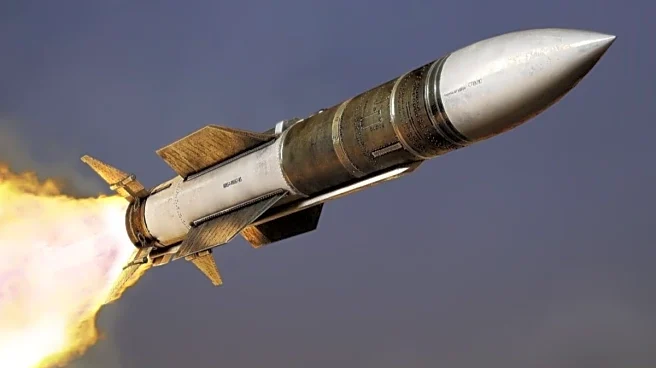
The planned package from Israel includes SPICE-1000 precision-guided bombs, Rampage air-to-surface missiles, Air LORA air-launched ballistic missiles and the Ice Breaker missile system, along with air-to-air missiles, loitering munitions, modern radars, simulators and network-centric command systems. Once inducted, frontline fighter aircraft such as the Su-30MKI and MiG-29K are expected to see a substantial increase in deep-strike capability.
Rampage missiles, already in service with the IAF and the Navy, can be launched from platforms including the Su-30MKI, MiG-29, Jaguar and MiG-29K. Weighing about 570 kg and equipped with GPS/INS guidance and anti-jamming features, the missile is designed to strike hardened targets such as airbases, bunkers and logistics hubs from stand-off ranges. Defence sources say its effectiveness was demonstrated during strikes carried out in Operation Sindoor.
Air LORA, an air-launched version of the Long Range Artillery (LORA) missile, is capable of hitting targets at distances of 400-430 km with high accuracy. Weighing around 1,600 kg and travelling at hypersonic speeds of up to Mach 5, it is intended for destroying enemy missile sites, air defence installations and strategic bases. The missile is already being produced in India through a collaboration between Bharat Electronics Limited (BEL) and Israeli partners.
The Ice Breaker missile, developed by Rafael Advanced Defense Systems, is designed for operations in heavily contested electronic warfare environments. With a range of up to 300 km and a weight of under 400 kg, it uses artificial intelligence, autonomous target recognition and sensors that can operate even in GPS-denied conditions. Its low radar signature and terrain-hugging flight profile are meant to help it evade advanced air defences.
A key element of the deal is the agreed transfer of technology by the end of 2025. Under this arrangement, BEL and Hindustan Aeronautics Limited (HAL) will manufacture Air LORA and Ice Breaker missiles in India, with HAL responsible for aircraft integration and BEL handling electronics and guidance systems. The Defence Research and Development Organisation (DRDO) will also be involved, aligning the programme with the government’s ‘Aatmanirbhar Bharat’ push.
Between 2020 and 2024, India accounted for nearly 34% of Israel’s total defence exports, making it Israel’s largest arms buyer. Officials say the new agreement, which is part of a broader aerospace modernisation plan estimated at $20 billion, is likely to go before the Cabinet Committee on Security by mid-2026.





/images/ppid_a911dc6a-image-177106302538573741.webp)