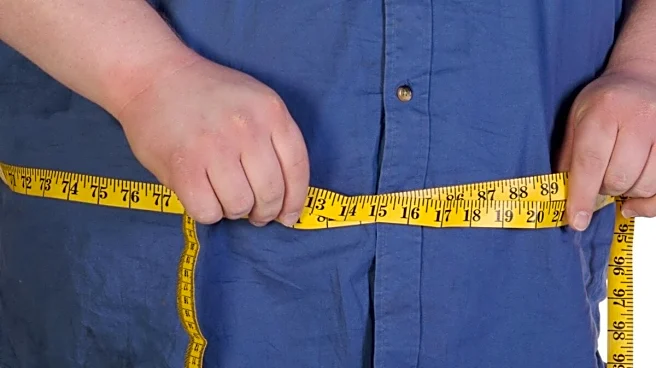




Few things feel more frustrating than putting in the effort at the gym, sticking to a workout routine, and still not seeing the number on the scale drop. Many people assume that exercising harder or longer is the key to weight loss, but the reality is often more complicated. Weight loss is influenced by several factors beyond the calories burned during a workout.
According to fitness coach and Founder of Slow Burn Method, Raj Ganpath, people who struggle to lose weight despite exercising regularly are often overlooking a few important factors.
1. You’re Not In A Consistent Calorie Deficit
One of the most common reasons for stalled weight loss is not maintaining a cumulative calorie deficit over time.
Many people remember the days when they ate healthy
meals, completed their workouts, and stayed disciplined. However, they often overlook the occasional indulgences, larger portions, skipped walks, or inactive days that can quickly offset the calorie deficit created earlier in the week.
Ganpath points out that research has consistently shown that most people underestimate how much they eat. While the average person may underestimate their calorie intake by 20-30%, those struggling with obesity may underestimate it by 30-50% or even more.
As a result, someone may believe they are eating less than they actually are, making weight loss far slower than expected.
2. Healthy Eating Does Not Always Mean Weight Loss
Many people assume that if a food is healthy, they can eat as much of it as they like. However, nutritious foods can still be calorie-dense. Ganpath explains that while food quality is important for overall health, quantity matters too when it comes to weight loss.
Nuts, nut butters, dried fruits, smoothies, granola, and even healthy homemade meals can contribute significant calories if portions are not monitored.
While protein-rich foods and vegetables can improve satiety and make portion control easier, weight loss still requires consuming an appropriate amount of food overall.
3. Your Basal Metabolic Rate May Be Lower Than Expected
Basal Metabolic Rate (BMR) refers to the amount of energy your body burns at rest. A lower-than-expected BMR can make it difficult to create a meaningful calorie deficit, even if you’re exercising regularly. Several factors can contribute to a reduced BMR, including:
- Chronic under-eating
- Poor sleep quality
- Insufficient strength training
- Hormonal changes during perimenopause
- Conditions such as PCOS and thyroid dysfunction
In such cases, Ganpath says the solution is not to keep cutting calories. Instead, the focus should be on improving the body’s ability to burn energy.
Regular strength training, staying physically active throughout the day, and prioritising adequate sleep can often be far more effective than aggressively restricting food intake. These habits help improve recovery, maintain muscle mass, and support a healthier metabolism.
Could A Medical Condition Be Affecting Your Weight Loss?
Dr Aishwarya Krishnamurthy, Senior Consultant – Endocrinology & Diabetes at Max Super Speciality Hospital, Vaishali, agrees with Ganpath’s observation that a slower metabolism can sometimes make weight loss more challenging.
She notes that while exercise and diet are important, factors such as stress, sleep quality, hormone balance, and recovery also play a significant role in determining how effectively the body burns fat.
According to Dr Krishnamurthy, chronically elevated stress levels can increase cortisol, a hormone linked to increased appetite and fat accumulation, particularly around the abdomen.
She further explains that some individuals may struggle to lose weight despite regular exercise because of underlying metabolic or hormonal conditions. These include:
- An underactive thyroid gland (hypothyroidism), which can slow metabolism
- Polycystic Ovary Syndrome (PCOS)
- Insulin resistance associated with prediabetes or metabolic syndrome
- Cushing’s syndrome
- Sleep disorders such as sleep apnea
“Exercise is just one part of the equation when it comes to losing weight,” says Dr Krishnamurthy. “Some individuals may experience slower-than-normal rates of weight loss despite exercising regularly due to metabolic or biochemical issues.”
If you are consistently following a healthy diet and exercise plan but seeing little progress, consulting a healthcare professional may help identify any underlying factors affecting your weight-loss journey.
/images/ppid_a911dc6a-image-178083643155125179.webp)

/images/ppid_a911dc6a-image-178090086713879993.webp)







/images/ppid_a911dc6a-image-178088123042173392.webp)