

/images/ppid_a911dc6a-image-177823242487786246.webp)
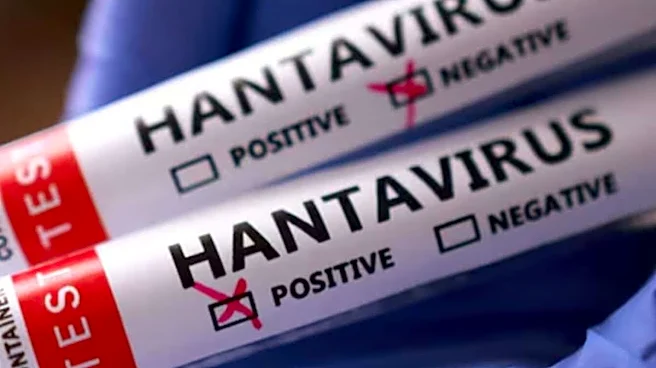
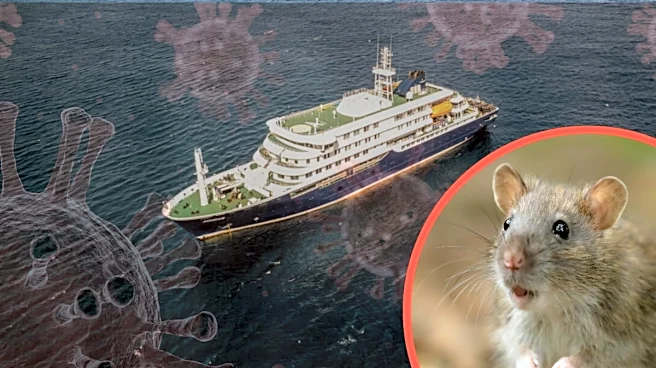
Amid concerns over reports that two Indian nationals aboard a cruise ship were infected with hantavirus, a senior Indian Council of Medical Research official said the cases appear to be isolated and there is “no immediate public health threat” to India.
Dr Naveen Kumar, Director of the ICMR’s National Institute of Virology (NIV), said there is currently no evidence of community spread linked to the reported infections.
“The reported hantavirus cases appear to be isolated ones and there is no immediate public health threat to India,” he told PTI.
What Is Hantavirus? Hantaviruses are primarily spread to humans through contact with infected rodents or their saliva, urine and faeces. According to Naveen Kumar, people usually contract the infection
after inhaling virus particles from rodent droppings or urine in enclosed or poorly ventilated areas such as warehouses, ships, barns and storage facilities. Public health experts say the infection can initially resemble flu, dengue or severe respiratory illness, making early diagnosis difficult in some cases.
Read more: US May Restart ‘Project Freedom’ In Strait Of Hormuz After Saudi, Kuwait Ease Restrictions: Report
Does Hantavirus Spread Like COVID-19?
Naveen Kumar stressed that hantavirus is very different from COVID-19 and does not spread easily between people.
“Human-to-human transmission is extremely uncommon. Most hantaviruses, especially those reported in Asia and Europe, do not spread between humans,” he explained.
He added that limited person-to-person transmission has only been documented in some South American strains such as the Andes virus. World Health Organization Director-General Tedros Adhanom Ghebreyesus also described the public health risk as “low” while addressing the reported cruise ship cases.
“While this is a serious incident, WHO assesses the public health risk as low,” Tedros said.
However, he cautioned that more cases could emerge because of the virus’s incubation period.
What Symptoms Should People Watch Out For?
According to Naveen Kumar, symptoms generally appear one to five weeks after exposure.
Common early warning signs include sudden fever, severe body ache, headache, fatigue, chills, nausea and vomiting, abdominal pain and dry cough.
“In severe cases, patients may develop breathing difficulty, low blood pressure, or kidney involvement with reduced urine output,” he added.
Is India Prepared?
The NIV director said India has sufficient laboratory capacity to detect suspected hantavirus infections if required.
“India has diagnostic capacity for hantavirus infection through the ICMR-National Institute of Virology and the nationwide Viral Research and Diagnostic Laboratory Network of 165 labs,” Naveen Kumar said. He added that RT-PCR testing facilities are available for confirming suspected cases.
Who Should Be More Careful?
Naveen Kumar advised people working or travelling in rodent-prone environments- including ships, warehouses, storage areas and poorly ventilated spaces- to maintain hygiene and avoid exposure to rodent-infested locations. He also warned that environmental changes could increase the long-term risk of rodent-borne diseases globally, including in India.
“Climate change, flooding, unplanned urbanisation, poor waste management and increased human encroachment into rodent habitats can raise the risk of rodent-borne infections,” he said.


/images/ppid_a911dc6a-image-177843642497078468.webp)

/images/ppid_59c68470-image-177838005932973474.webp)

/images/ppid_59c68470-image-177842003299568320.webp)

/images/ppid_a911dc6a-image-177823803080054474.webp)
/images/ppid_a911dc6a-image-177821003249367978.webp)
/images/ppid_59c68470-image-177820512189361916.webp)