
/images/ppid_59c68470-image-177077254356197860.webp)
/images/ppid_a911dc6a-image-177078207758873160.webp)

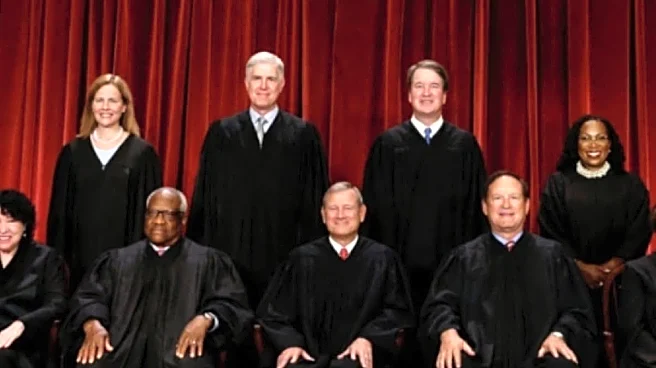
The US Supreme Court on Tuesday did not issue a ruling in a legal challenge to the Trump administration’s use of emergency powers to impose sweeping global tariffs, leaving the issue unresolved for now.
The case centres on whether US President Donald Trump exceeded his authority under the International Emergency Economic Powers Act (IEEPA) by invoking national emergency powers to levy country-specific import tariffs. The challenge has been brought by importers who argue that the tariffs were imposed without clear congressional authorisation.
At stake is not only the legality of the tariffs but also whether companies that paid them would be entitled to refunds if the measures are eventually struck down. The tariffs have affected a wide range of imports
and have been a key feature of Trump’s trade policy.
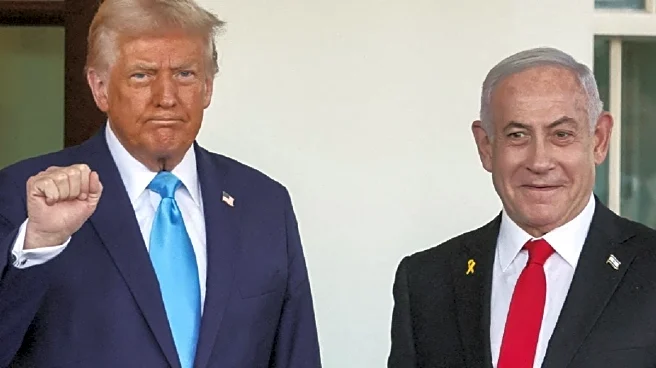
The Trump administration has signalled confidence that it will prevail in the case. Treasury Secretary Scott Bessent said on Sunday it was “very unlikely” that the US Supreme Court would overturn President Donald Trump’s use of emergency powers to impose tariffs, with a ruling expected as early as this week.
Administration officials have also said that even if the court rules against them, new tariffs would be imposed immediately. President Trump has meanwhile threatened a fresh round of tariffs on European partners, linking the issue to US demands for greater control over Greenland.
The Trump administration has also said it has a replacement tariff plan ready in case the International Emergency Economic Powers Act tariffs are ruled illegal.
In a note to clients on Tuesday, TD Cowen, a US-based investment bank and research firm, said that if the Supreme Court strikes down the IEEPA tariffs, the administration is expected to move quickly to replace them, potentially within 24 hours.
According to the note, accessed by CNBC, the White House could rely on other trade authorities to reimpose tariffs, including Section 122 and Section 301 of US trade law. The report also said the administration could invoke Section 338 of the Tariff Act of 1930, which allows the president to impose tariffs of up to 50 percent in response to discriminatory trade practices by foreign countries.
/images/ppid_a911dc6a-image-177096083331989693.webp)


/images/ppid_59c68470-image-177096004670917630.webp)

/images/ppid_59c68470-image-177099754306846588.webp)
/images/ppid_59c68470-image-177078754213636163.webp)
/images/ppid_59c68470-image-177078253208686535.webp)